






SRP RESEARCH PULSE
HUGE SALE ON FEATURED ITEMSKLOW 80mgGLOW 70mgHumanin 10mgFOXO4-DRI 10mgACE-031 1mgWolverine 20/20SS-31 10mg5-Amino-1MQ 50mgMOTS-c 40mgBPC-157/TB-500 10mg/10mgSelank 10mgNAD+ 500mgGHK-Cu 100mgRTZ-GLP 30mgTirzepatide 30mgEpithalon 10mgKisspeptin 10mg

Research Compound Library

Use this A–Z evidence index to identify what a compound is, the mechanism researchers are examining, and how mature the evidence is. It completes the directory entries that do not yet have a dedicated long-form SRP guide.

Search all 59 research listings

Filter the live catalog, open a dedicated guide or evidence profile, and keep product information separate from educational research.

59 listings


For laboratory research only. This page is educational and does not provide dosing, reconstitution, administration, diagnosis, or treatment instructions. Investigational compounds are not automatically safe or effective, and a research product is not equivalent to an approved medicine.

How we evaluate compounds

Evidence tiers reflect the strongest source type we located: established human biology, controlled clinical research, early human pharmacology, preclinical work, component-only evidence, or sparse evidence. We prioritize primary studies, trial records, regulatory documents, and PubMed-indexed literature. When a marketplace name is not chemically precise, we say so instead of guessing.

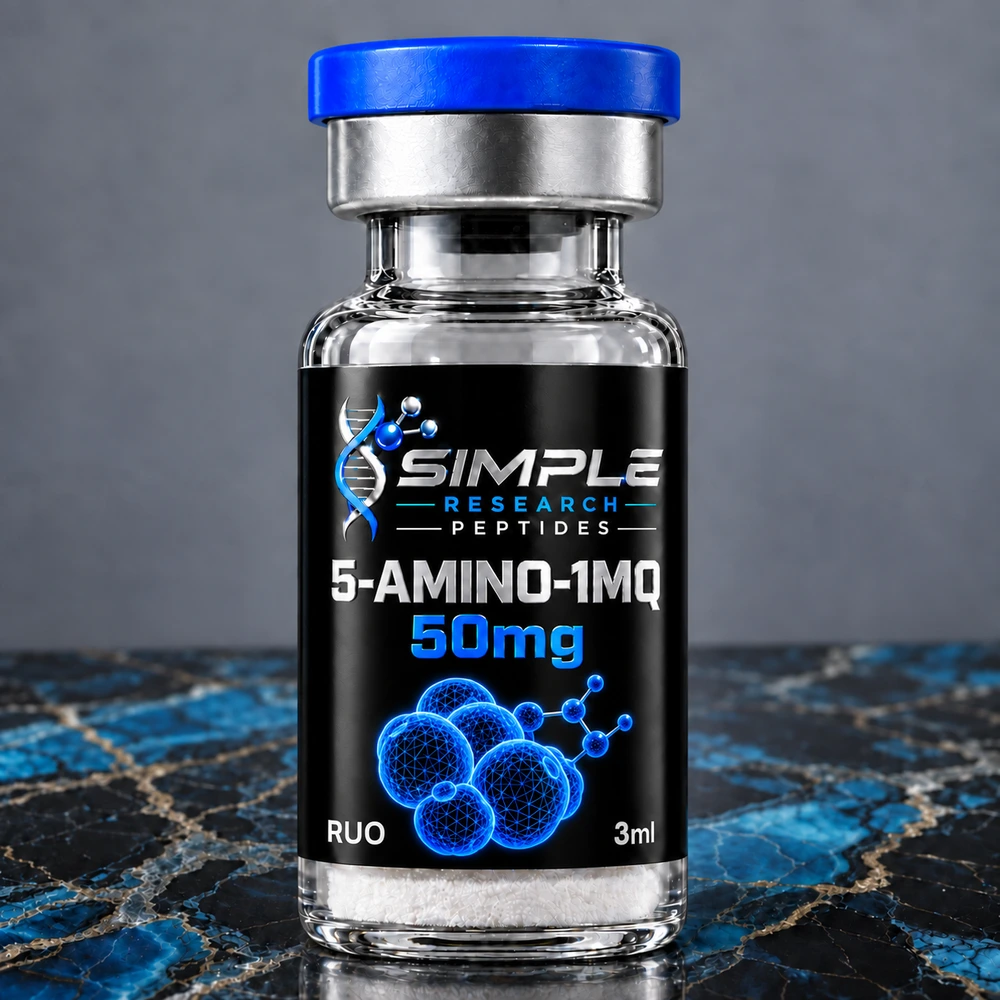
5-Amino-1MQ

Preclinical evidence

Metabolic research

Research overview

5-Amino-1MQ is a small-molecule inhibitor used to study nicotinamide N-methyltransferase (NNMT), an enzyme involved in nicotinamide metabolism and cellular methyl-donor balance.

Mechanism under study

In experimental models, NNMT inhibition changes methylation-related metabolism and has been associated with altered adipose energy expenditure. This is a laboratory mechanism, not proof of a human weight-loss effect.

Evidence summary

Published evidence is primarily cell and animal research. A commonly cited mouse study reported improved metabolic measures after NNMT inhibition, but robust human efficacy and long-term safety data are not established.

Research-quality note

Confirm chemical identity and analytical purity. Do not treat data on NNMT biology as interchangeable with clinical evidence for this specific research compound.

Primary NNMT-inhibitor study · PubMed search

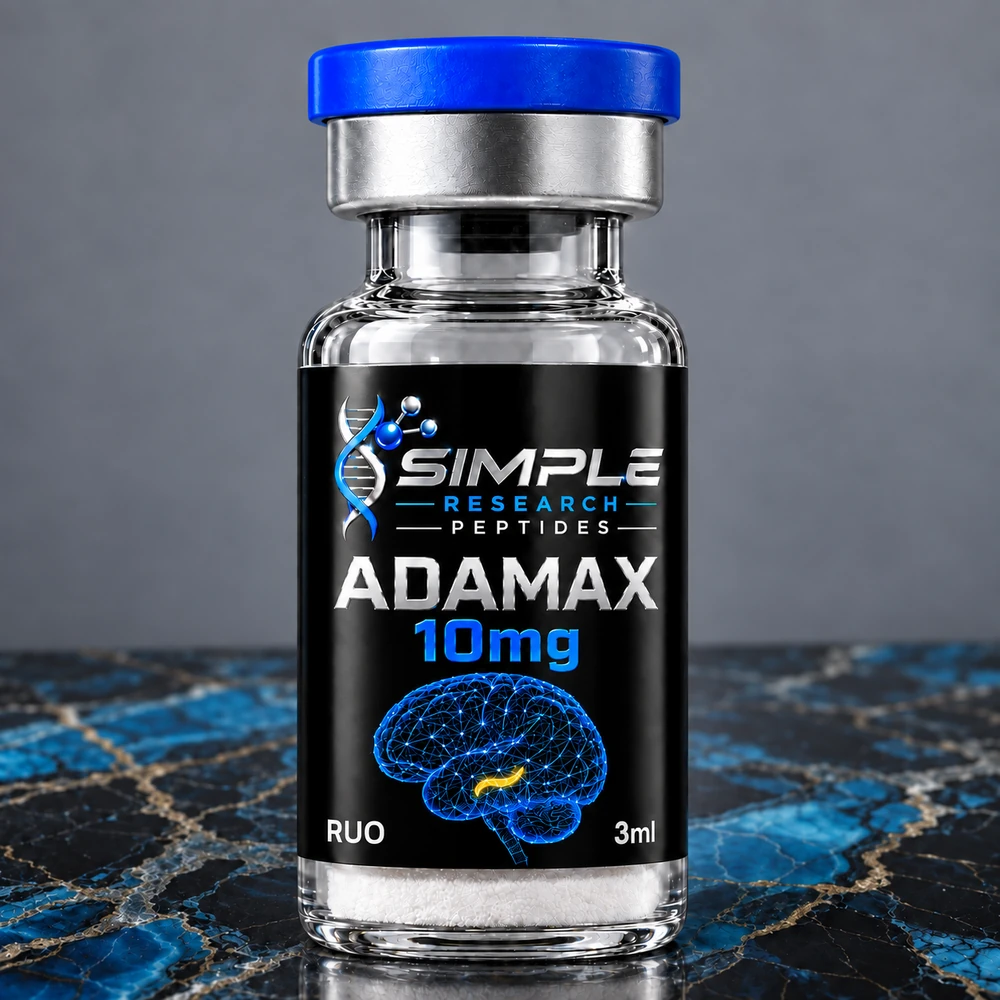
Adamax

Identity/evidence uncertain

Neuroscience research

Research overview

Adamax is a trade-style name encountered in the research marketplace, but the exact sequence or formulation is not consistently defined in peer-reviewed literature.

Mechanism under study

A defensible mechanism cannot be assigned until the compound identity, sequence, and formulation are documented. Claims attached to a name alone should not be treated as pharmacology.

Evidence summary

We did not identify a stable, well-characterized body of indexed human evidence under this name. Research interpretation should begin with the supplier’s sequence disclosure, certificate of analysis, and independent identity testing.

Research-quality note

This is an evidence-gap entry. Verify identity before comparing it with Semax, ACTH fragments, or other neuroactive peptides.

PubMed name search · NCBI protein and peptide resources

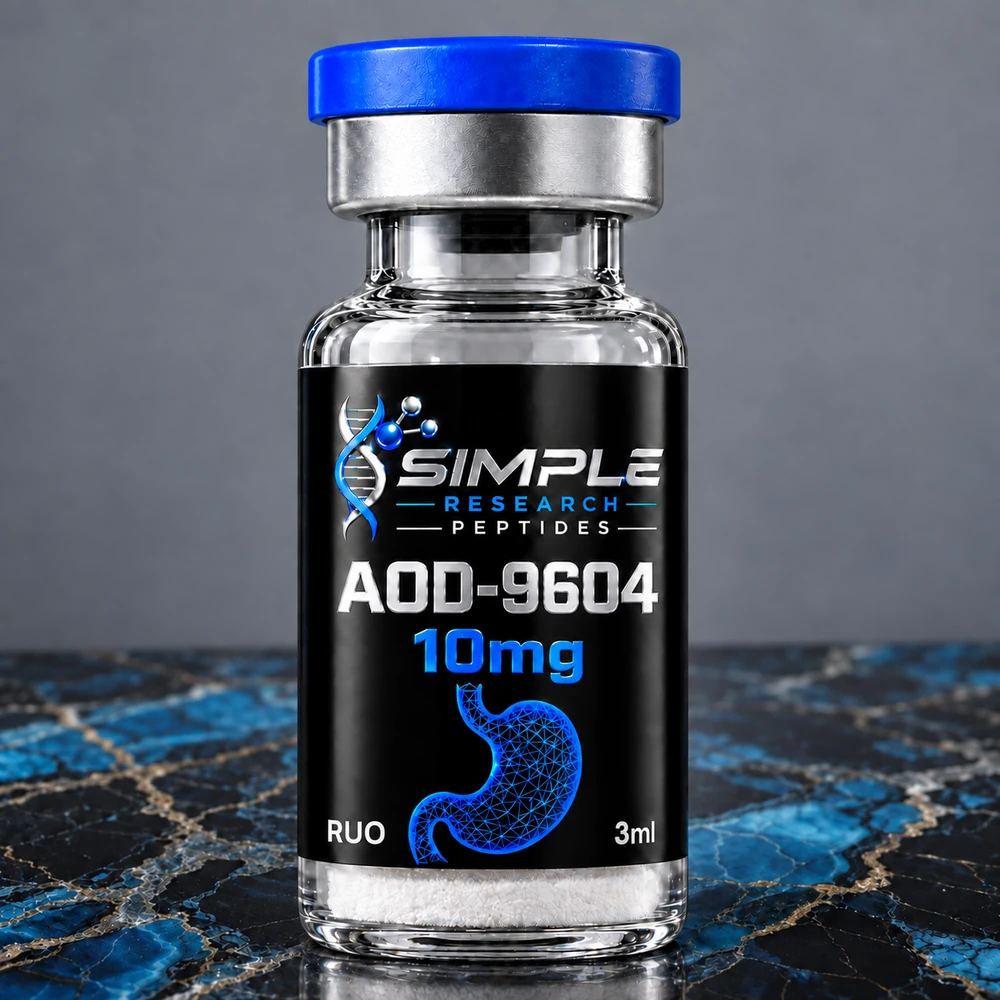
AOD-9604

Preclinical; limited clinical evidence

Metabolic research

Research overview

AOD-9604 is a modified fragment derived from the C-terminal region of human growth hormone. It was developed to investigate whether selected metabolic actions could be separated from the full hormone’s growth-promoting activity.

Mechanism under study

Preclinical studies evaluated lipolysis and fat-oxidation pathways without the full receptor profile of intact growth hormone. Fragment biology should not be generalized to recombinant growth hormone.

Evidence summary

Animal and laboratory studies exist, while clinical development has not established a broadly accepted therapeutic role. Human efficacy, optimal exposure, and long-term safety remain uncertain.

Research-quality note

Require sequence confirmation and purity testing. Findings from animal obesity models are hypothesis-generating only.

Preclinical study · Metabolic study

ARA-290 (Cibinetide)

Early human evidence

Neuroimmune research

Research overview

ARA-290, also called cibinetide, is an erythropoietin-derived peptide designed to engage tissue-protective signaling without stimulating red-blood-cell production like full erythropoietin.

Mechanism under study

It is studied as an agonist of an innate repair receptor complex implicated in inflammation resolution, tissue protection, and small-fiber nerve biology.

Evidence summary

Small clinical studies have explored neuropathy and related inflammatory conditions. These trials are informative but not sufficient to establish broad clinical effectiveness or a standard research protocol.

Research-quality note

Distinguish cibinetide studies from studies of erythropoietin itself. Verify sequence and formulation when evaluating research materials.

Pilot human study · Phase 2 study

Cagrilintide

Human clinical evidence; investigational

Metabolic research

Research overview

Cagrilintide is a long-acting amylin analogue investigated for appetite regulation and body-weight management, including in combination research with GLP-1–based agents.

Mechanism under study

Amylin-receptor signaling can influence satiation, gastric activity, and food intake. Combination effects must be evaluated from combination-specific trials rather than assumed from either component alone.

Evidence summary

Randomized clinical programs have reported weight-related outcomes, and later-stage trials are ongoing or recently reported. Regulatory status and approved indications can change, so current official records should be checked.

Research-quality note

Do not equate a research vial with a regulated clinical-trial or approved formulation. Confirm identity, potency, and current regulatory context.

Phase 1b trial · Current PubMed results

Cerebrolysin

Human studies; heterogeneous evidence

Neuroscience research

Research overview

Cerebrolysin is a porcine brain-derived mixture of low-molecular-weight peptides and amino acids rather than a single, precisely defined peptide.

Mechanism under study

Proposed neurotrophic and neuroprotective actions are based on mixture-level laboratory and clinical observations. Because it is a complex biological mixture, results cannot be assigned to one component.

Evidence summary

Clinical studies and systematic reviews span stroke, cognitive disorders, and brain injury, with variable designs and conclusions. Evidence is condition-specific and not uniformly accepted across guidelines or jurisdictions.

Research-quality note

Batch characterization and manufacturing controls are central. A single-compound certificate is not enough to characterize a complex peptide mixture.

Cochrane stroke review · PubMed research index

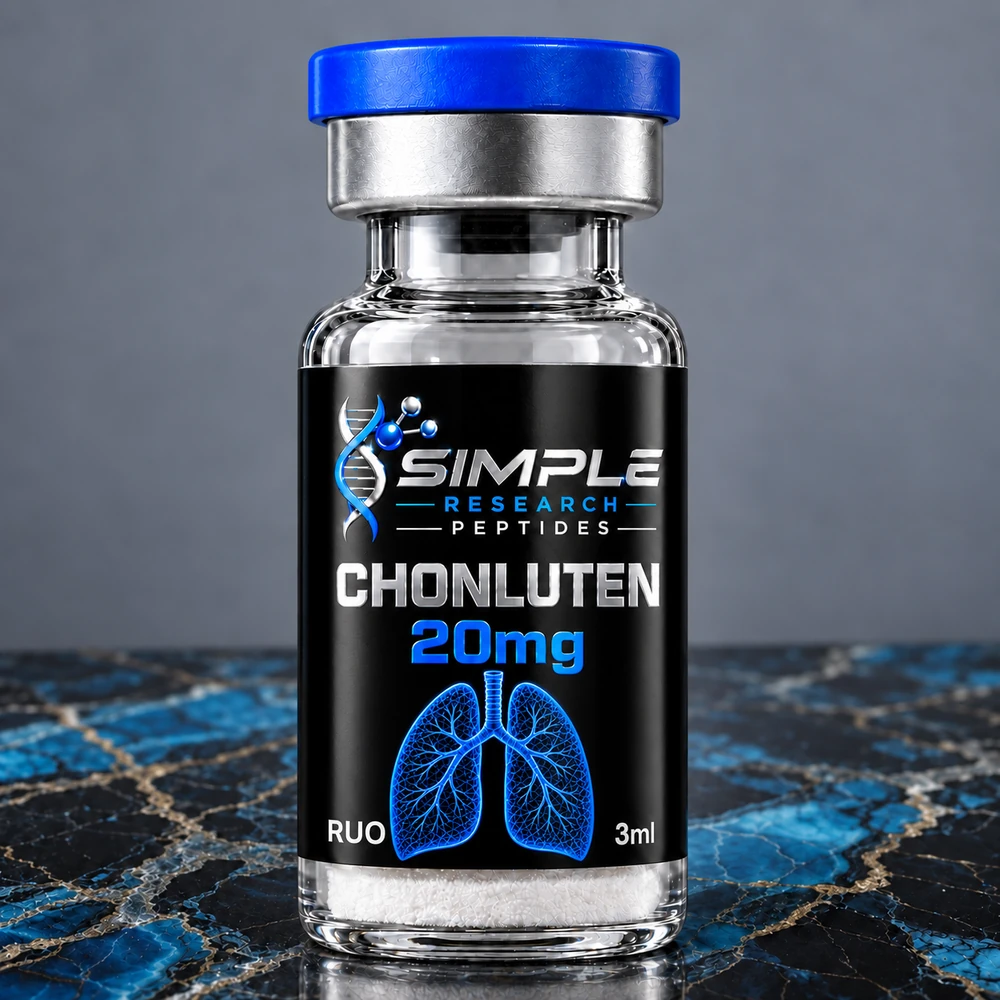
Chonluten

Sparse/limited evidence

Peptide bioregulator research

Research overview

Chonluten is marketed as a short peptide bioregulator associated with respiratory-tissue research. The English-language, independently replicated evidence base is limited.

Mechanism under study

Proposed gene-regulatory and tissue-specific effects are largely derived from preclinical or regionally published bioregulator literature. The precise receptor-level mechanism is not well established.

Evidence summary

Available reports are not comparable in depth to large randomized drug-development programs. Independent replication, pharmacokinetics, and standardized human safety data remain important gaps.

Research-quality note

Verify the exact amino-acid sequence; trade names alone are insufficient for literature matching.

PubMed search · Peptide bioregulator literature search

CJC-1295 with DAC

Early human pharmacology

Growth-hormone-axis research

Research overview

CJC-1295 is a growth-hormone-releasing-hormone analogue. The DAC version contains a drug-affinity complex designed for prolonged albumin binding and extended exposure.

Mechanism under study

It activates the GHRH receptor and can increase endogenous growth-hormone and IGF-1 signaling. DAC markedly changes pharmacokinetics, so DAC and non-DAC materials are not interchangeable.

Evidence summary

Early controlled human studies described sustained pharmacodynamic effects, but these do not establish broad therapeutic efficacy or long-term safety for research-market products.

Research-quality note

Require sequence and DAC-status confirmation. Mislabeling DAC versus non-DAC changes the scientific interpretation substantially.

Human CJC-1295 research · GHRH receptor literature

CJC-1295 without DAC (Modified GRF 1-29)

Limited human pharmacology

Growth-hormone-axis research

Research overview

The label “CJC-1295 without DAC” is commonly used for a shorter-acting GHRH analogue, often described as modified GRF(1-29). Naming is inconsistent across suppliers.

Mechanism under study

Like other GHRH analogues, it stimulates pituitary GHRH receptors. Without an albumin-binding DAC, exposure is expected to be much shorter than true CJC-1295 DAC.

Evidence summary

Evidence is largely extrapolated from GHRH analogue pharmacology and small studies. Supplier terminology does not always correspond cleanly to compounds in the literature.

Research-quality note

Sequence confirmation is essential. Research reports should state the actual peptide sequence rather than relying only on “no DAC.”

Modified GRF literature · GHRH analogue search

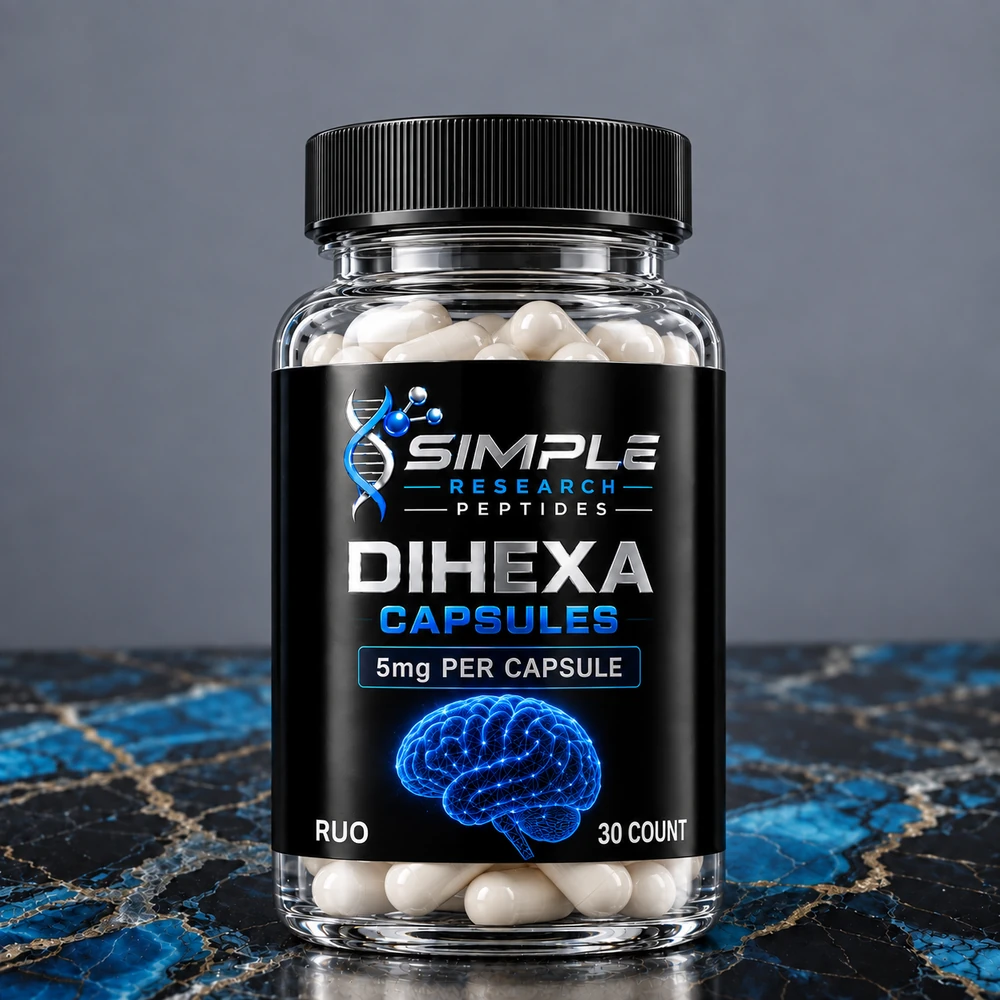
Dihexa

Preclinical evidence

Neuroscience research

Research overview

Dihexa is an angiotensin IV–derived small molecule studied for effects on synaptic biology and cognition in experimental systems.

Mechanism under study

Preclinical work links Dihexa to hepatocyte growth factor/c-Met signaling and synaptogenesis. This pathway also has roles in cell growth, making mechanism-based safety questions important.

Evidence summary

Published work is dominated by cell and animal models. Controlled human efficacy, pharmacokinetics, and long-term safety have not been established.

Research-quality note

Do not translate rodent cognitive findings directly to people. Confirm chemical identity because Dihexa is not a conventional peptide despite its derivation.

Primary literature search · HGF/c-Met pathway

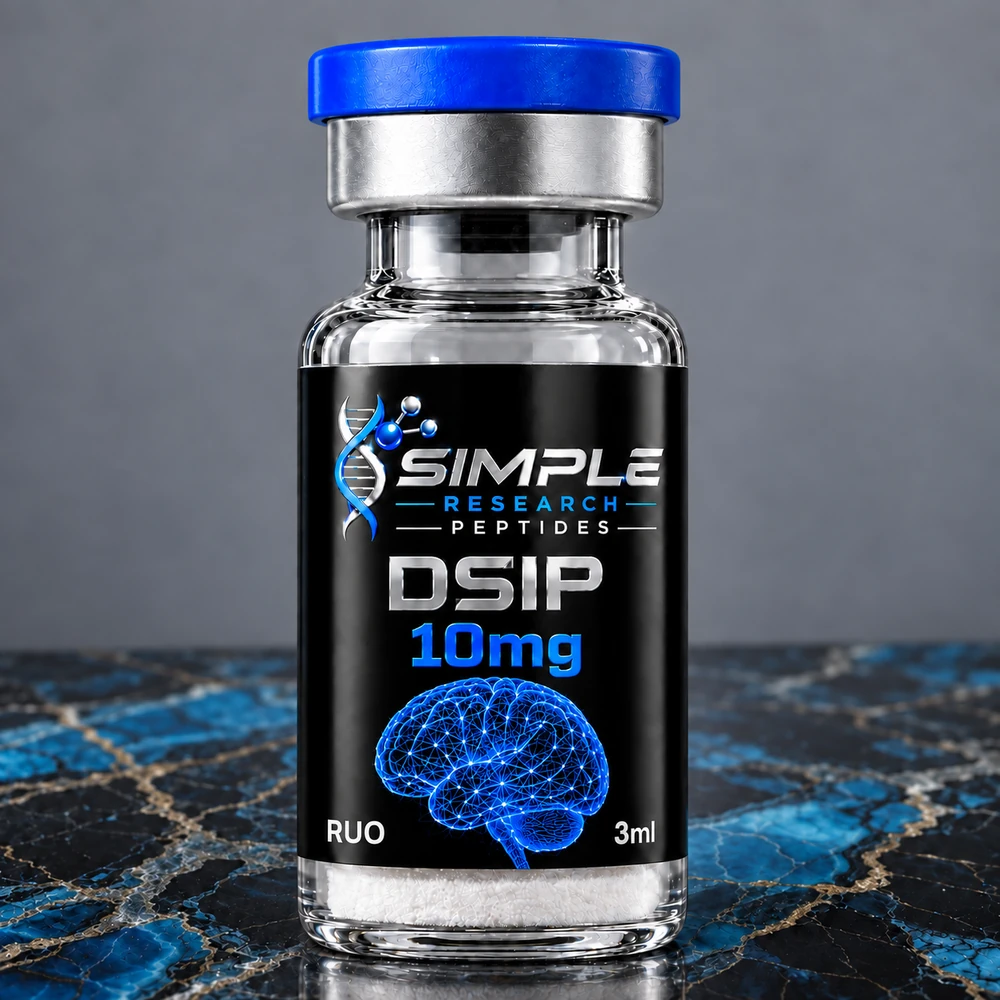
DSIP

Older, inconsistent evidence

Sleep and neuroendocrine research

Research overview

Delta sleep-inducing peptide (DSIP) is a small peptide first described in sleep-related experiments. Its biological identity, endogenous role, and reproducibility have been debated.

Mechanism under study

Reported effects span sleep architecture, stress signaling, and neuroendocrine regulation, but no single well-validated receptor mechanism explains the historical literature.

Evidence summary

Much of the literature is older, small, or methodologically heterogeneous. Modern replication and well-controlled human pharmacology are limited.

Research-quality note

Treat broad sleep or recovery claims cautiously and document analytical identity in any laboratory work.

PubMed DSIP index · Sleep peptide review search

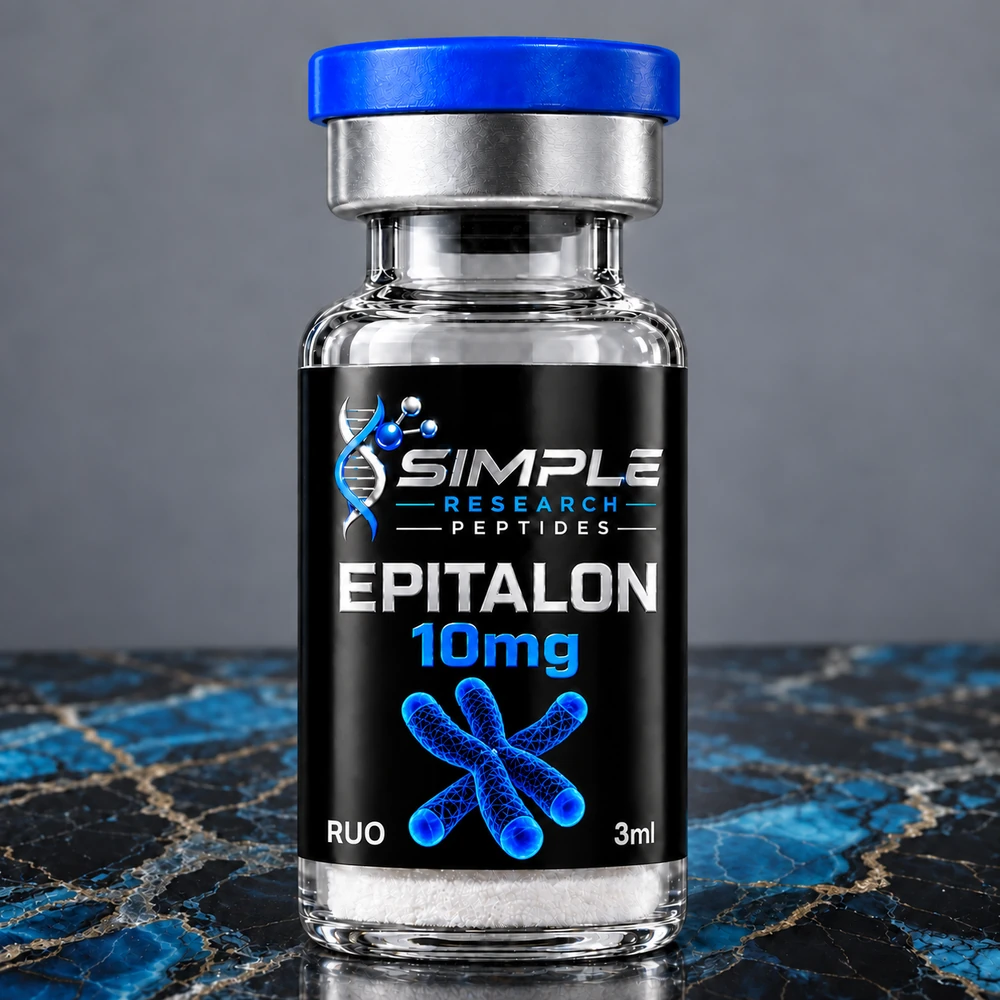
Epitalon

Preclinical/small human literature

Aging-biology research

Research overview

Epitalon (also spelled Epithalon) is the tetrapeptide Ala-Glu-Asp-Gly, studied mainly in aging, pineal, and telomere-related research.

Mechanism under study

Reported laboratory effects include changes in gene expression, oxidative processes, and telomerase activity. These proposed mechanisms remain context-dependent and do not demonstrate lifespan extension in humans.

Evidence summary

The evidence base consists largely of preclinical work and small or regionally published human studies. Large independent randomized trials are lacking.

Research-quality note

Search both spellings and verify the four-amino-acid sequence when matching a material to the literature.

PubMed Epitalon search · Telomerase research search

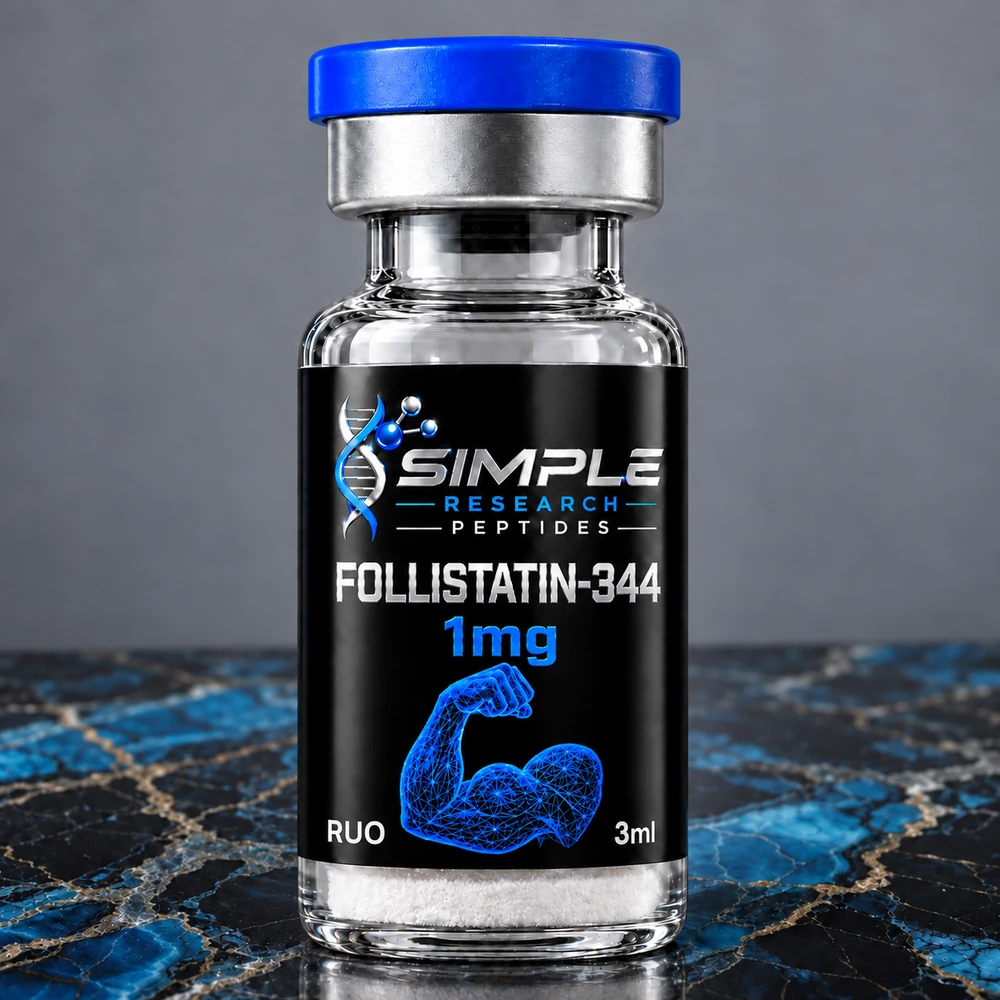
Follistatin-344

Preclinical/biologic research

Muscle-signaling research

Research overview

Follistatin-344 is a precursor isoform of follistatin, a binding protein that regulates activins and related TGF-beta-family ligands, including pathways connected to myostatin.

Mechanism under study

By binding activins and myostatin-related ligands, follistatin can alter muscle, reproductive, and metabolic signaling. Effects are broad and not limited to muscle tissue.

Evidence summary

Strong pathway biology and animal research exist, along with experimental gene-therapy work. Evidence for unregulated recombinant research products is not equivalent to those controlled platforms.

Research-quality note

Isoform, folding, glycosylation, bioactivity, and endotoxin testing matter; mass alone does not establish a functional protein product.

Follistatin biology · Myostatin and follistatin research

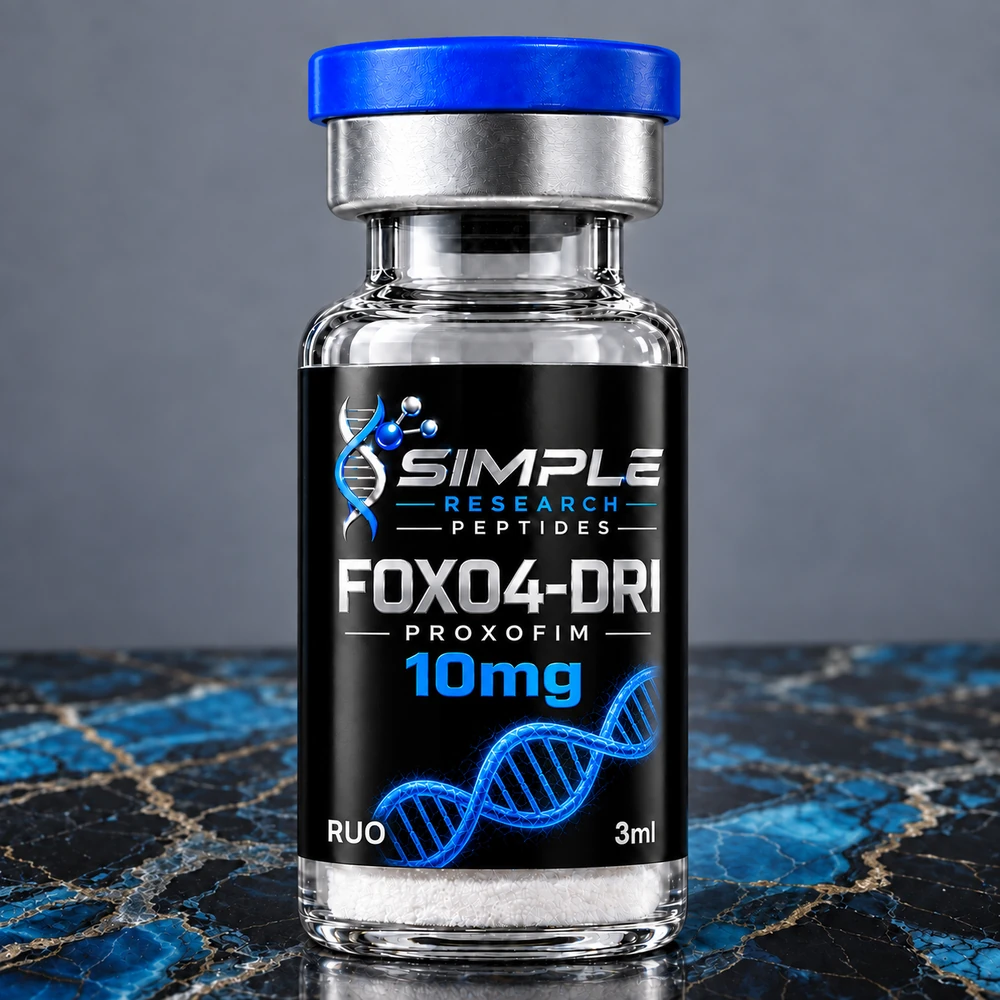
FOXO4-DRI

Preclinical evidence

Cellular-senescence research

Research overview

FOXO4-DRI is a D-retro-inverso peptide designed to disrupt interaction between FOXO4 and p53 in senescent cells.

Mechanism under study

In experimental models, disrupting FOXO4-p53 signaling promoted apoptosis in selected senescent cells and improved some tissue-function measures in aged mice.

Evidence summary

The influential evidence is preclinical. Human pharmacokinetics, selectivity, efficacy, and long-term safety are not established, and senolytic effects may vary by cell type.

Research-quality note

Sequence stereochemistry is critical: D-retro-inverso design cannot be inferred from molecular weight alone.

Primary senescence study · Cell senescence research

GHK-Cu + KPV Blend

Component-level evidence only

Tissue and inflammation research

Research overview

This blend combines copper-binding GHK-Cu with KPV, an alpha-MSH-derived tripeptide. Each component has a distinct literature base.

Mechanism under study

GHK-Cu is studied in extracellular-matrix, wound, and skin biology; KPV is studied in preclinical inflammatory signaling. A mixture may not reproduce either component’s isolated behavior.

Evidence summary

We found component-level research but no robust body of peer-reviewed, blend-specific clinical evidence. Claims should be attributed to the individual components unless a study tests the exact formulation.

Research-quality note

Confirm both peptide identities, copper complexation, ratio, purity, and compatibility. Do not merge separate evidence streams into a combination claim.

GHK-Cu research · KPV primary research

IGF-1 LR3

Laboratory reagent evidence

Growth-factor research

Research overview

Long R3 IGF-1 is a modified insulin-like growth factor analogue engineered for reduced binding to IGF-binding proteins and prolonged activity in laboratory systems.

Mechanism under study

It activates IGF-1 receptor signaling and downstream growth, survival, and metabolic pathways. These pathways are pleiotropic and can affect many tissues.

Evidence summary

IGF-1 LR3 is widely used as a cell-culture and animal-research reagent, but there is no established general clinical role for research-market LR3 products.

Research-quality note

Bioactivity, correct folding, aggregation, sterility, and endotoxin are crucial for interpreting protein-reagent results.

IGF-1 LR3 search · IGF-1 receptor biology

Ipamorelin

Early human pharmacology

Growth-hormone-axis research

Research overview

Ipamorelin is a selective growth-hormone secretagogue and ghrelin-receptor agonist studied for its ability to stimulate pulsatile growth-hormone release.

Mechanism under study

It activates GHSR1a signaling at the pituitary and hypothalamic axis. Its selectivity profile differs from older secretagogues, but endocrine effects remain system-wide.

Evidence summary

Early human pharmacokinetic and pharmacodynamic studies exist. They characterize hormone release more clearly than they establish long-term clinical outcomes.

Research-quality note

Do not treat biomarker changes as demonstrated functional benefit. Combination studies require evidence for the exact combination.

Human PK/PD study · Ipamorelin research index

Kisspeptin-10

Human mechanistic evidence

Reproductive-axis research

Research overview

Kisspeptin-10 is the active C-terminal decapeptide of kisspeptin and a potent agonist of the KISS1 receptor, a central regulator of reproductive hormone signaling.

Mechanism under study

KISS1R activation stimulates hypothalamic GnRH release, which can alter luteinizing hormone and follicle-stimulating hormone secretion.

Evidence summary

Controlled human mechanistic studies have examined reproductive endocrinology and assisted-reproduction contexts. Outcomes depend on sex, hormonal state, and study design.

Research-quality note

Kisspeptin-10 and longer kisspeptin forms have different pharmacokinetics; record the exact molecular form.

Human kisspeptin-10 research · KISS1R mechanism

KPV

Preclinical evidence

Inflammation research

Research overview

KPV is the C-terminal tripeptide Lys-Pro-Val derived from alpha-melanocyte-stimulating hormone and studied for anti-inflammatory activity.

Mechanism under study

Laboratory studies report effects on inflammatory transcription and epithelial immune responses, including pathways involving NF-kappaB. A definitive standalone receptor mechanism remains under study.

Evidence summary

Most evidence is from cell and animal models, including intestinal and skin-related research. Controlled human efficacy and safety evidence are limited.

Research-quality note

Distinguish KPV-specific data from data on full-length alpha-MSH or other melanocortin agonists.

Primary mechanistic study · KPV research index

Livagen

Sparse/limited evidence

Peptide bioregulator research

Research overview

Livagen is marketed as a short peptide bioregulator associated with liver-related research. Publicly indexed, independently replicated evidence is limited.

Mechanism under study

Proposed gene-expression and tissue-regulatory effects are largely described in preclinical or regional bioregulator literature rather than a widely validated receptor model.

Evidence summary

Large randomized human trials, standardized pharmacokinetics, and broad independent replication are lacking.

Research-quality note

Verify the disclosed sequence and do not use a trade name as a substitute for molecular identification.

PubMed search · Short peptide bioregulators

LL-37

Strong mechanistic; limited therapeutic evidence

Innate-immunity research

Research overview

LL-37 is the only human cathelicidin antimicrobial peptide and is produced from the precursor hCAP18.

Mechanism under study

It can disrupt microbial membranes and also modulate chemotaxis, inflammation, wound responses, and nucleic-acid sensing. Activity is highly dependent on concentration and biological environment.

Evidence summary

There is extensive laboratory and disease-association literature, but therapeutic delivery, selectivity, toxicity, and clinical efficacy remain challenging.

Research-quality note

Results depend on salt conditions, aggregation, oxidation, and endotoxin control. Endogenous biology does not establish safety of exogenous research material.

LL-37 review index · LL-37 clinical research

Melanotan II

Limited human evidence; safety concerns

Melanocortin research

Research overview

Melanotan II is a synthetic cyclic analogue of alpha-MSH that activates multiple melanocortin receptors.

Mechanism under study

Melanocortin receptor activation can influence pigmentation, appetite, and sexual function. Its receptor profile is not highly selective.

Evidence summary

Small human studies and case reports exist, but it is not an approved tanning drug and uncontrolled products have been associated with adverse-event concerns.

Research-quality note

Do not confuse Melanotan II with afamelanotide, a regulated medicine with a different molecule and clinical context.

Melanotan II research · Adverse-event literature

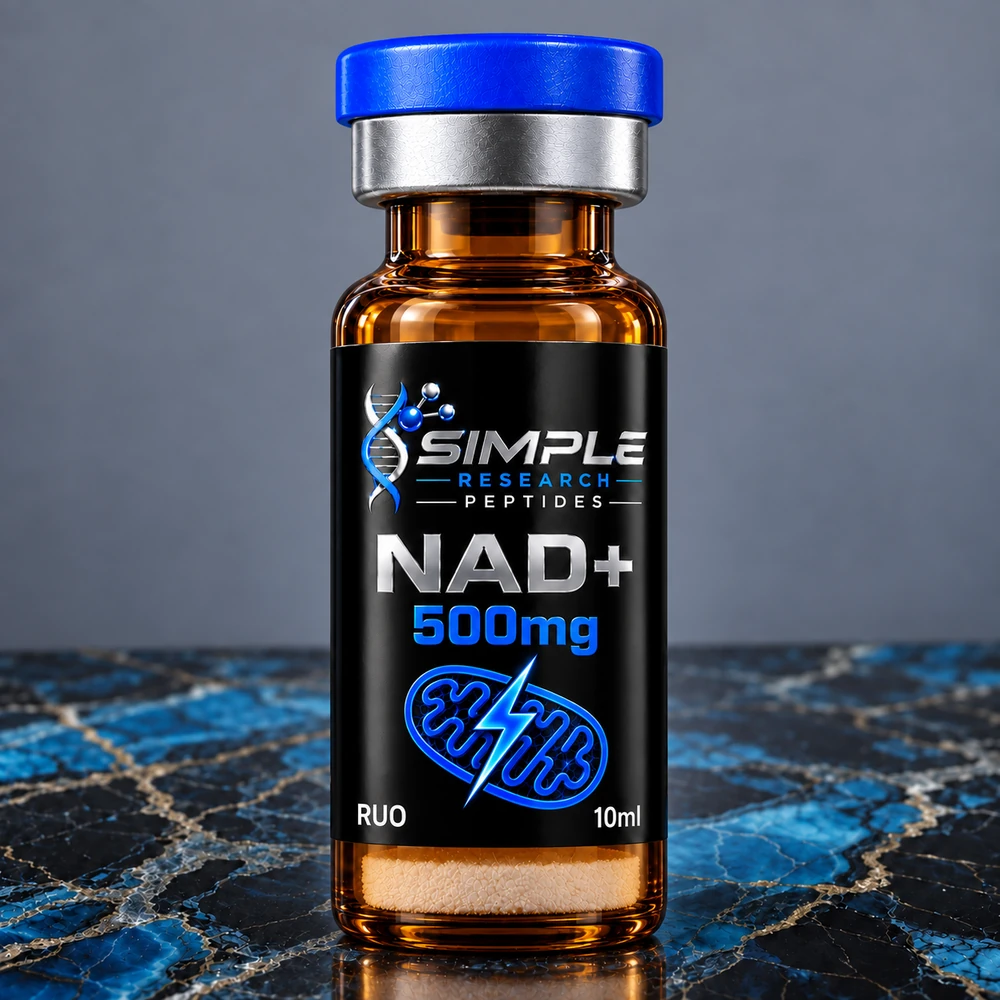
NAD+

Established biology; intervention-specific gaps

Cellular-metabolism research

Research overview

Nicotinamide adenine dinucleotide (NAD+) is an essential coenzyme in redox metabolism and a substrate for enzymes such as sirtuins and PARPs. It is not a peptide.

Mechanism under study

NAD+/NADH couples support energy metabolism, while NAD+-consuming enzymes connect the molecule to DNA repair, stress responses, and signaling.

Evidence summary

The biology is extensive, but evidence for a particular exogenous NAD+ formulation, route, or claimed outcome must be evaluated separately. Precursor studies are not automatically evidence for NAD+ itself.

Research-quality note

State the exact molecular form, assay purity, and stability. Do not merge evidence for NR, NMN, niacin, and NAD+.

NAD+ biology review search · Human NAD+ intervention research

Ovagen

Sparse/limited evidence

Peptide bioregulator research

Research overview

Ovagen is marketed as a short peptide bioregulator associated with liver and gastrointestinal research in some catalogs. Definitions and naming may vary.

Mechanism under study

Claims generally refer to tissue-specific gene-regulatory effects, but a well-replicated receptor-level mechanism is not established.

Evidence summary

Independent, well-controlled human studies are sparse. Much of the available discussion is not equivalent to indexed clinical evidence.

Research-quality note

Verify sequence, nomenclature, and the intended tissue association before matching the product with publications.

PubMed search · Peptide bioregulator search

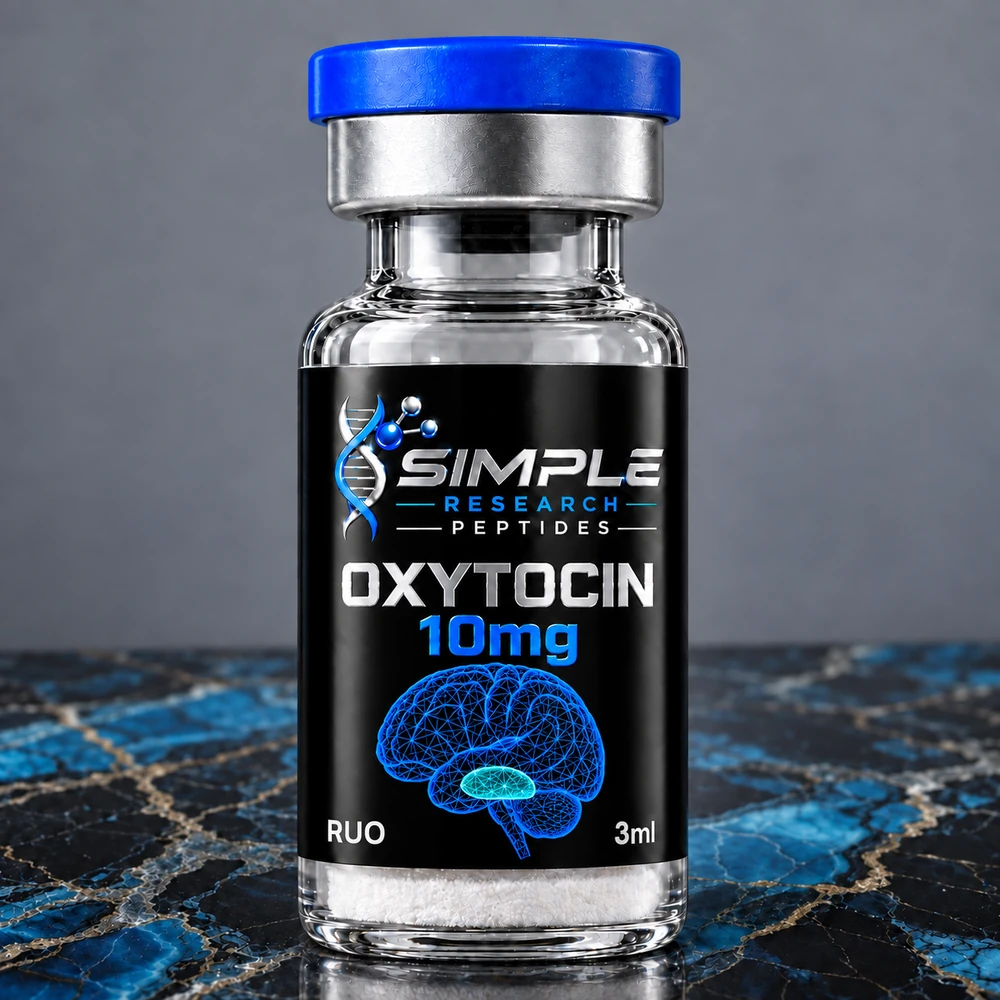
Oxytocin

Extensive human biology and clinical use

Neuroendocrine research

Research overview

Oxytocin is a nine-amino-acid peptide hormone involved in uterine contraction, milk ejection, and central social and stress-related signaling.

Mechanism under study

It activates the oxytocin receptor, a G-protein-coupled receptor expressed in peripheral tissues and the nervous system. Context, route, and timing strongly affect results.

Evidence summary

Oxytocin has established prescription uses in regulated obstetric formulations and a large research literature. Findings in social-behavior studies are heterogeneous and should not be generalized.

Research-quality note

A research product is not equivalent to an approved medicine. Peptide stability, adsorption, and formulation can alter experimental exposure.

Oxytocin receptor biology · Human oxytocin research

Pancragen

Sparse/limited evidence

Peptide bioregulator research

Research overview

Pancragen is a short peptide bioregulator associated with pancreatic-tissue research in regional literature.

Mechanism under study

Proposed actions involve gene-expression regulation and tissue homeostasis, but a broadly accepted molecular target has not been established.

Evidence summary

Evidence is primarily preclinical or from small, regionally published studies. Independent replication and standardized human safety data are limited.

Research-quality note

Confirm the exact peptide sequence and avoid extrapolating from general pancreatic peptides.

PubMed search · Short peptide gene regulation

Pinealon

Preclinical/small human literature

Neuroscience bioregulator research

Research overview

Pinealon is a short peptide, commonly described as Glu-Asp-Arg, investigated in neuroprotective and aging-related bioregulator research.

Mechanism under study

Reported laboratory effects include changes in gene expression, oxidative stress, and neuronal survival. A definitive receptor and full pharmacology are not established.

Evidence summary

Most publications are preclinical or small and concentrated within a limited research network. Large independent randomized trials are lacking.

Research-quality note

Verify the three-amino-acid sequence and keep claims proportional to the limited evidence base.

PubMed Pinealon search · Sequence-specific search

Prostamax

Sparse/limited evidence

Peptide bioregulator research

Research overview

Prostamax is marketed as a short peptide bioregulator associated with prostate-tissue research.

Mechanism under study

Proposed tissue-regulatory effects come mainly from regional peptide-biogerontology literature; a validated receptor-level mechanism is not established.

Evidence summary

Independent replication, standardized pharmacokinetics, and large controlled human trials are sparse.

Research-quality note

Require exact sequence disclosure and do not infer equivalence to other prostate-derived peptide preparations.

PubMed search · Prostate peptide bioregulator search

PT-141 (Bremelanotide)

Human clinical evidence; regulated analogue context

Melanocortin research

Research overview

PT-141 is bremelanotide, a cyclic melanocortin-receptor agonist developed from melanocortin peptide research.

Mechanism under study

It acts centrally through melanocortin receptors involved in sexual response. Its mechanism differs from vasodilator drugs.

Evidence summary

A regulated prescription bremelanotide product has clinical-trial and labeling evidence for a specific indication. That evidence does not establish equivalence of an unapproved research vial.

Research-quality note

Check the current FDA label for the regulated product and distinguish it from research material in formulation, manufacturing, and oversight.

FDA label search · Bremelanotide clinical research

Selank

Limited human evidence

Neuroscience research

Research overview

Selank is a synthetic heptapeptide analogue related to the immunomodulatory peptide tuftsin and studied mainly in anxiety, cognition, and gene-expression research.

Mechanism under study

Proposed actions include modulation of neurotransmitter systems and immune-neural signaling, but no single mechanism fully explains the reported effects.

Evidence summary

Human reports exist, but the literature is geographically concentrated and often small. Large independent, internationally replicated trials are limited.

Research-quality note

Separate peer-reviewed findings from marketing claims and verify the full seven-amino-acid sequence.

PubMed Selank search · Selank mechanism search

Semax

Limited human evidence

Neuroscience research

Research overview

Semax is a synthetic ACTH(4-7)-derived heptapeptide studied in neuroprotection, cognition, and stress-related signaling.

Mechanism under study

Reported effects involve neurotrophic signaling, neurotransmitter systems, and gene expression without the classic adrenal steroidogenic activity of full ACTH.

Evidence summary

Clinical and preclinical publications exist, but much of the human evidence is regionally concentrated and not broadly replicated in large modern trials.

Research-quality note

Do not generalize from ACTH or other melanocortin fragments. Confirm the exact Semax sequence.

PubMed Semax search · Semax neuroprotection search

Sermorelin

Human pharmacology; historical clinical context

Growth-hormone-axis research

Research overview

Sermorelin is the 1-29 amino-acid fragment of human GHRH and retains the portion required to stimulate pituitary growth-hormone release.

Mechanism under study

It activates the GHRH receptor, relying on a functioning pituitary rather than directly supplying growth hormone.

Evidence summary

Human diagnostic and pediatric literature exists, including historical regulated-product use. This does not establish anti-aging or performance claims.

Research-quality note

Sermorelin, modified GRF(1-29), and CJC-1295 are related but chemically and pharmacokinetically distinct.

Sermorelin research · GHRH(1-29) studies

Thymosin Alpha-1

Human clinical evidence; context-specific

Immune research

Research overview

Thymosin alpha-1 is a 28-amino-acid peptide derived from prothymosin alpha and studied as an immune-modulating agent.

Mechanism under study

It influences innate and adaptive immune signaling, including dendritic-cell and T-cell responses. Effects vary with disease state and co-therapies.

Evidence summary

Clinical studies span infections, oncology adjunct research, and immune dysfunction. It is approved in some countries but not for all marketed claims or in every jurisdiction.

Research-quality note

Regulatory status, indication, and formulation must be checked by country. Research material is not equivalent to a regulated medicine.

Thymosin alpha-1 review search · Clinical trial literature

Vesugen

Sparse/limited evidence

Peptide bioregulator research

Research overview

Vesugen is marketed as a short peptide bioregulator associated with vascular-tissue and endothelial research.

Mechanism under study

Proposed effects involve gene expression and vascular cell homeostasis, but a well-validated receptor-level mechanism is not established.

Evidence summary

Available evidence is mainly preclinical or from small regional studies. Independent replication and standardized human safety data are limited.

Research-quality note

Confirm the exact sequence and distinguish this material from other vascular peptide preparations.

PubMed search · Vascular peptide bioregulators

Editorial standard: This index is a living evidence map, not a protocol library. Source coverage and regulatory status change. Entries should be reassessed when new trials, safety signals, or identity data become available. Last editorial review: August 2026.

Scroll to Top
View Cart