






Understand what goes
into your body.
Explore vitamins, minerals, botanicals and the science beyond the label. Start with a question. Follow the evidence.
Find the substance.
Understand the context.
Choose a collection or search an ingredient, alternate name or abbreviation. Open any card for its detailed reference entry.
197 reference entries. Open a card below.
 VitaminsVitamin AEstablished nutrient role
Alternate names & related search terms: retinol, retinal, retinoic acid, beta carotene
What it does
Vitamin A has several related forms with different jobs. Retinal is part of the light-sensitive machinery in the retina, while retinoic acid helps regulate genes involved in cell development and epithelial tissues. Liver, eggs and dairy provide preformed vitamin A. Orange and dark-green vegetables provide carotenoids, including beta-carotene, that the body can convert to vitamin A. Not every carotenoid has vitamin A activity.
What the evidence shows
Adequate intake supports normal vision, immune function and growth. Deficiency can impair vision in dim light and damage the eye, so correcting deficiency has a clear biological purpose. That does not mean additional vitamin A sharpens normal eyesight. Retinol and carotenoid labels also cannot be compared simply by ingredient weight because their vitamin A activity differs.
Safety & important context
Preformed vitamin A can accumulate, and excessive exposure can damage the liver or harm fetal development. Retinoid medicines add a separate reason to review supplements carefully. Beta-carotene from ordinary vegetables is different from concentrated supplements, which increased lung-cancer risk in trials involving smokers and certain other high-risk groups.
Explore the sources
- NIH Office of Dietary Supplements: VitaminA
- NIH Office of Dietary Supplements: Vitamin A, consumer fact sheet
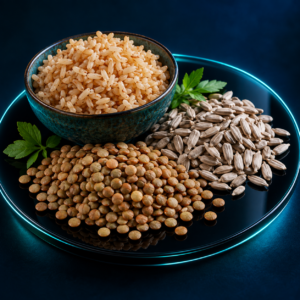
Illustrated food sources; food composition varies.
 VitaminsVitamin B1, thiamineEstablished nutrient role
Alternate names & related search terms: thiamin, B1, thiamine
What it does
Thiamine becomes thiamine diphosphate, a coenzyme that helps enzymes process carbohydrates and selected amino acids. It participates in reactions connecting fuel breakdown to mitochondrial energy metabolism and in the pentose phosphate pathway. The body stores relatively little, so a continuing dietary supply matters. Pork, legumes, whole grains and enriched grain foods contribute thiamine; refining and cooking can reduce food content.
What the evidence shows
Deficiency can cause beriberi, with neurological or cardiovascular effects, and contributes to Wernicke encephalopathy in susceptible people. Alcohol dependence, severe malnutrition and some gastrointestinal conditions increase risk. Correcting deficiency is established care, while providing extra thiamine to an adequately nourished person has not established a general energy or performance advantage. Benfotiamine is a related derivative with its own research, not proof that every B1 product has identical effects.
Safety & important context
New confusion, difficulty walking or abnormal eye movements in a person at risk require urgent medical assessment. Some diuretics can increase urinary thiamine loss, and certain chemotherapy treatments may affect thiamine pathways. Low reported oral toxicity does not justify delaying assessment of a suspected deficiency.
Explore the sources
Link to this entryIllustrated food sources; food composition varies.
 VitaminsVitamin B2, riboflavinEstablished nutrient role
Alternate names & related search terms: B2, riboflavin
What it does
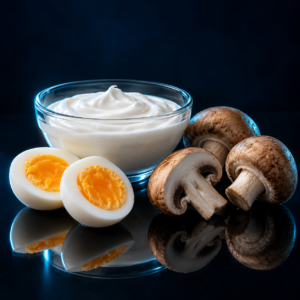
Riboflavin supplies the coenzymes FMN and FAD. They transfer electrons in reactions that release energy from food and maintain cellular redox systems. Riboflavin also helps convert vitamin B6 to its coenzyme form and supports conversion of tryptophan into niacin. Milk, eggs, meats and fortified grains supply B2. Light can degrade riboflavin, which is one reason milk packaging protects its contents.
What the evidence shows
Deficiency can contribute to cracked mouth corners, inflamed tongue, skin changes and anemia, often alongside other nutrient deficiencies. Its role in energy metabolism is established, but it does not act like a stimulant. Migraine-prevention trials address a specific clinical question and should not be generalized into claims that B2 improves everyone's concentration or endurance. Riboflavin and riboflavin phosphate supplements ultimately contribute to the same nutrient pool.
Safety & important context
Only limited amounts are absorbed at once, and surplus absorbed riboflavin is excreted in urine. Bright yellow urine can therefore follow supplementation and is not proof of increased energy production. A lack of established toxicity thresholds reflects limited evidence of harm, not a reason to ignore persistent fatigue or neurological symptoms.
Illustrated food sources; food composition varies.
VitaminsVitamin B3, niacinEstablished nutrient role
Alternate names & related search terms: B3, niacin, nicotinamide, niacinamide, nicotinic acid
What it does
Niacin contributes to NAD and NADP, coenzymes used in hundreds of reactions. NAD supports transfer of energy from food and participates in DNA-related cellular processes. NADP helps biosynthesis and antioxidant systems. Foods supply nicotinic acid, nicotinamide and related compounds; the body can also make niacin from tryptophan. Meat, fish, poultry, legumes and fortified grains contribute intake.
What the evidence shows
Adequacy prevents pellagra, a deficiency illness affecting skin, digestion and the nervous system. Nicotinic acid has pharmacological lipid effects, whereas nicotinamide does not produce the same response. Large trials have not shown that adding niacin to effective statin treatment necessarily improves cardiovascular outcomes. Likewise, participation in NAD metabolism does not establish that a niacin supplement reverses aging or increases energy in a person with adequate status.
Safety & important context
Nicotinic acid can cause flushing and itching. Greater exposures can disturb glucose regulation, raise uric acid and damage the liver, with risks varying by formulation. Nicotinamide can also cause adverse effects despite causing less flushing. Lipid-lowering treatment and use alongside other medicines require formulation-specific medical review.
Illustrated food sources; food composition varies.
VitaminsVitamin B5, pantothenic acidEstablished nutrient role
Alternate names & related search terms: B5, pantothenate
What it does
Pantothenic acid is needed to make coenzyme A and acyl carrier protein. These molecules carry chemical groups during fatty-acid synthesis, fat breakdown and many other metabolic reactions. Food-bound forms are broken down before absorption and rebuilt into compounds the body uses. B5 occurs in many plant and animal foods, including poultry, meat, whole grains and vegetables, which helps explain why deficiency is uncommon.
What the evidence shows
Its biochemical importance is well established. Deficiency has mainly been observed in severe malnutrition or experimental settings and can involve fatigue, digestive symptoms and burning sensations in the feet. This does not establish that routine B5 supplements improve energy when nutrition is adequate. Pantethine has been studied separately for lipid-related outcomes; those results cannot simply be assigned to ordinary pantothenic acid or calcium pantothenate.
Safety & important context
Very large supplemental intakes can cause diarrhea or other gastrointestinal symptoms. A lack of a formal upper limit does not mean unlimited intake has been established as safe. When a product combines B5 with other vitamins or herbs, its overall tolerability depends on those ingredients as well.
Illustrated food sources; food composition varies.
VitaminsVitamin B6 and P5PEstablished nutrient role
Alternate names & related search terms: B6, PLP, P5P, Pyridoxal 5'-phosphate, Pyridoxine, Pyridoxal, Pyridoxamine, B6, P5P, PLP, pyridoxal 5 phosphate, pyridoxal phosphate
What it does
Vitamin B6 includes several interconvertible compounds, including pyridoxine, pyridoxal and pyridoxamine. Pyridoxal 5'-phosphate, called PLP or P5P, is a major coenzyme form. B6-dependent reactions process amino acids, help synthesize neurotransmitters and hemoglobin, and contribute to glycogen breakdown. Fish, poultry, potatoes, chickpeas and fortified foods provide B6. Phosphorylated forms are processed during intestinal absorption rather than simply delivered unchanged to every cell.
What the evidence shows
B6 deficiency can cause anemia, skin changes and neurological symptoms. Adequacy is essential, but lowering a biomarker such as homocysteine does not by itself prove prevention of cardiovascular disease. An 'active form' label is not a head-to-head clinical demonstration that P5P improves mood, sleep or energy more than other forms in every person.
Safety & important context
Chronic excessive supplementation can cause sensory neuropathy, including tingling, numbness and impaired coordination. Total exposure matters because B6 may appear in multivitamins, magnesium combinations and energy products. Some antiseizure medicines and other treatments interact with B6 metabolism. P5P should not be assumed exempt from excessive-intake concerns simply because it is a coenzyme form.
Illustrated food sources; food composition varies.
VitaminsVitamin B7, biotinEstablished nutrient role
Alternate names & related search terms: B7, biotin
What it does
Biotin helps carboxylase enzymes attach carbon-containing groups during fatty-acid synthesis, glucose production and amino-acid metabolism. Digestion releases much of food biotin from proteins, and the enzyme biotinidase helps recycle it. Eggs, fish, organ meats, nuts and seeds are sources. Raw egg-white avidin binds biotin and can impair absorption with sustained substantial exposure; cooking changes avidin so this binding is reduced.
What the evidence shows
True deficiency can cause hair loss, rash and neurological effects, but it is uncommon. Inherited biotin-processing disorders are separate medical conditions. Evidence that extra biotin improves hair, skin or nails in people without deficiency is limited. A nutrient's involvement in metabolism does not establish that a beauty product will correct hair loss from thyroid disease, iron deficiency or other causes.
Safety & important context
Biotin can interfere with laboratory methods that use biotin-based detection systems. Results can be falsely high or low, including some thyroid tests and cardiac troponin assays, potentially misleading urgent care. Tell the clinician and laboratory about biotin-containing supplements; the appropriate testing precautions depend on the assay and the product.
Illustrated food sources; food composition varies.
 VitaminsVitamin B9, folateEstablished nutrient role
Alternate names & related search terms: B9, folic acid, methylfolate, 5-MTHF
What it does
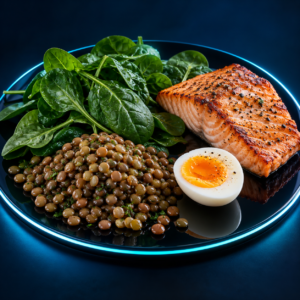
Folate transfers single-carbon units needed to build DNA and process amino acids. These pathways support cell division and interact with vitamin B12 during conversion of homocysteine to methionine. Leafy vegetables, beans and other foods provide natural folates. Folic acid is used in fortified foods and many supplements, while methylfolate is another supplemental form. Their absorption and metabolic handling are not identical.
What the evidence shows
Adequate folate supports normal red-cell formation. Folic acid has strong evidence for reducing neural-tube-defect risk around pregnancy. That specific outcome should not be confused with claims that methylated products universally improve mood, energy or detoxification. A common genetic variant affecting folate metabolism does not, on its own, establish a disease or prove that a particular branded formulation is necessary.
Safety & important context
Substantial folic acid intake can correct the anemia of B12 deficiency while its neurological injury continues, making B12 assessment important. Folate also interacts with treatment involving methotrexate and some antiseizure medicines; the clinical implications depend on the condition and treatment. Prescribed folate should not be independently substituted with another form.
Explore the sources
Link to this entryIllustrated food sources; food composition varies.
 VitaminsVitamin B12Established nutrient role
Alternate names & related search terms: cobalamin, methylcobalamin, cyanocobalamin
What it does
Vitamin B12 supports methionine synthase and methylmalonyl-CoA mutase, linking it to DNA synthesis, red-cell formation, nerve function and metabolism. Food-bound B12 must be released during digestion and usually binds intrinsic factor before absorption in the small intestine. Animal foods supply it naturally; fortified foods are important sources for many plant-based diets. Cyanocobalamin and hydroxocobalamin can be converted to active cellular forms.
What the evidence shows
Deficiency can cause anemia and neurological injury, and neurological symptoms can occur without obvious anemia. Metformin, acid-suppressing medicines, pernicious anemia and gastrointestinal surgery can affect status. B12 replacement is valuable when deficiency exists, but added B12 does not reliably increase energy or exercise performance in adequately nourished people. A methylcobalamin label alone does not prove better clinical outcomes or superior absorption.
Safety & important context
Assessment may combine B12 measurements with markers such as methylmalonic acid, interpreted in context because kidney function can affect results. Tingling, balance problems or cognitive changes should not be dismissed as ordinary tiredness. The formulation and route used to correct deficiency depend on its cause rather than a general wellness preference.
Explore the sources
Link to this entryIllustrated food sources; food composition varies.
 VitaminsVitamin C and bioflavonoidsEstablished nutrient role
Alternate names & related search terms: ascorbic acid, bioflavonoids
What it does
Vitamin C is required by enzymes that help form collagen, carnitine and certain neurotransmitters. It also participates in antioxidant recycling and improves absorption of nonheme iron from plant foods. Humans cannot synthesize it, so fruits and vegetables provide an important continuing supply. Ascorbic acid and mineral ascorbate products provide vitamin C; bioflavonoids are accompanying plant compounds with separate biological properties.
What the evidence shows
Deficiency causes scurvy, with impaired connective tissues, bleeding and poor wound healing. Regular supplementation may modestly shorten common-cold duration in some settings but does not prevent colds in the general population. Neither an antioxidant label nor added bioflavonoids establishes superior protection against cancer, cardiovascular disease or infection. Research involving intravenous vitamin C is a different exposure from an oral food or supplement.
Safety & important context
Large oral amounts can cause diarrhea, nausea and cramps. Kidney disorders and a history of certain stones warrant individual assessment, while enhanced iron absorption can matter in iron-overload conditions. People receiving cancer treatment should review antioxidant supplements with their oncology team because interactions and treatment goals are specific.
Illustrated food sources; food composition varies.
VitaminsVitamin D, D2 and D3Established nutrient role
Alternate names & related search terms: D2, Ergocalciferol, D3, Cholecalciferol, Calciferol, D2, D3, cholecalciferol, ergocalciferol
What it does
Vitamin D supports calcium and phosphate balance after conversion first in the liver and then mainly in the kidneys to active metabolites. This helps mineralize bone and supports normal muscle function. Skin can make D3 following ultraviolet exposure; foods and supplements contain D2, ergocalciferol, or D3, cholecalciferol. Fatty fish and fortified foods contribute intake. Sunlight exposure is not a predictable or risk-free supplement substitute.
What the evidence shows
Deficiency can cause rickets in children and osteomalacia in adults. D2 and D3 both raise vitamin D status, although D3 often raises and maintains blood levels more effectively. Observational links between low vitamin D and many illnesses do not prove that extra supplementation prevents those illnesses. Trials in generally sufficient adults have not established universal benefits for cancer, heart disease or fracture prevention.
Safety & important context
Excess from supplements can cause hypercalcemia, kidney injury and abnormal heart rhythm. Kidney disease, granulomatous disorders and use of thiazide diuretics can change risk. Testing and interpretation require clinical context; an unusually high blood level is not a measure of superior health.
Explore the sources
Link to this entryIllustrated food sources; food composition varies.
 VitaminsVitamin EEstablished nutrient role
Alternate names & related search terms: tocopherol, tocotrienol
What it does
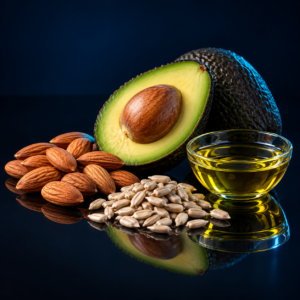
Vitamin E is a family of tocopherols and tocotrienols, but alpha-tocopherol is the form recognized as meeting the human requirement. It helps interrupt oxidative reactions in membrane lipids and participates in immune function. The liver selectively retains and redistributes alpha-tocopherol. Nuts, seeds and vegetable oils provide it, while natural-source and synthetic supplement forms differ in biological activity.
What the evidence shows
Deficiency is uncommon in healthy people but can occur with fat-malabsorption disorders or rare inherited conditions, affecting nerves and muscles. Antioxidant activity does not mean concentrated supplements prevent all oxidative-stress-related diseases. Large prevention trials have not established broad cardiovascular or cancer benefits, and one major trial found increased prostate-cancer risk with a particular vitamin E regimen. Results belong to the formulation and population studied.
Safety & important context
Supplemental vitamin E can increase bleeding risk, particularly alongside anticoagulant or antiplatelet medicines. Products described as mixed tocopherols or tocotrienols are not automatically interchangeable with alpha-tocopherol research. Fat-soluble vitamins should be reviewed carefully in people with digestive disease or complex treatment, because absorption and interactions can differ from those in healthy adults.
Illustrated food sources; food composition varies.
VitaminsVitamin K, K1 and K2Established nutrient role
Alternate names & related search terms: phylloquinone, menaquinone, MK-7, MK-4
What it does
Vitamin K helps an enzyme modify proteins so they can bind calcium appropriately. These proteins include clotting factors and proteins involved in bone and vascular biology. K1, phylloquinone, occurs mainly in leafy vegetables. K2 includes different menaquinones, such as MK-4 and MK-7, found in selected animal and fermented foods. Different side chains influence their handling, but they remain parts of a broader vitamin family.
What the evidence shows
Adequacy is necessary for normal clotting, and severe deficiency can cause bleeding. Changes in osteocalcin or other vitamin K-dependent biomarkers do not automatically prove fewer fractures or less cardiovascular disease. Bone and vascular trials use different forms and populations, so the slogan that K2 simply moves calcium out of arteries is an oversimplification. Vitamin K also does not neutralize excessive vitamin D exposure.
Safety & important context
Warfarin works by interfering with vitamin K recycling. Abrupt changes in food or supplement intake can therefore alter anticoagulation, making consistency and professional monitoring important. Fat-malabsorption disorders and some medicines can affect vitamin K status. The relevant interaction is not shared identically by every anticoagulant.
Illustrated food sources; food composition varies.
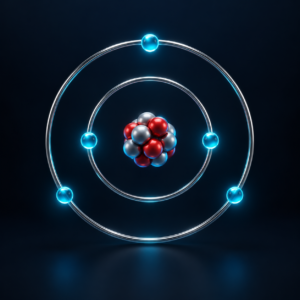 MineralsBoronLimited or uncertain
What it does
Boron occurs naturally in fruits, legumes, nuts and other plant foods. It is essential for plant growth, but a specific essential function in humans has not been established. Researchers study possible relationships with mineral handling, bone biology and hormone metabolism. Food borates and supplemental forms are processed after ingestion, with most absorbed boron eliminated in urine. A chemical pathway proposed in animals is not automatically a demonstrated human requirement.
What the evidence shows
Small studies have explored bone-related measures, joint symptoms, cognition and hormone biomarkers. Their limitations include small samples, different preparations and short follow-up. A transient change in a hormone measurement does not establish greater muscle growth or a safe testosterone strategy. Current evidence does not justify describing boron as a proven arthritis treatment or a necessary addition to every vitamin D or magnesium regimen.
Safety & important context
Excess boron can cause gastrointestinal, skin and neurological effects. Boric acid pesticides and household borax are not substitutes for food or properly identified supplements. Product identity and total exposure matter, particularly when several mineral combinations contain boron. Long-term benefit and safety cannot be inferred from a brief biomarker experiment.
Explore the sources
Link to this entrySchematic atom, not to scale; dietary forms differ.
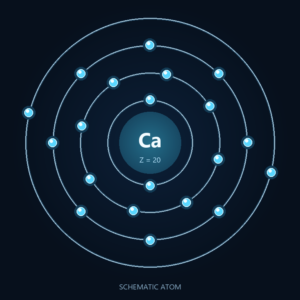 MineralsCalcium and calcium citrateEstablished nutrient role
Alternate names & related search terms: calcium citrate, calcium carbonate
What it does
Calcium forms much of the mineral structure of bones and teeth. It also acts as a tightly controlled signal for muscle contraction, nerve transmission, hormone release and clotting. Blood calcium can remain normal while bone stores change, so a normal blood result is not a complete measure of dietary adequacy. Dairy foods, calcium-set tofu and fortified alternatives are useful food sources.
What the evidence shows
Calcium adequacy and vitamin D support normal skeletal health, but supplements are not a complete osteoporosis treatment. Benefits depend on baseline intake, age and clinical circumstances. Calcium citrate relies less on stomach acid for absorption than carbonate. The elemental-calcium amount, rather than the weight of the entire salt, is the meaningful label quantity. Different forms can also differ in constipation and bloating effects.
Safety & important context
Calcium can reduce absorption of levothyroxine, certain antibiotics and some other medicines. Excessive total intake can cause problems, particularly with kidney disease or additional vitamin D exposure. Stone history needs individual review: dietary calcium and concentrated supplements are not equivalent, and simply eliminating calcium-containing foods is not a reliable prevention strategy.
Explore the sources
- NIH Office of Dietary Supplements: Calcium
- NIH Office of Dietary Supplements: Calcium and calcium citrate, consumer fact sheet
Schematic atom, not to scale; dietary forms differ.
 MineralsChlorideEstablished nutrient role
Alternate names & related search terms: chloride ion, Cl-
What it does
Chloride is a negatively charged electrolyte found mainly in extracellular fluid. It accompanies sodium in table salt, contributes to electrical neutrality and fluid balance, and forms part of the hydrochloric acid used in digestion. Exchanges involving chloride and bicarbonate also help regulate acid-base balance. Food chloride is not chemically equivalent to chlorine gas or household disinfectants, despite the related element name.
What the evidence shows
Its physiological functions are established, and ordinary diets commonly supply chloride with salt. Vomiting, substantial fluid losses, kidney disorders and some medicines can alter chloride levels. A blood chloride result is interpreted alongside sodium, potassium, bicarbonate and the clinical history. It is not a standalone measure of hydration, stomach-acid production or nutritional quality.
Safety & important context
Adding chloride without understanding the cause of an abnormal result can worsen an underlying fluid or acid-base problem. Sodium chloride and potassium chloride deliver different accompanying ions, which matters in heart or kidney disease and with relevant medicines. Products intended for cleaning or disinfection must never be ingested as electrolyte sources. Persistent digestive symptoms do not establish chloride deficiency.
Schematic ion, not to scale.
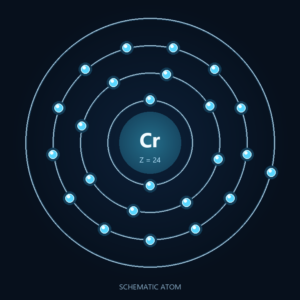 MineralsChromiumLimited or uncertain
What it does
Trivalent chromium is a trace element investigated for possible effects on insulin signaling and carbohydrate, fat and protein metabolism. Its precise physiological role remains uncertain. It differs from hexavalent chromium, an industrial toxicant. Food content varies with growing conditions and processing, and supplements contain forms such as chromium picolinate or chloride. These chemical labels do not establish a clinical effect.
What the evidence shows
Chromium was historically classified as essential in some reference frameworks, but later assessments questioned this because a reproducible deficiency syndrome has not been demonstrated in healthy populations. Trials of glucose control and body composition have produced inconsistent or clinically limited findings. A plausible insulin mechanism does not establish that chromium treats diabetes, reduces meaningful body fat or improves exercise performance.
Safety & important context
People using insulin or other glucose-lowering medicines need to consider possible additive effects. Chromium can also affect absorption of levothyroxine. Kidney and liver disease warrant caution because adverse events have been reported with concentrated products. There is no well-validated routine test that turns a general wellness complaint into a proven chromium deficiency.
Schematic atom, not to scale; dietary forms differ.
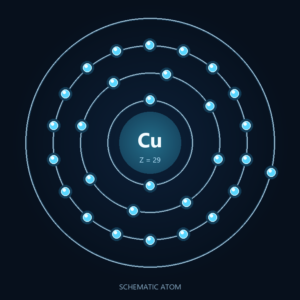 MineralsCopperEstablished nutrient role
What it does
Copper is required by enzymes involved in iron handling, connective-tissue formation and energy production. Cytochrome c oxidase uses copper in mitochondrial electron transfer, while ceruloplasmin supports iron metabolism. Copper-zinc superoxide dismutase is one component of antioxidant defense. Shellfish, organ meats, nuts, seeds and whole grains provide copper. Intestinal absorption and excretion through bile help control the body's copper balance.
What the evidence shows
Deficiency can cause anemia and neurological abnormalities and may occur with malabsorption or excessive zinc intake. Restoring a deficiency is different from increasing copper in an adequately nourished person. A mitochondrial enzyme requirement does not establish that copper supplements increase stamina, and research on a copper-containing compound cannot automatically be applied to every copper salt or cosmetic ingredient.
Safety & important context
Excess copper can cause gastrointestinal symptoms and liver injury. Wilson disease and other inherited copper-handling disorders require specialist care. Long-term high zinc exposure can reduce copper absorption, including exposure from some denture adhesives. Assessment uses the clinical context and selected laboratory tests because blood copper and ceruloplasmin can change with inflammation, hormones and other conditions.
Schematic atom, not to scale; dietary forms differ.
 MineralsFluorideEstablished dental benefit
What it does
Fluoride helps protect tooth enamel by reducing acid-related mineral loss and supporting remineralization. Much of its benefit occurs where fluoride contacts erupted teeth, rather than through a generalized effect on cellular energy. Drinking water, foods or beverages prepared with that water, and dental products contribute exposure. Fluoride is chemically distinct from elemental fluorine, and toothpaste is not a nutritional supplement.
What the evidence shows
Evidence supports dental-caries prevention with appropriate fluoride exposure, while the most useful approach depends on age, dental risk and existing sources. It should be described as having an established dental benefit rather than an essential role in metabolism. Swallowing additional fluoride does not provide a general wellness advantage, and findings on enamel should not be expanded into claims about stronger bones or better overall health.
Safety & important context
Excess exposure during tooth development can cause dental fluorosis. Much greater long-term exposure can injure bone, and accidental ingestion of concentrated dental products can be harmful. Children's use requires supervision appropriate to the product. A dental professional can consider water and other sources together when assessing whether any additional fluoride is appropriate.
Explore the sources
- NIH Office of Dietary Supplements: Fluoride
- NIH Office of Dietary Supplements: Fluoride, consumer fact sheet
Schematic ion, not to scale.
 MineralsIodineEstablished nutrient role
What it does
Iodine is incorporated into thyroid hormones T4 and T3, which regulate metabolic activity and are important for growth and nervous-system development. The thyroid actively concentrates iodide from the bloodstream. Iodized salt, seafood, dairy foods and eggs can contribute intake. Seaweed iodine content varies markedly, and specialty salts are not necessarily iodized. A product's natural origin therefore does not predict its iodine exposure.
What the evidence shows
Preventing iodine deficiency supports normal thyroid function, especially during development and pregnancy. However, extra iodine is not a general metabolism or weight-loss booster. Both deficiency and excess can disturb thyroid-hormone production, and susceptible people may respond differently. Thyroid symptoms need evaluation because autoimmune disease and other causes are not resolved by assuming iodine shortage.
Safety & important context
Concentrated iodine or kelp supplements deserve particular caution with existing thyroid disease. Antithyroid medicines and some potassium-containing iodide preparations can create relevant interactions with other treatments. Iodine used for radiation emergencies has a specific public-health purpose and is not a daily wellness product. Topical antiseptic iodine is also a different formulation and must not be used as a dietary source.
Schematic atom, not to scale; dietary forms differ.
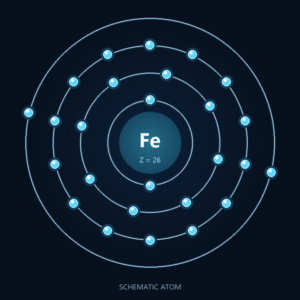 MineralsIronEstablished nutrient role
What it does
Iron helps hemoglobin carry oxygen and myoglobin handle oxygen within muscle. It also participates in metabolic enzymes. Transferrin transports iron, ferritin stores it, and the hormone hepcidin regulates absorption and distribution. Meat and seafood contain heme and nonheme iron, while plants and fortified foods provide nonheme iron. Vitamin C can improve nonheme absorption; food composition changes how much is absorbed.
What the evidence shows
Correcting confirmed iron deficiency can improve deficiency-related anemia and symptoms. However, not all anemia or fatigue is caused by low iron. Ferritin can rise during inflammation, so interpretation may require additional blood measurements and clinical history. Ferrous sulfate, gluconate and other preparations differ in elemental iron and tolerability. A product's total salt weight is not the amount of iron it supplies.
Safety & important context
Iron can cause nausea, constipation and abdominal discomfort, and accidental poisoning is particularly dangerous for children. People with iron-overload disorders can be harmed by unnecessary supplementation. Iron also interferes with absorption of levothyroxine and some medicines. Recurrent deficiency requires investigation of causes such as blood loss, inadequate intake or malabsorption.
Schematic atom, not to scale; dietary forms differ.
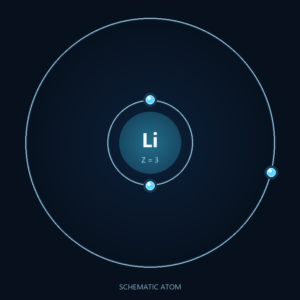 MineralsLithiumPrescription medicine; supplement evidence limited
Alternate names & related search terms: lithium orotate, lithium carbonate
What it does
Lithium is a naturally occurring element with pharmacological effects on cellular signaling. The precise mechanism underlying its mood-related therapeutic effects is not fully established, and it is not a conventional vitamin-like fuel. It has no established daily nutritional requirement. Prescription lithium carbonate and marketed lithium-orotate products are different formulations, and their salt weights do not directly state the amount of elemental lithium.
What the evidence shows
Prescription lithium has established psychiatric uses under medical supervision. These clinical benefits do not validate consumer products for general mood support, longevity or cognitive enhancement. Observational studies involving trace lithium in water cannot establish that a supplement causes better health. Changing the salt does not prove improved safety or remove the need to understand exposure.
Safety & important context
Prescription lithium has a boxed toxicity warning and requires blood-level, kidney and thyroid monitoring. Toxicity can occur near therapeutic concentrations. Dehydration, changes in sodium balance, kidney impairment, diuretics, NSAIDs and renin-angiotensin-system medicines can increase risk. Tremor, vomiting, confusion or coordination problems during lithium exposure warrant prompt medical attention. Products should not be substituted or combined independently.
Schematic atom, not to scale; dietary forms differ.
 MineralsMagnesium and magnesium glycinateEstablished nutrient role
Alternate names & related search terms: magnesium glycinate, magnesium citrate, magnesium oxide
What it does
Magnesium helps hundreds of enzymes function, including reactions that use ATP. It supports protein and nucleic-acid synthesis, ion transport, nerve signaling, muscle contraction and normal heart rhythm. Most body magnesium is in bone or cells rather than blood. Leafy vegetables, nuts, seeds, legumes and whole grains provide it. Kidney regulation helps maintain balance, although losses and gastrointestinal absorption also matter.
What the evidence shows
Magnesium glycinate, citrate and oxide describe different compounds supplying the same essential mineral. Solubility influences absorption; several soluble salts are better absorbed than oxide in small studies. The label's elemental magnesium is distinct from total compound weight. A glycinate label alone does not prove superior sleep or anxiety outcomes. Serum magnesium is useful clinically but cannot completely describe tissue stores, so symptoms and risk factors also inform assessment.
Safety & important context
Supplemental magnesium and magnesium-containing laxatives can cause diarrhea. Kidney impairment increases the risk of accumulation, which can affect blood pressure, muscles and heart rhythm. Magnesium can bind certain antibiotics and interfere with osteoporosis medicines. Diuretics and prolonged proton-pump-inhibitor use can also change magnesium status, so the entire medication list matters.
Explore the sources
Link to this entrySchematic atom, not to scale; dietary forms differ.
 MineralsManganeseEstablished nutrient role
What it does
Manganese is a cofactor for enzymes involved in carbohydrate and amino-acid metabolism, bone formation and cellular redox balance. Mitochondrial manganese superoxide dismutase converts superoxide into hydrogen peroxide, which other systems must then process. This is one part of a coordinated defense, not an unlimited antioxidant shield. Whole grains, nuts, legumes and tea provide manganese, and the liver eliminates most absorbed manganese through bile.
What the evidence shows
The essential biochemical role is established, but deficiency is very uncommon and human supplementation evidence is limited. Supplying extra manganese has not established improved mitochondrial performance or general cognitive benefit in well-nourished adults. Blood manganese measurements are not straightforward markers of nutritional status, and an isolated result cannot reliably define a personal requirement.
Safety & important context
Excess manganese can harm the nervous system. Occupational inhalation exposure and contaminated water are important contexts, while concentrated supplements add another potential source. Liver disease can impair elimination, and iron deficiency can increase absorption. A product promoted for antioxidant enzymes should be assessed for total exposure rather than assuming an essential mineral is harmless at any intake.
Schematic atom, not to scale; dietary forms differ.
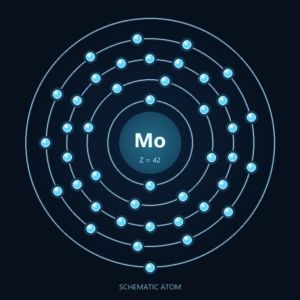 MineralsMolybdenumEstablished nutrient role
What it does
Molybdenum becomes part of a cofactor used by a small group of enzymes. Sulfite oxidase helps convert sulfite to sulfate; xanthine oxidoreductase participates in purine breakdown; other molybdenum-dependent enzymes process selected metabolites. Legumes, grains and nuts can provide it, with food content influenced by soil. The kidneys regulate elimination, and ordinary mixed diets generally supply the small physiological requirement.
What the evidence shows
Its biochemical role is established, but nutritional deficiency is extremely rare. Inherited molybdenum-cofactor disorders are distinct diseases and are not equivalent to simply eating too little molybdenum. Likewise, an enzyme's ability to process sulfite does not demonstrate that a supplement treats every sulfite sensitivity, headache or supposed toxin exposure. Human trials do not establish a broad detoxification or energy benefit in adequately nourished people.
Safety & important context
Excessive intake can be harmful; high exposure has been associated with elevated uric acid and gout-like symptoms in some settings. Routine blood testing is not an established way to fine-tune personal supplementation. Complex neurological or metabolic symptoms need investigation of the underlying cause rather than assumptions based on one enzyme pathway.
Schematic atom, not to scale; dietary forms differ.
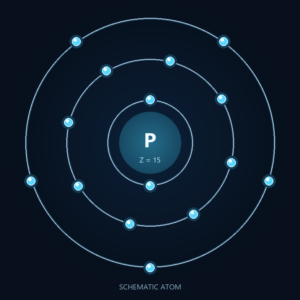 MineralsPhosphorusEstablished nutrient role
What it does
Phosphorus appears mainly as phosphate in the body. It is part of ATP, DNA, RNA, membrane phospholipids and bone mineral, and phosphate attachment helps regulate many proteins. Calcium and phosphorus balance are coordinated by the kidneys, intestines, bone and hormones. Dairy foods, meats, legumes and grains supply phosphorus. Some processed foods also contain inorganic phosphate additives that are readily absorbed.
What the evidence shows
Its essential structural and metabolic functions are established. Plant phosphorus bound in phytate is generally less available than many phosphate additives, so equal total amounts on paper need not produce equal absorption. Deficiency is uncommon with an ordinary mixed diet and is more often associated with unusual clinical circumstances. Being a component of ATP does not mean extra phosphorus increases everyday energy or exercise performance.
Safety & important context
Reduced kidney function can impair phosphate removal and disturb bone and vascular mineral balance. Some phosphate-containing laxatives or other medical products can create a very different exposure from food. Phosphate binders and antacids affect absorption, while severe shifts during treatment of malnutrition require clinical monitoring rather than self-directed supplementation.
Schematic atom, not to scale; dietary forms differ.
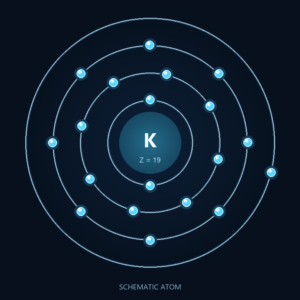 MineralsPotassiumEstablished nutrient role
What it does
Potassium is the main positively charged ion inside cells. The sodium-potassium pump maintains its gradient across membranes, allowing nerves to signal and muscles, including the heart, to contract normally. Potassium also helps regulate fluid distribution. Beans, potatoes, vegetables, fruit, dairy and other foods supply it. The kidneys adjust potassium excretion, making kidney function central to its balance.
What the evidence shows
Potassium-rich dietary patterns can support blood-pressure control, particularly where sodium intake is high. That evidence concerns an overall diet and does not establish a need for concentrated potassium in every person. Low blood potassium often reflects gastrointestinal losses, medicines or other clinical causes rather than simply a lack of bananas. Potassium chloride, citrate and other salts deliver potassium but have different additional chemical components.
Safety & important context
Both low and high blood potassium can cause dangerous heart-rhythm disturbances. Kidney disease, ACE inhibitors, angiotensin-receptor blockers and potassium-sparing diuretics can reduce the margin for additional potassium. Salt substitutes may contain substantial potassium even when described as healthier alternatives. Electrolyte products should therefore be considered alongside medication use and kidney function, not just exercise habits.
Schematic atom, not to scale; dietary forms differ.
 MineralsSeleniumEstablished nutrient role
What it does
Selenium is incorporated into selenoproteins, including glutathione peroxidases and enzymes involved in thyroid-hormone metabolism. These proteins help process peroxides and support regulated cellular redox activity. Selenium is not the metal cofactor of superoxide dismutase, whose human forms use copper and zinc or manganese. Seafood, meat, eggs and plant foods supply selenium, but plant content depends strongly on soil conditions.
What the evidence shows
Adequacy supports normal physiology, while extra selenium does not automatically increase antioxidant protection once requirements are met. Large prevention studies have not established a broad cancer-prevention benefit. Changes in thyroid antibodies or laboratory markers should not be equated with a demonstrated improvement in symptoms or long-term disease outcomes. Selenomethionine and inorganic selenium forms differ chemically but ultimately contribute to selenium metabolism.
Safety & important context
Excess selenium can cause hair loss, brittle nails, gastrointestinal symptoms and neurological problems. Brazil nuts can supply unusually high and variable amounts, so food and supplement exposure should be considered together. A combination antioxidant product can duplicate selenium already present in a multivitamin. More is not a reliable way to improve mitochondrial function.
Schematic atom, not to scale; dietary forms differ.
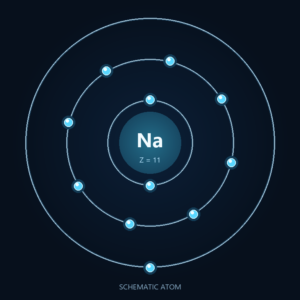 MineralsSodiumEstablished nutrient role
Alternate names & related search terms: Sodium ion, Na+
What it does
Sodium is the main positively charged ion in extracellular fluid. It helps maintain fluid volume and supports nerve impulses, muscle activity and transport of nutrients across cell membranes. The sodium-potassium pump maintains important gradients between cells and their surroundings. Table salt contains sodium and chloride, so salt weight is not sodium weight. Packaged foods, restaurant meals and condiments often contribute more sodium than a saltshaker alone.
What the evidence shows
Its physiological role is established. Reducing excessive sodium intake can lower blood pressure, particularly in susceptible populations. However, the benefit of correcting excess does not mean sodium should be eliminated. Substantial sweating, illness and selected medical conditions alter fluid and electrolyte management. An electrolyte beverage is not automatically an energy aid for ordinary daily activity.
Safety & important context
Blood sodium reflects water balance as well as sodium handling, so a low result is not simply proof that a person needs more salt. Both very low and very high levels can be dangerous. Heart failure, kidney disease, diuretics and other medicines change the clinical picture, and major abnormalities require supervised assessment.
Explore the sources
Link to this entrySchematic atom, not to scale; dietary forms differ.
 MineralsSulfur and sulfateEstablished biochemical role
Alternate names & related search terms: sulphur, sulfate, sulphate
What it does
Sulfur is part of methionine and cysteine, the vitamins thiamine and biotin, and many other biological molecules. Breakdown of sulfur-containing amino acids supplies sulfate. Cells use activated sulfate in reactions that help form compounds such as chondroitin sulfate and modify other molecules. Dietary protein therefore contributes sulfur needs, while food and drinking water can also supply inorganic sulfate.
What the evidence shows
These biochemical roles are established. The National Academies did not set a separate sulfate requirement because adequate sulfur-amino-acid intake supplies physiological needs in healthy people. This is not evidence that elemental sulfur or a generic sulfur detox product improves health. A named compound such as MSM, cysteine or a sulfate salt has its own chemistry and requires its own clinical evidence.
Safety & important context
High sulfate concentrations in drinking water can cause diarrhea, particularly in susceptible infants. Sulfur, sulfate, sulfite preservatives and sulfonamide medicines are different categories; a reaction to one does not automatically establish reactions to all. The accompanying mineral in a sulfate salt can also matter. Allergy histories should describe the actual substance and reaction rather than a blanket sulfur allergy.
Schematic atom, not to scale; dietary forms differ.
 MineralsZincEstablished nutrient role
What it does
Zinc supports enzymes, DNA and protein synthesis, cell signaling, immune function, taste and wound biology. The body regulates intestinal absorption and losses rather than storing a large dedicated reserve. Oysters, meat and other animal foods are rich sources; beans, nuts and whole grains also contribute. Phytate in some plant foods can reduce absorption, although preparation and the overall diet influence availability.
What the evidence shows
Deficiency correction is established and can address deficiency-related growth, immune or skin problems. Research on zinc lozenges for colds concerns specific formulations and circumstances, not all zinc tablets. Similarly, a wound-healing role does not establish that extra zinc accelerates healing in people with adequate status. Gluconate, citrate and other salts should be compared by elemental zinc, not just total compound weight.
Safety & important context
Excessive sustained zinc can reduce copper absorption, leading to anemia and neurological problems. Nausea and digestive symptoms are common concerns with concentrated products. Oral zinc interacts with certain antibiotics and penicillamine, while intranasal zinc has been linked to loss of smell. Exposure from multiple supplements or zinc-containing denture adhesives can add up.
Explore the sources
Link to this entryStylized zinc metal illustration; dietary forms differ.
Herbs & botanicalsAbscess rootlimited or uncertain
Alternate names & related search terms: Abscess-root, Possible Polemonium reptans
What it does
The common name supplied in the intake is not enough to confirm a botanical product. Polemonium reptans is a possible intended plant, but a label or botanical identification is needed before assigning that identity. It should not be confused with Valeriana officinalis merely because some names contain valerian.
What the evidence shows
The cited university source describes Polemonium reptans as a plant, not as a clinically established treatment. This entry does not identify reliable clinical evidence supporting an abscess treatment or other therapeutic claim. A traditional or evocative common name is not proof of a medical effect.
Safety & important context
Safety, medicine interactions, preparation, and the relevant plant part remain unresolved without a confirmed identity. An abscess can require medical treatment; the name of this plant should never imply that applying or ingesting it is appropriate care.
Herbs & botanicalsAcailimited or uncertain
Alternate names & related search terms: Açaí, Euterpe oleracea
What it does
Acai is the fruit of a tropical palm and can be consumed as food or included in powders, extracts, and beverages. The food's constituents and laboratory antioxidant activity are reasons for research, not proof of detoxification, anti-aging, or weight loss. Products also vary in added sugars, other ingredients, and processing, so an extract and a sweetened acai bowl are not nutritionally equivalent.
What the evidence shows
NCCIH finds insufficient reliable evidence for a specific health-related use. Several small studies have measured antioxidant-related markers, but these do not establish meaningful disease prevention or a weight-loss effect. Advertising that moves directly from an antioxidant assay to a promised human outcome skips important steps in the evidence. A fruit can fit into a varied diet without having a special therapeutic effect.
Safety & important context
Safety evidence for concentrated products is limited. Raw fruit or juice can carry parasites, and contaminated juice has been associated with Chagas disease outbreaks. Acai may affect gastrointestinal MRI results, so its use should be disclosed before relevant imaging. Possible effects on glucose deserve attention alongside diabetes medicines. Pregnancy and breastfeeding safety for concentrated preparations is not well established.
Herbs & botanicalsAmerican white water lilylimited or uncertain
Alternate names & related search terms: Nymphaea odorata, Fragrant water lily
What it does
American white water lily is Nymphaea odorata, an aquatic perennial identified in the U.S. Geological Survey species record. It is not interchangeable with every plant called lotus or water lily. Scientific names matter because common names can cover different species with different chemistry.
What the evidence shows
The verified source establishes botanical identity and ecology, not therapeutic effectiveness. This entry does not identify adequate clinical evidence for a health benefit, so historical-use claims should not be presented as demonstrated effects in people. Research on another Nymphaea species cannot automatically be assigned to Nymphaea odorata.
Safety & important context
Safety information for concentrated preparations, pregnancy, breastfeeding, and interactions is insufficiently characterized here. An unidentified pond plant or herbal product should not be assumed edible or medically useful. Product-specific discussion would require species confirmation, plant part, processing, and appropriate human safety evidence.
Herbs & botanicalsAshwagandhahuman research
Alternate names & related search terms: Withania somnifera, Indian ginseng
What it does
Ashwagandha is Withania somnifera, an herb with a long history in Ayurvedic traditions. Root extracts, leaf-containing extracts, and different standardized preparations are not interchangeable. It is frequently called an adaptogen, but that term does not define one proven mechanism or guarantee resilience, hormonal balance, or universal stress relief. The useful scientific questions concern a particular formulation, a defined group of people, and a measured outcome.
What the evidence shows
Some human research supports possible improvements in stress and insomnia with particular preparations. Evidence for anxiety remains unclear, and NCCIH finds insufficient evidence for many other promoted uses, including cognition, athletic performance, and diabetes. Limited testosterone and fertility-related findings do not establish an appropriate treatment for infertility or low testosterone. Short studies also cannot answer whether continued use remains beneficial over years.
Safety & important context
Drowsiness and digestive symptoms occur, and rare liver-injury cases have been reported. Pregnancy, breastfeeding, thyroid disease, autoimmune disease, upcoming surgery, and hormone-sensitive prostate cancer raise important concerns. Interactions can involve thyroid medicines, sedatives, anticonvulsants, immunosuppressants, and blood-pressure or glucose-lowering medicines. Long-term safety is not well established.
Herbs & botanicalsBerberinehuman research
Alternate names & related search terms: Berberine hydrochloride, Berberine HCl
What it does
Berberine is a compound found in several plants, including barberry, goldenseal, and goldthread. A purified berberine preparation is not the same as a whole-plant extract containing many other substances. Research examines metabolic effects, but calling it natural does not make it equivalent to a prescription weight-loss medicine or establish an interchangeable clinical effect.
What the evidence shows
Some studies suggest modest reductions in glucose or cholesterol in certain populations. For weight loss, NCCIH finds that rigorous clinical evidence is insufficient. Differences in study quality, formulation, and accompanying treatments limit broad conclusions. Improvements in a laboratory value do not automatically demonstrate fewer heart attacks, longer life, or durable weight reduction. Results from one compound should not be transferred to every plant that contains it.
Safety & important context
Abdominal pain, nausea, vomiting, constipation, and diarrhea can occur. Berberine can interact with medicines and should be reviewed particularly carefully when glucose-lowering or other prescribed treatments are involved. It should not be used during pregnancy or breastfeeding or given to infants because of concerns including newborn jaundice and kernicterus. It is not an appropriate self-directed substitute for diabetes or weight-management care.
Herbs & botanicalsBlack cohoshhuman research
Alternate names & related search terms: Actaea racemosa, Cimicifuga racemosa
What it does
Black cohosh is a botanical usually studied as an extract of its underground parts. It is not the same plant as blue cohosh. Extracts and combination menopause products vary in composition, and their proposed biological effects should not be assumed to be equivalent to estrogen replacement. Correct botanical identification is especially important because some commercial products have contained unexpected species or unlisted ingredients.
What the evidence shows
Human studies suggest possible benefit for some menopausal symptoms, particularly hot flashes, but results depend on the preparation and study. A review discussed by NCCIH found potential benefit for overall symptoms without clear improvement in anxiety or depression. Evidence for hot flashes related to breast-cancer treatment remains uncertain, and other uses lack sufficient reliable data. These findings do not establish benefit for every marketed menopause blend.
Safety & important context
Liver damage, occasionally serious, has been reported in people taking products labeled black cohosh, although causation and possible adulteration remain uncertain. Dark urine, jaundice, or marked fatigue warrant prompt assessment. Safety in hormone-sensitive conditions is not established. Pregnancy, breastfeeding, and medication use require professional review. Blue cohosh has separate, potentially serious risks and must not be substituted.
Herbs & botanicalsBlack garlichuman research
Alternate names & related search terms: Aged black garlic, Allium sativum
What it does
Black garlic is a processed garlic food or ingredient, not a separate botanical species. Heat, moisture, and aging change its flavor and chemical profile. It should not be treated as interchangeable with raw garlic, garlic oil, or every product described as aged garlic extract. A research result belongs to the characterized preparation that investigators actually used.
What the evidence shows
In a randomized, placebo-controlled study in people with mildly elevated cholesterol, an aged black garlic preparation changed some measures, including HDL cholesterol and apolipoprotein B. However, it did not significantly improve LDL cholesterol, total cholesterol, or triglycerides compared with placebo. Those mixed findings matter: a favorable result in one marker does not establish overall cardiovascular protection, and the study did not show fewer heart attacks or strokes.
Safety & important context
The trial reported no adverse effects, but its small size and limited duration cannot establish safety for every person or formulation. A history of garlic allergy or the use of medicines warrants individualized product review. Concentrated extracts should not be assumed equivalent to ordinary food portions. Product-specific evidence is needed before transferring a health claim from one black garlic preparation to another.
Herbs & botanicalsBoswelliahuman research
Alternate names & related search terms: Boswellia serrata, Indian frankincense, Frankincense
What it does
Boswellia supplements generally use resin extracts from Boswellia species, particularly Boswellia serrata. Resin extracts, isolated constituents, and aromatic essential oils are different materials. Research into inflammatory signaling provides a scientific rationale for study, but does not make every frankincense product an anti-inflammatory medicine. An extract used in a clinical trial cannot be replaced by an oil or incense merely because the plant name is similar.
What the evidence shows
Several small clinical studies suggest possible improvements in osteoarthritis pain or related symptoms. NCCIH emphasizes the need for larger, better-quality trials. Evidence for asthma, topical uses, and other proposed conditions remains insufficient. Small studies of swelling associated with brain-tumor care do not establish that boswellia treats cancer itself. Symptom changes and tumor responses are different outcomes and must not be conflated.
Safety & important context
Medicinal preparations need review alongside existing treatments, especially in people with asthma, cancer, or multiple medicines. Supplement findings should not be used to stop effective prescribed care. Long-term effects, product consistency, and safety in pregnancy or breastfeeding are not well established. Essential oils should not be assumed suitable for ingestion, and safety conclusions about a particular oral extract do not automatically cover other formulations.
Herbs & botanicalsChamomilehuman research
Alternate names & related search terms: German chamomile, Matricaria recutita, Matricaria chamomilla, Roman chamomile, Chamaemelum nobile
What it does
Chamomile refers to more than one plant, with German and Roman chamomile being distinct species. The familiar tea is different from a concentrated extract, mouthwash, essential oil, or combination remedy. Its traditional association with relaxation provides a reason for study, but it does not establish that all preparations treat anxiety or insomnia. Botanical identity and the route of use need to match the research.
What the evidence shows
Preliminary clinical studies suggest potential benefit from certain supplements for generalized anxiety symptoms. Evidence for insomnia is sparse and has not established a dependable effect. Studies of products that combine chamomile with other herbs cannot show that chamomile alone helps infant colic or diarrhea. Small mouthwash studies also do not establish broad benefits for other preparations or conditions.
Safety & important context
Allergic reactions can be serious, especially in people sensitive to ragweed, daisies, chrysanthemums, or related plants. Nausea and dizziness may occur, and use near the eyes can irritate them. Interactions have been reported with warfarin and medicines processed by the liver; additional caution applies with sedatives. Hormone-sensitive conditions and hormonal contraception warrant discussion with a clinician. Pregnancy and breastfeeding evidence remains limited.
Herbs & botanicalsCranberryhuman research
Alternate names & related search terms: Vaccinium macrocarpon
What it does
Cranberry products are studied mainly in relation to urinary tract infections. A proposed mechanism involves proanthocyanidins reducing the ability of certain bacteria to adhere to urinary-tract surfaces. This is not the same as killing an established infection. Juice, fruit, capsules, and extracts can differ greatly in these constituents, and the amount printed as cranberry extract alone does not fully describe the preparation.
What the evidence shows
Clinical evidence suggests a possible reduction in recurrent symptomatic urinary infections in some women, but results vary with the population and product. Findings are less consistent in some other high-risk groups. Cranberry is not recommended as a treatment for an existing urinary infection. A favorable prevention study therefore should not be interpreted as permission to replace prescribed antibiotics or delay diagnosis.
Safety & important context
Large amounts may cause digestive discomfort or diarrhea. Evidence about an interaction with warfarin is conflicting, so people using anticoagulants should have their products reviewed. Food use and concentrated supplements are different exposures, with less certainty about the latter during pregnancy or breastfeeding. Burning urination, fever, back pain, or other concerning urinary symptoms need medical assessment rather than reliance on cranberry.
Herbs & botanicalsEchinaceahuman research
Alternate names & related search terms: Purple coneflower, Echinacea purpurea, Echinacea angustifolia, Echinacea pallida
What it does
Echinacea is a group of plants rather than one interchangeable ingredient. Preparations may use different species, roots, above-ground parts, or mixtures. Laboratory research examines how their constituents and associated plant microbes affect immune responses. That research does not mean every extract strengthens every part of immunity or that more immune activity is always beneficial. The species, plant part, extraction method, and product tested all matter when interpreting a study.
What the evidence shows
Human studies mainly concern colds and other respiratory infections. NCCIH concludes that echinacea may slightly reduce the chance of catching a cold, while an effect on how long a cold lasts remains unclear. Evidence for eczema and most other proposed uses is insufficient. Findings from a particular preparation should not be treated as proof that another echinacea capsule, tea, or blend produces the same result.
Safety & important context
Digestive discomfort and allergic reactions, occasionally severe, are important concerns. Children can develop rashes. Potential interactions with immunosuppressants, caffeine, and some medicines processed by the liver require individualized review. Pregnancy and breastfeeding evidence is limited. Echinacea is not a replacement for medical assessment of serious or persistent respiratory symptoms.
Herbs & botanicalsElderberryhuman research
Alternate names & related search terms: Black elderberry, European elder, Sambucus nigra
What it does
Elderberry usually refers to the dark fruit of Sambucus nigra. The plant has a history of use for respiratory symptoms, but traditional use and laboratory observations are not the same as established clinical benefit. Commercial syrups, fruit extracts, gummies, and multi-ingredient products can differ substantially in processing and composition. A result from a specified extract cannot automatically be assigned to every product bearing the elderberry name.
What the evidence shows
Only a small number of clinical studies have evaluated colds, influenza, and other upper respiratory infections. Preliminary findings suggest possible symptom benefits, but the evidence is too limited to support broad prevention or treatment claims. NCCIH reports no good evidence supporting elderberry for COVID-19. Evidence is also insufficient for other health purposes. In a library, elderberry belongs under an uncertain research question, not a proven antiviral medicine.
Safety & important context
Raw or unripe berries and other plant parts can contain cyanide-producing substances and cause vomiting, diarrhea, or serious illness. Properly processed food is different from homemade use of unidentified plant material. Medication interactions need review. Safety during pregnancy and breastfeeding is insufficiently characterized, and a suspected infection should not be managed solely with a supplement.
Herbs & botanicalsGarlichuman research
Alternate names & related search terms: Allium sativum
What it does
Garlic is both a food and the source of multiple supplement preparations. Raw cloves, garlic powder, oils, and aged extracts have different chemical profiles. The organosulfur compounds present depend on processing and storage, so a study of one formulation does not describe every garlic product. Culinary garlic can contribute flavor to a varied diet without being treated as a substitute for a prescribed medicine.
What the evidence shows
Human studies suggest that certain supplements may modestly lower total or LDL cholesterol in people with elevated levels. There is limited evidence for small effects on blood pressure or glucose in relevant populations. These changes do not establish that a particular store product prevents heart attacks. Evidence for immune boosting is weak, and garlic has not been shown to prevent stomach cancer. Broader cancer-prevention claims remain unsupported.
Safety & important context
Breath or body odor, gas, nausea, abdominal discomfort, and allergy can occur. Garlic supplements may increase bleeding risk, especially with anticoagulants, aspirin, or surgery. Raw garlic applied to skin can cause chemical burns. Concentrated medicinal use is not equivalent to amounts in food, and pregnancy or breastfeeding safety at those exposures is uncertain.
Herbs & botanicalsGinkgo bilobahuman research
Alternate names & related search terms: Ginkgo, Maidenhair tree
What it does
Ginkgo research generally concerns characterized leaf extracts from Ginkgo biloba. Leaves, standardized extracts, seeds, and crude plant preparations should not be treated as the same substance. Claims about circulation or antioxidant activity are proposed explanations, not proof that ginkgo prevents memory loss. To evaluate a product, the relevant comparison is the actual tested extract and clinical outcome, rather than the presence of the plant name alone.
What the evidence shows
Large trials have not shown that ginkgo prevents dementia or slows its progression. The NIH-supported Ginkgo Evaluation of Memory study followed more than 3,000 older adults and found no reduction in dementia incidence. Some studies suggest modest symptom effects in established dementia, but findings are inconsistent. Evidence for cognitive enhancement in healthy people is uncertain. NCCIH does not consider the overall evidence conclusive for any health condition.
Safety & important context
Headache, dizziness, and digestive symptoms can occur. Ginkgo can increase bleeding risk with anticoagulants and may interact with other medicines. Seeds and crude plant material can be toxic, even though processed leaf extracts are what many studies use. Pregnancy may carry bleeding or labor-related risks, and breastfeeding safety remains uncertain. Memory changes deserve assessment rather than a supplement-only response.
Herbs & botanicalsGinsenghuman research
Alternate names & related search terms: Asian ginseng, Korean ginseng, Panax ginseng, American ginseng, Panax quinquefolius
What it does
Ginseng is a naming family that requires species identification. Asian or Korean ginseng is Panax ginseng; American ginseng is Panax quinquefolius. Products called Siberian ginseng or Indian ginseng involve different plants and should not inherit Panax research findings. Even within Panax, processing into red or white ginseng and the extract composition change the material being studied. A generic claim about ginseng can therefore hide meaningful differences.
What the evidence shows
For Asian ginseng, studies suggest possible small effects on general fatigue and some other outcomes, but findings are mixed. Research on blood-glucose control is inconclusive, and most evidence does not support improved athletic performance. Cognitive and sexual-function findings need to be understood in the populations and preparations actually tested. Results from combination formulas cannot isolate the contribution of ginseng itself, and findings for one species should not be transferred to another.
Safety & important context
Insomnia is a common adverse effect. Blood clotting, glucose levels, and autoimmune conditions can be affected, creating potential interactions with medicines. Rash, severe allergy, and liver problems have been reported. Pregnancy, breastfeeding, childhood use, and long-term use have insufficient safety evidence. Product labels should identify the botanical species and extract.
Herbs & botanicalsGrape seed extracthuman research
Alternate names & related search terms: Vitis vinifera seed extract, Proanthocyanidin extract
What it does
Grape seed extract is made from grape seeds and contains a mixture of plant compounds, including proanthocyanidins. It is distinct from grape seed oil, grapes as food, grape skin extract, and isolated resveratrol. Laboratory antioxidant activity is a chemical property, not a direct measurement of how much a supplement improves health. Extract composition and the endpoint being measured are essential to interpreting the evidence.
What the evidence shows
Small human studies have examined blood pressure and blood lipids. Reviews summarized by NCCIH suggest possible effects on some lipid measurements or diastolic blood pressure, but results vary and are not definitive. Studies used differing products, which limits comparisons. Evidence for wound healing and oral-health benefits is much more limited in people than marketing language may suggest. These findings do not establish prevention of cardiovascular disease or a replacement for established treatment.
Safety & important context
Available studies describe generally reasonable tolerability, but limited evidence does not prove long-term safety for every extract. Medicines and supplements should be reviewed together because interactions are possible. Pregnancy and breastfeeding safety is not established. Product identity matters: an oil, capsule, and mouthwash may contain different constituents and should not share unsupported claims.
Herbs & botanicalsMilk thistlehuman research
Alternate names & related search terms: Silybum marianum, Silymarin
What it does
Milk thistle is a plant whose fruit extracts contain a mixture often called silymarin. Silymarin is therefore not a single synonym for the entire plant. Laboratory antioxidant or cellular effects have led to research in liver and metabolic conditions, but laboratory protection does not demonstrate that a supplement cleanses the liver, reverses injury, or makes harmful exposures safe.
What the evidence shows
Clinical studies of liver disease are conflicting or too limited for firm conclusions. NCCIH-funded studies in hepatitis C and nonalcoholic steatohepatitis did not show benefit from silymarin supplementation. Some small studies suggest effects on glucose control, but they are not sufficient to replace established diabetes treatment or generalize across all populations. Evidence for increasing breast-milk production is also unclear.
Safety & important context
Digestive symptoms such as bloating, gas, and nausea are common adverse effects. Allergy is possible, particularly with sensitivity to related plants. Product-quality studies have found incorrect silymarin amounts and contamination, so the word natural does not resolve quality concerns. Medicines should be reviewed for interactions. Pregnancy and breastfeeding safety remains uncertain. Suspected liver disease requires diagnosis rather than self-treatment with a liver-support label.
Herbs & botanicalsRed yeast ricehuman research
Alternate names & related search terms: Red mold rice, Monascus purpureus
What it does
Red yeast rice is rice fermented with a fungus, commonly Monascus purpureus. Some preparations contain monacolin K, a substance structurally identical to the cholesterol medicine lovastatin. This explains why certain products can affect cholesterol synthesis and why they may share statin-related risks. Fermentation does not make the pharmacologically active ingredient fundamentally different from the medicine.
What the evidence shows
Products with meaningful monacolin K content can lower cholesterol, but commercial content varies greatly and is often not stated. Results from a characterized preparation do not establish the benefit of an unknown retail product. NCCIH notes that products with enhanced or added lovastatin cannot legally be marketed as dietary supplements in the United States. Products with little monacolin K have uncertain efficacy.
Safety & important context
Potential harms include muscle injury, liver problems, kidney injury, and drug interactions similar to those of statins. Some preparations also contain citrinin, a kidney-toxic contaminant. A natural label therefore does not make red yeast rice a risk-free alternative for someone who cannot tolerate a statin. Pregnancy and breastfeeding use is not recommended, and medicine combinations require professional review.
Herbs & botanicalsSaw palmettohuman research
Alternate names & related search terms: Serenoa repens
What it does
Saw palmetto is a palm whose fruit is processed into extracts commonly marketed for prostate or urinary symptoms. Products differ in solvents, fatty-acid content, and other ingredients. Marketing language about hormones or prostate support should be distinguished from demonstrated improvements in symptoms. Urinary problems can have several causes, and the presence of an enlarged prostate does not establish that a botanical will help.
What the evidence shows
High-quality clinical evidence is largely disappointing. NCCIH reports that a 2023 review of 27 studies found little or no benefit when saw palmetto was used alone for benign prostatic enlargement symptoms. NIH-funded trials also found no symptom improvement, including one using progressively larger amounts. Research does not show a clear advantage for hexane-extracted products. Evidence for hair loss is too limited for firm conclusions.
Safety & important context
Digestive symptoms, dizziness, and headache may occur. Pregnancy and breastfeeding use may be unsafe. Saw palmetto does not appear to meaningfully alter PSA readings, but that does not make it a prostate-cancer screening tool. New difficulty urinating, blood in urine, or worsening symptoms require clinical evaluation. Combination products require separate review because other ingredients can add risks.
Herbs & botanicalsSt. John's worthuman research
Alternate names & related search terms: Hypericum perforatum, Hypericum
What it does
St. John's wort is Hypericum perforatum, usually studied as a specified oral extract. It is pharmacologically active and cannot be understood merely as a gentle herbal tea. Different extracts may contain different amounts of active constituents, so results are not automatically transferable between products. Its capacity to alter how the body handles medicines is as clinically important as its proposed mood effects.
What the evidence shows
Clinical studies support benefit for some people with mild or moderate depression, with uncertainty for severe illness and long-term outcomes. Evidence for other promoted uses is much weaker. This does not make it appropriate to diagnose or treat depression without professional assessment. Depression can involve serious risks and other underlying conditions, and research findings about selected trial participants do not identify the right option for an individual.
Safety & important context
Interactions can be dangerous. St. John's wort can weaken birth-control pills, transplant medicines, some cancer and HIV medicines, seizure medicines, warfarin, and other treatments. Combining it with medicines affecting serotonin can produce serious serotonin-related toxicity. Sun sensitivity, sleep disturbance, dizziness, and digestive symptoms occur. Pregnancy and breastfeeding raise additional concerns. A pharmacist or prescriber should evaluate the full medication list before use.
Herbs & botanicalsTurmeric and curcuminhuman research
Alternate names & related search terms: Curcuma longa, Curcuma domestica, Turmeric root, Curcuminoids, Curcumin
What it does
Turmeric is the rhizome, or underground stem, of a plant in the ginger family. Curcumin is one of its curcuminoids and contributes its yellow color. Whole culinary turmeric, standardized curcuminoid extracts, and formulations designed for increased absorption are different exposures. Some products add piperine from black pepper or use other delivery technologies. Their composition and absorption characteristics are essential to understanding a study rather than assuming all turmeric products are equivalent.
What the evidence shows
Clinical research includes knee osteoarthritis, fatty liver conditions, blood lipids, and oral inflammation during cancer treatment. Some findings, especially for osteoarthritis symptoms, are promising, but NCCIH concludes that more rigorous evidence is needed for firm health-benefit claims. Changes in an inflammatory laboratory marker do not themselves establish disease prevention. Culinary use also does not establish the effectiveness of concentrated curcumin supplements.
Safety & important context
Nausea, reflux, diarrhea, constipation, and skin reactions can occur. Liver injury has been reported with some enhanced-bioavailability products. Concentrated products warrant particular caution with existing liver problems or medicines, and use during pregnancy may be unsafe. Greater absorption is not automatically greater safety or greater clinical benefit.
Herbs & botanicalsValerian roothuman research
Alternate names & related search terms: Valeriana officinalis, Valerian
What it does
Valerian is an herb whose underground parts are used in teas and extracts marketed for sleep or relaxation. The preparation matters: a dried-root tea, a particular extract, and a mixed sleep formula do not contain identical constituents. A plausible calming mechanism in laboratory work is not equivalent to demonstrated improvement in chronic insomnia, daytime function, or overall sleep quality.
What the evidence shows
Human studies of sleep have produced inconsistent results. NCCIH notes that the American Academy of Sleep Medicine recommended against valerian for chronic insomnia in its cited clinical guideline. Small studies of menopausal symptoms do not establish a reliable benefit, and evidence for anxiety, depression, stress, and menstrual complaints is insufficient. If a multi-ingredient product is studied, its effects cannot automatically be attributed to valerian alone.
Safety & important context
Valerian may cause headache, stomach upset, mental dullness, vivid dreams, or paradoxical excitability. Combining it with alcohol or sedatives can increase impairment. Long-term safety is uncertain, and abrupt discontinuation after prolonged use has been associated with withdrawal symptoms. Rare liver injury has been reported, often with mixtures. Persistent insomnia merits evaluation for contributing health conditions and medication effects; pregnancy and breastfeeding safety is not established.
MushroomsAgaricus mushroomshuman research
Alternate names & related search terms: Agaricus bisporus, Agaricus blazei, Agaricus subrufescens
What it does
Agaricus is a genus, not a single supplement ingredient. The familiar button mushroom is Agaricus bisporus. Research on products described as Agaricus blazei or Agaricus subrufescens concerns different materials and should not automatically be assigned to button mushrooms or every Agaricus extract. Product labels need to specify the species and preparation before a research claim can be evaluated.
What the evidence shows
A small randomized study tested an Agaricus blazei extract alongside existing diabetes medicines and found a change in an insulin-resistance estimate. It did not show that the extract could replace those medicines or improve long-term clinical outcomes. A separate small study of a multivitamin product containing Agaricus found some immune-marker differences after lung-cancer surgery, but it could not isolate the mushroom's contribution and did not establish a clinical treatment benefit.
Safety & important context
Limited trial results do not establish safety across species, extracts, chronic use, or pregnancy. An apparent food history for one Agaricus species is not proof that another concentrated preparation is suitable. Medicines and underlying conditions need review, especially when a product is promoted for glucose or immune effects. Unidentified wild mushrooms should never be treated as interchangeable with cultivated food or research material.
MushroomsChagalimited or uncertain
Alternate names & related search terms: Inonotus obliquus
What it does
Chaga is a fungus associated with trees, commonly sold as powders, teas, and extracts. Laboratory antioxidant or anti-inflammatory observations are frequently used in marketing, but those experiments do not establish that drinking an extract prevents disease or treats cancer. Product composition and processing can substantially change exposure, and a traditional-use history cannot substitute for clinical outcome studies.
What the evidence shows
This entry does not establish a proven therapeutic benefit in humans. An especially important part of the human evidence is the publication of kidney-injury cases associated with chaga consumption. Case reports cannot determine how often a problem occurs, but they can identify serious risks that small supplement trials might miss. They therefore deserve attention alongside claims about potential benefits.
Safety & important context
Chaga can contain substantial oxalate. Published cases describe calcium-oxalate crystal deposition and serious kidney injury after substantial, sustained intake. People with kidney disease or stone risk should not assume that a mushroom beverage is harmless. The cited case also involved vitamin C, underscoring the need to assess the whole supplement history. There is insufficient evidence to identify a universally safe preparation or exposure, and pregnancy or medication-interaction safety is not established here.
MushroomsCordycepshuman research
Alternate names & related search terms: Cordyceps militaris, Ophiocordyceps sinensis, Cordyceps sinensis
What it does
Cordyceps is used as a commercial umbrella name for different fungi and cultured preparations. Cordyceps militaris and Ophiocordyceps sinensis are not interchangeable species. Extracts, mycelial materials, and multi-mushroom blends can differ substantially. Claims about oxygen use, energy, or exercise performance need to be tied to the actual preparation rather than the common name.
What the evidence shows
A small randomized study examined a blend containing Cordyceps militaris. Its main comparisons did not show significant effects after one week. An exploratory extension involving fewer participants reported some favorable exercise measures after longer use. The small sample, short duration, and mixed formulation make the result preliminary; the effects cannot be assigned to cordyceps alone. The study does not establish treatment of fatigue from illness or a substitute for training.
Safety & important context
Limited trial evidence does not define safety during long-term use, pregnancy, or complex medication treatment. A product's exact species, fungal part, and additional ingredients should be checked. Allergy, unexpected ingredients, and inconsistent composition are relevant concerns. Advertising that turns a small exercise study into a guaranteed endurance or oxygenation claim overstates the available evidence.
MushroomsLion's manehuman research
Alternate names & related search terms: Hericium erinaceus, Yamabushitake
What it does
Lion's mane is an edible mushroom also studied in concentrated preparations. Whole mushroom powder, fruiting-body extracts, and cultured mycelium preparations are different materials. Researchers investigate possible nervous-system effects, but an experimental effect in cells does not establish regrowth of human nerves or treatment of a neurodegenerative disease. Product identification is especially important when advertising moves between different mushroom parts and extracts.
What the evidence shows
A small double-blind trial in 30 people with mild cognitive impairment reported improvements on a cognitive scale during supplementation, with scores declining after it stopped. That finding supports further research, but the small study does not establish prevention of dementia or a general cognitive benefit for healthy people. A selected test score is also different from a demonstrated improvement in independent daily functioning.
Safety & important context
The trial's limited safety findings cannot rule out uncommon reactions, long-term harms, or interactions in people taking multiple medicines. Mushroom allergy and product composition require attention. Memory problems should be assessed for reversible causes and underlying illness. Commercial claims of nerve repair, guaranteed focus, or replacement of neurological treatment go beyond what this study can establish.
MushroomsMaitakehuman research
Alternate names & related search terms: Grifola frondosa, Hen of the woods
What it does
Maitake is an edible mushroom also studied as polysaccharide-rich extracts. The food, a liquid extract, and a purified fraction should not share automatic health claims. Researchers are interested in how these preparations influence immune signaling. An immune response is complex, however, and stronger is not always better; different cellular responses can move in opposite directions.
What the evidence shows
A phase I/II study in 34 women previously treated for breast cancer measured immune responses to a particular maitake extract. Some immune parameters increased while others decreased, and responses were not simply proportional to exposure. The study was not designed to prove cancer prevention, tumor control, or longer survival. It is an important example of why the phrase immune booster can oversimplify the biology.
Safety & important context
Two participants withdrew with possibly related symptoms, including nausea, joint swelling, rash, or itching. A small early-phase study cannot establish long-term safety, safety in pregnancy, or compatibility with all treatments. Concentrated maitake products should be reviewed alongside medications and underlying conditions, particularly cancer or immune disorders. Eating a correctly identified culinary mushroom is a different exposure from using an experimental extract.
MushroomsOyster mushroomshuman research
Alternate names & related search terms: Pleurotus ostreatus, Pleurotus species
What it does
Oyster mushrooms are culinary fungi containing fiber, including beta-glucans, alongside other food constituents. Different Pleurotus species and concentrated extracts are not nutritionally identical. Research into gut responses to mushroom-containing meals helps explore food biology, but it should not be converted directly into claims that a supplement behaves like a weight-loss medicine.
What the evidence shows
A controlled crossover study examined responses to a single meal enriched with oyster-mushroom powder in adults with impaired glucose tolerance. A later analysis found that differences in GLP-1 response were associated with baseline gut-microbiota composition. The result concerns an acute meal response and a particular population. It does not demonstrate long-term weight loss, diabetes prevention, or equivalence to a GLP-1 receptor agonist. It also illustrates that people can respond differently to the same food intervention.
Safety & important context
Normal food use and concentrated products require different interpretations. Correct species identification, preparation, allergies, and additional ingredients matter. The cited study does not establish the safety of every extract, sustained high exposure, or use alongside all medicines. Foods can be useful components of a varied eating pattern without having a proven standalone therapeutic effect.
MushroomsReishihuman research
Alternate names & related search terms: Lingzhi, Ganoderma lucidum, Ganoderma species
What it does
Reishi describes products derived from Ganoderma mushrooms, often sold as extracts, powders, or preparations using different fungal parts. Species identification can be difficult, and not all products sold under the common name contain the same material. Polysaccharides and triterpenoids are studied for biological effects, but their presence does not establish a clinical benefit or justify describing a product as an immune cure.
What the evidence shows
A placebo-controlled trial in 84 people with type 2 diabetes and metabolic syndrome did not find improvement in glucose measures or other assessed cardiovascular risk factors with the studied intervention. Small cancer-related studies often measure immune markers and do not establish that ordinary reishi supplements treat cancer. The National Cancer Institute notes that reishi is not FDA-approved for cancer or other medical conditions.
Safety & important context
Evidence from a particular short trial does not establish long-term safety across all extracts. Product composition, other medicines, and the person's underlying conditions need review. People receiving cancer treatment should discuss supplements with their oncology team because laboratory immune activity is not a reason to replace treatment. Batch variation and uncertain identity complicate both efficacy and safety interpretation.
MushroomsShiitakehuman research
Alternate names & related search terms: Lentinula edodes
What it does
Shiitake is a culinary mushroom with a long food history, also used to produce concentrated extracts and isolated polysaccharides. These forms should not be treated as equivalent. Its cell-wall materials and other constituents are studied for interactions with the immune system, but a biologically interesting marker is not itself evidence that an illness is prevented.
What the evidence shows
A dietary study in 52 healthy adults measured immune-cell activity, salivary immunoglobulin A, and other markers before and after shiitake consumption. Some measurements changed, but the study compared two mushroom amounts rather than including a no-mushroom placebo group. It did not establish fewer infections, improved cancer outcomes, or a universal immune benefit. Results from whole-food consumption also cannot be transferred automatically to every concentrated capsule.
Safety & important context
Shiitake can cause an itchy, streak-like skin eruption in some people, reported particularly after raw or insufficiently cooked consumption. Allergy and individual tolerability also matter. A commercial extract may differ from the mushroom studied as food. People receiving treatment for serious illness should not interpret immune-marker findings as a reason to replace prescribed care, and long-term supplement safety is not established by a short dietary experiment.
MushroomsTremellahuman research
Alternate names & related search terms: Tremella fuciformis, Snow fungus, Silver ear
What it does
Tremella fuciformis is an edible fungus also investigated in extracts. Its polysaccharide-rich character is often discussed in food, cosmetic, and supplement research, but an ingredient's physical properties should not be confused with a demonstrated systemic health effect. A food, a topical product, and an oral extract involve different preparations and routes, so they need separate evidence.
What the evidence shows
An eight-week randomized trial in 75 people with subjective cognitive complaints reported improvements in some memory and executive-function measurements with the tested preparation. This is preliminary human evidence, not proof of dementia prevention or a broad enhancement effect in healthy people. The study's size, duration, specific population, and formulation limit how widely its results can be applied. It also does not establish that another tremella product produces the same effects.
Safety & important context
The trial found no overall difference in adverse-event frequency between groups, but that cannot rule out uncommon harms or establish long-term safety. Allergy, product identification, and other ingredients remain relevant. Safety during pregnancy, breastfeeding, or complex medication use is insufficiently characterized. Persistent memory complaints deserve assessment rather than assuming a mushroom supplement addresses their cause.
MushroomsTurkey tailhuman research
Alternate names & related search terms: Trametes versicolor, Coriolus versicolor
What it does
Turkey tail is Trametes versicolor, a fungus from which specific polysaccharide preparations have been developed. PSK, a characterized preparation used in Japanese cancer care, should not be equated with any retail turkey-tail powder, tea, or capsule. Mushroom species, cultivation, extraction, and chemical composition all affect what is being administered.
What the evidence shows
Some clinical research has evaluated PSK as an addition to conventional cancer treatment in specific settings. That is different from replacing cancer treatment with mushrooms. A small U.S. phase I study of a turkey-tail preparation mainly examined tolerability and immune measurements after breast-cancer treatment; it did not establish a survival benefit. Immune-cell changes alone are not proof of reduced recurrence or improved clinical outcomes. The FDA has not approved turkey tail or PSK as a cancer treatment in the United States.
Safety & important context
Few reported adverse effects in selected studies do not prove every commercial product is safe or equivalent. People with cancer, immunosuppression, or complex medicine regimens need coordinated clinical review before using concentrated preparations. The most important evidence distinction is between a studied extract used alongside care and an unverified supplement advertised as an independent therapy.
Amino acidsAcetyl-L-carnitineMixed, condition-specific human evidence
Alternate names & related search terms: ALCAR, Acetylcarnitine
What it does
Acetyl-L-carnitine is an acetylated form of carnitine involved in handling acetyl groups and cellular metabolism. It is related to L-carnitine but is not identical. Different carnitine forms have been studied for different neurological and metabolic questions.
What the evidence shows
Human research does not establish ALCAR as a universal cognitive enhancer. A positive result in a diagnosed condition cannot automatically be applied to healthy people. A randomized trial found that acetyl-L-carnitine worsened taxane-related neuropathy, an important counterexample to broad 'nerve repair' claims.
Safety & important context
People receiving cancer treatment should not use it to prevent nerve injury without their oncology team's direction. Digestive effects and other carnitine-related concerns still matter. Select a study matching the actual chemical form rather than relying on the broad word carnitine.
Amino acidsAcetyl-L-carnitine arginateSmall preliminary human trial
Alternate names & related search terms: ALCAR arginate, Acetyl carnitine arginate, ALCA
What it does
Acetyl-L-carnitine arginate is an arginine-containing form of acetyl-L-carnitine. Regular L-carnitine, acetyl-L-carnitine and its arginate form are related preparations, not names for exactly the same ingredient. The label must establish the actual compound and the amount supplied.
What the evidence shows
A small randomized study in people with prediabetes examined blood biomarkers over eight weeks. It does not prove that arginate is superior to ordinary ALCAR for cognition, energy or weight loss; it did not provide a direct head-to-head demonstration of those outcomes. A manufacturer rationale is not a clinical comparison.
Safety & important context
Product formulations may combine arginate with additional ALCAR. Amounts cannot be compared by capsule weight alone. Carnitine-related tolerability, medical treatment and the limited long-term evidence should be considered. Claims that arginate is automatically the 'stronger' or 'best' form are unsupported.
Amino acidsAlanineEstablished biological role; supplementation unproven
Alternate names & related search terms: L-alanine
What it does
Alanine is a protein-building amino acid the body can make. It participates in moving nitrogen from muscle to the liver and links amino-acid metabolism with the production of glucose. Its ordinary presence in food and tissues is different from using a concentrated single-amino-acid product.
What the evidence shows
These functions establish why alanine matters in normal physiology. They do not establish that isolated alanine produces weight loss, greater energy or better athletic results in an adequately nourished person. Overall protein and energy intake remain more informative than an alanine supplement claim.
Safety & important context
Alanine is not beta-alanine, the ingredient studied for muscle carnosine. A product should identify its actual form. People with kidney, liver or inherited amino-acid disorders need individualized advice before concentrated amino-acid use.
Amino acidsArginineEstablished biological role; supplementation unproven
Alternate names & related search terms: L-arginine
What it does
Arginine contributes to proteins, the urea cycle that processes nitrogen, and synthesis of nitric oxide and creatine. Nitric oxide helps regulate blood-vessel tone. Arginine is considered conditionally essential when growth or illness increases needs beyond the body's capacity to produce it.
What the evidence shows
The biochemical pathway makes an appealing sports-marketing story, but NIH's review finds little reliable improvement in exercise performance from extra arginine. A change in a hormone or blood marker is not the same as improved muscle growth. Clinical uses and combinations must be evaluated separately.
Safety & important context
Concentrated arginine may cause digestive symptoms and lower blood pressure. Medicines that lower blood pressure or affect nitric oxide merit interaction review. Disease-specific or hospital nutrition should not be copied into a self-directed supplement routine.
Amino acidsAsparagineEstablished biological role; supplementation unproven
Alternate names & related search terms: L-asparagine
What it does
Asparagine is a protein-building amino acid that healthy people can synthesize from aspartate. It carries an amide nitrogen and helps connect nitrogen handling with protein production. The word nonessential means dietary supply is not normally obligatory, not that its cellular function is unimportant.
What the evidence shows
There is no established general-wellness reason to isolate asparagine from an otherwise adequate protein intake. Research about asparagine metabolism in cancer or inherited disease concerns very different circumstances and does not establish benefits from supplementation or broad dietary restriction.
Safety & important context
Do not interpret laboratory studies of cancer-cell nutrients as instructions to starve a particular amino acid or treat cancer. Specialized metabolic disease can alter amino-acid handling. Such conditions require clinical nutrition expertise, not a generic amino-acid plan.
Amino acidsAspartateEstablished biological role; supplementation unproven
Alternate names & related search terms: Aspartic acid, L-aspartic acid
What it does
Aspartate is an amino acid used to assemble proteins and in pathways that process nitrogen and build nucleotides. It also participates in the malate-aspartate shuttle, which transfers reducing equivalents between cellular compartments for metabolism.
What the evidence shows
Normal metabolic importance does not mean an oral aspartate product increases energy in someone without a deficiency. L-aspartate in proteins must be distinguished from D-aspartic acid, a different stereochemical form frequently promoted in testosterone products. Their evidence and uses are not interchangeable.
Safety & important context
A label should name the form and any attached mineral, such as magnesium aspartate. The amount of a mineral salt is not automatically the amount of elemental mineral. Kidney disease, pregnancy and treatment with medicines warrant a product-specific review.
Amino acidsBeta-alanineHuman evidence specific to exercise context
Alternate names & related search terms: β-alanine
What it does
Beta-alanine is a non-protein amino acid used with histidine to make carnosine. Carnosine helps buffer acidity inside working muscle. This mechanism is relevant to particular high-intensity efforts, rather than to every form of exercise.
What the evidence shows
Supplementation can raise muscle carnosine, but improvements in actual performance depend on the test and training context. NIH describes inconsistent results in competitive events and little or no benefit for longer-duration activities. This is not a weight-loss ingredient or a substitute for training.
Safety & important context
Tingling or itching, called paresthesia, can occur and does not demonstrate that a product is effective. Long-term safety is less well characterized than short trials. Beta-alanine is chemically different from the protein-building amino acid L-alanine, despite the similar name.
Amino acidsCarnosineEarly human trials
Alternate names & related search terms: L-carnosine
What it does
Carnosine is a dipeptide built from beta-alanine and histidine, not a single amino acid. It is concentrated in skeletal muscle and contributes to buffering. Laboratory research also studies its reactions with oxidants and reactive carbonyl compounds.
What the evidence shows
A randomized trial in 43 adults with prediabetes or type 2 diabetes reported changes in parts of an oral glucose-tolerance test. This small, short study does not establish prevention of diabetes or a substitute for diabetes treatment. The effects of oral carnosine and beta-alanine should be evaluated separately.
Safety & important context
Claims of universal anti-aging or repair go beyond this evidence. Safety and effectiveness in pregnancy and chronic high exposure are not well established. People with diabetes should discuss supplements with their clinician rather than changing medication on the basis of a biomarker study.
Amino acidsCitrullineLimited human evidence
Alternate names & related search terms: L-citrulline, Citrulline malate
What it does
Citrulline participates in the urea cycle and can be converted to arginine, connecting it to nitric-oxide production. It is not one of the standard amino acids directly incorporated into proteins. Citrulline malate combines citrulline with malate, and products differ in their proportions.
What the evidence shows
Trials of exercise performance have produced mixed results. A rise in arginine or a change in blood flow does not guarantee better strength, recovery or endurance. A study of a specific citrulline-malate preparation cannot automatically support every product bearing that name.
Safety & important context
Digestive upset can occur. Because nitric-oxide pathways affect vascular tone, people using blood-pressure medicines or nitrates should discuss concentrated supplements with a clinician. Check the amount of actual citrulline rather than treating the total blend weight as citrulline.
Amino acidsCysteineEstablished biological role; supplementation unproven
Alternate names & related search terms: L-cysteine, Cystine
What it does
Cysteine is a sulfur-containing amino acid. Its sulfur groups can form disulfide bonds that help stabilize proteins. It is also one of the three amino-acid components used to make glutathione. Cystine consists of two cysteine molecules linked by a disulfide bond.
What the evidence shows
These structural and metabolic roles are established. Benefits from cysteine, cystine, NAC and glutathione cannot simply be transferred from one product to another. They are related but chemically different substances with different absorption, formulation and clinical evidence.
Safety & important context
Inherited disorders such as cystinuria change the handling of cystine and require specialist guidance. More sulfur-containing amino acids are not automatically better for antioxidant defenses. Concentrated products should be assessed in the context of kidney function, diet and other supplements.
Amino acidsGlutamateEstablished biological role; supplementation unproven
Alternate names & related search terms: Glutamic acid, L-glutamic acid
What it does
Glutamate is a protein-building amino acid and an important participant in nitrogen transfer. In the nervous system it is a major excitatory neurotransmitter, and it is a precursor for GABA. Dietary glutamate also contributes the savory taste called umami.
What the evidence shows
Glutamate's role in brain signaling does not mean that eating it directly sets the brain's glutamate concentration. The gut, metabolism and blood-brain barrier affect exposure. Established physiology should not be turned into an unsupported claim that a glutamate supplement improves learning or repairs the nervous system.
Safety & important context
Glutamate and glutamine are different molecules. Products marketed around neurotransmitters can make simplistic promises that ignore regulation and clinical context. Anyone investigating neurological symptoms should seek an assessment instead of using isolated amino acids to self-correct presumed neurotransmitter levels.
Amino acidsGlutamineEstablished biological role; supplementation unproven
Alternate names & related search terms: L-glutamine
What it does
Glutamine transports nitrogen and supplies carbon and nitrogen to several tissues. Intestinal and immune cells can use it as fuel, and it participates in nucleotide synthesis. It can become conditionally essential in particular states of severe physiological stress.
What the evidence shows
A useful fuel for intestinal cells is not proof that oral glutamine repairs every form of 'leaky gut.' Trials must be matched to the specific condition and formulation. NIH's sports review does not establish increased muscle size or performance in adequately nourished athletes from routine glutamine supplementation.
Safety & important context
Hospital nutrition for critical illness and use in defined medical conditions differ from consumer supplementation. Serious liver or kidney disease and complex illness require clinician-directed decisions. Persistent digestive symptoms need an explanation rather than assuming glutamine deficiency.
Amino acidsGlycineEstablished biological role; supplementation unproven
What it does
Glycine is the smallest protein-building amino acid. It is abundant in collagen and contributes to the production of glutathione, creatine, heme and other molecules. It also has signaling functions in the nervous system. The body synthesizes glycine as well as obtaining it from food.
What the evidence shows
Its many roles make glycine biologically important, but no single role proves a general anti-aging or sleep benefit from a supplement. Evidence from a combination such as glycine plus NAC cannot identify the contribution of glycine alone. Adequate total protein remains the nutritional foundation.
Safety & important context
Studies of isolated supplementation are not a substitute for evaluating sleep problems or metabolic illness. Digestive intolerance can occur with concentrated amino-acid products. Long-term safety of high supplemental exposure in pregnancy, childhood or complex kidney/liver disease should not be presumed.
Amino acidsHistidineEstablished biological role; supplementation unproven
Alternate names & related search terms: L-histidine
What it does
Histidine is an essential amino acid, so food must supply it. Its chemical side chain is useful in enzyme reactions and protein buffering. Histidine is a precursor for histamine and, together with beta-alanine, forms the dipeptide carnosine found in muscle.
What the evidence shows
Being a precursor does not mean extra histidine will predictably improve muscle buffering, immunity or digestion. Histidine's essential status establishes a nutritional requirement, not an automatic need for a separate supplement when protein intake is adequate. Carnosine research and histidine research are not interchangeable.
Safety & important context
Histamine-related symptoms have many causes and should not be managed through assumed precursor manipulation. Inherited amino-acid disorders and substantial liver or kidney disease need professional guidance. Check whether a product is histidine alone or a multi-ingredient formula before interpreting its evidence.
Amino acidsL-carnitineEstablished biological role; indication-specific evidence
Alternate names & related search terms: Carnitine, Levocarnitine
What it does
Carnitine helps transport long-chain fatty-acid groups into mitochondria so they can be used in energy metabolism. It is made from amino-acid precursors and is obtained from food. Carnitine is not itself one of the standard amino acids incorporated into proteins.
What the evidence shows
A normal role in fat metabolism is not proof that additional carnitine causes meaningful fat loss. Documented deficiency and certain medical uses differ from wellness supplementation. NIH describes mixed research across proposed uses, with benefits dependent on population, formulation and outcome.
Safety & important context
Concentrated use can cause gastrointestinal symptoms and a fishy body odor. Seizure history and medical treatment need clinical review. Interactions with the intestinal microbiome and TMAO are under study and should not be simplified into either a guaranteed benefit or a universal harm.
Amino acidsL-theanineLimited human evidence
Alternate names & related search terms: Theanine
What it does
L-theanine is an amino-acid-related compound naturally found in tea. It is studied for effects on signaling and stress responses, but is not one of the standard amino acids used to build human proteins. Tea also contains other substances, including caffeine.
What the evidence shows
Small randomized trials have investigated perceived stress, sleep measures and attention. Some outcomes improved, but effects are not uniform and samples have been small. Studies combining caffeine with theanine cannot isolate theanine's contribution. The evidence does not establish treatment of an anxiety disorder or chronic insomnia.
Safety & important context
Products differ from ordinary tea in concentration and accompanying ingredients. Sedation or blood-pressure-related concerns warrant review when medicines are involved. Persistent anxiety, sleep disturbance or impaired concentration should not be explained away as a lack of theanine.
Amino acidsLeucine, isoleucine and valineEstablished biological role; supplementation unproven
Alternate names & related search terms: BCAAs, Branched-chain amino acids, Leucine, L-leucine, Isoleucine, L-isoleucine, Valine, L-valine
What it does
These three essential amino acids have branched side chains. Muscle can metabolize them, and leucine participates in signaling that regulates protein synthesis. They are supplied by protein-rich foods and are already included in complete dietary proteins.
What the evidence shows
A signal to build protein is not the whole building process. The body also needs the other essential amino acids and adequate energy. NIH finds limited or inconsistent performance evidence for isolated BCAA products. A study using complete protein should not be cited as proof for a three-amino-acid mixture.
Safety & important context
Maple syrup urine disease requires strict specialist management of these amino acids. Concentrated mixtures can displace a balanced intake or duplicate protein products. People with metabolic disease should not use a bodybuilding BCAA formula without individualized review.
Amino acidsLysineEstablished biological role; supplementation unproven
Alternate names & related search terms: L-lysine
What it does
Lysine is an essential protein-building amino acid. It contributes to connective-tissue proteins and is involved in the body's production of carnitine. Legumes, dairy foods, eggs, meat and other protein sources contribute lysine within an overall diet.
What the evidence shows
Its role in proteins is established, but a separate lysine supplement is not a general collagen-building or antiviral treatment. Claims concerning recurrent cold sores require condition-specific clinical evidence rather than an inference from lysine's normal biology. Nutritional adequacy and a therapeutic effect are different questions.
Safety & important context
A restrictive diet can require attention to the overall balance of essential amino acids. Kidney disease and complex treatment warrant professional review of concentrated amino-acid products. Do not replace an evaluation or effective treatment of infection with a lysine product.
Amino acidsMethionineEstablished biological role; supplementation unproven
Alternate names & related search terms: L-methionine
What it does
Methionine is an essential sulfur-containing amino acid. Its activated derivative, S-adenosylmethionine, participates in methyl-group transfer. Methionine metabolism connects with homocysteine and cysteine production, linking protein nutrition to folate, vitamin B12 and related pathways.
What the evidence shows
These roles do not show that methionine injections or concentrated 'lipotropic' mixtures cause fat loss. A pathway involved in liver metabolism is not evidence that adding its substrate produces a clinically useful change. Research on methionine restriction is also not a general recommendation to restrict protein.
Safety & important context
Extra methionine can affect homocysteine metabolism. People with inherited metabolic disorders or relevant liver disease require individualized care. Product claims should identify the exact formulation and human trial instead of assuming every methylation ingredient has the same effect.
Amino acidsOrnithineLimited human evidence
Alternate names & related search terms: L-ornithine
What it does
Ornithine is a non-protein amino acid involved in the urea cycle. That pathway converts nitrogen waste into urea for excretion. Ornithine also feeds polyamine synthesis, which is important in cell growth and tissue biology.
What the evidence shows
Small human trials have explored stress, sleep and exercise fatigue, including an eight-week randomized study in 52 workers. Such findings are preliminary and do not establish ornithine as a general fatigue treatment. L-ornithine alone and the medical combination L-ornithine L-aspartate are not interchangeable evidence categories.
Safety & important context
Unexplained fatigue deserves assessment. Serious liver disease and ammonia-related illness require medical care, not self-treatment with a supplement. Gastrointestinal tolerance and long-term safety need to be considered, particularly with multiple amino-acid products or substantial kidney disease.
Amino acidsPhenylalanineEstablished biological role; supplementation unproven
Alternate names & related search terms: L-phenylalanine, DL-phenylalanine
What it does
Phenylalanine is an essential amino acid used in proteins. The body normally converts some L-phenylalanine to tyrosine, which feeds pathways producing catecholamines and other molecules. The D and L forms are distinct, and a DL product contains both.
What the evidence shows
Normal precursor status does not establish that extra phenylalanine treats low mood or improves concentration. More precursor is not equivalent to a predictable change in a neurotransmitter at its target. An evidence claim should specify the chemical form, population and measured clinical outcome.
Safety & important context
People with phenylketonuria must control phenylalanine under specialist supervision. This is an important exception to generic supplement advice. Medicines that affect monoamine pathways and pregnancy need particular clinical review. A product marketed as 'natural' is not exempt from these considerations.
Amino acidsProlineEstablished biological role; supplementation unproven
Alternate names & related search terms: L-proline, Hydroxyproline
What it does
Proline is a protein-building amino acid with a ring-shaped structure. It and its modified form hydroxyproline help shape collagen. Formation of hydroxyproline within collagen depends on enzymes that require vitamin C, illustrating how nutrients work within coordinated systems.
What the evidence shows
Collagen structure explains why proline is often included in connective-tissue marketing. It does not prove that a standalone proline supplement heals a tendon or reverses skin aging. Research on collagen peptides, vitamin deficiency or an injury rehabilitation program cannot automatically establish a proline-specific benefit.
Safety & important context
Adequate food and protein are the starting point. Persistent joint or tendon problems require evaluation. Concentrated proline products have a different exposure than normal foods, and there is limited long-term evidence for broad wellness use, especially in children or pregnancy.
Amino acidsSerineEstablished biological role; supplementation unproven
Alternate names & related search terms: L-serine, D-serine
What it does
L-serine is an amino acid used in proteins, phospholipid metabolism and one-carbon reactions. It can contribute to glycine synthesis. D-serine is a different stereochemical form involved in nervous-system signaling and should not be treated as an interchangeable supplement.
What the evidence shows
These biochemical functions are well recognized. They do not establish that adding L-serine improves memory or prevents neurological disease. Research involving a diagnosed disorder, a particular serine form or a specialized metabolic defect should be described on its own terms.
Safety & important context
Verify which form is present. D-serine research is not evidence for an L-serine product, and vice versa. Kidney disease, neurological treatment and inherited serine metabolism disorders require specialist advice. Claims of brain 'repair' exceed what a basic nutrient role can demonstrate.
Amino acidsTaurineLimited human evidence
What it does
Taurine is an amino sulfonic acid found in many tissues. It is not incorporated into proteins in the same way as the standard twenty amino acids. It participates in bile-acid conjugation, regulation of cell volume and processes related to calcium handling.
What the evidence shows
A randomized trial in adults with prehypertension found lower blood-pressure measurements after taurine than placebo. That is condition-specific evidence, not proof of longer life, generalized increased energy or prevention of heart disease. Taurine in an energy drink does not cancel the effects of its caffeine or other ingredients.
Safety & important context
Blood-pressure treatment and other medical conditions require an individualized interaction review. The safety of an entire energy drink cannot be inferred from taurine alone. Animal lifespan studies should not be described as evidence that taurine supplementation extends human life.
Amino acidsThreonineEstablished biological role; supplementation unproven
Alternate names & related search terms: L-threonine
What it does
Threonine is an essential amino acid needed to make proteins. It contributes to structural proteins and the mucin proteins that help form protective mucus layers in the digestive tract. Protein turnover constantly recycles and replaces these components.
What the evidence shows
This function does not mean that isolated threonine reliably treats digestive disease. A balanced supply of amino acids matters because protein synthesis cannot proceed normally when a required amino acid is missing. The existence of a barrier protein is not a clinical trial of a supplement.
Safety & important context
A broad diet supplies threonine within foods rather than as a standalone corrective product. People with restrictive diets, malabsorption or metabolic disease may need tailored nutrition assessment. Avoid assuming that more of a single essential amino acid improves gut-barrier function in an otherwise nourished person.
Amino acidsTryptophanEstablished biological role; supplementation unproven
Alternate names & related search terms: L-tryptophan
What it does
Tryptophan is an essential amino acid used in proteins. It can enter pathways producing serotonin and melatonin, or the kynurenine pathway that contributes to NAD synthesis. These competing pathways are regulated by enzymes, tissues and physiological conditions.
What the evidence shows
Being a precursor to serotonin or melatonin does not make tryptophan equivalent to either substance. Food intake, transport competition and metabolism affect what reaches different tissues. Supplement claims about mood or sleep need direct human evidence and cannot be established merely by drawing the pathway.
Safety & important context
Tryptophan products can interact with serotonergic medicines, so antidepressant or other serotonin-active treatment requires professional review. Product purity matters. Persistent low mood, sleep disruption or neurological symptoms need assessment rather than unsupervised attempts to raise a presumed neurotransmitter level.
Amino acidsTyrosineEstablished biological role; supplementation unproven
Alternate names & related search terms: L-tyrosine
What it does
Tyrosine is a protein-building amino acid that can be made from phenylalanine. It is a precursor for catecholamines, including dopamine and norepinephrine, and contributes to thyroid-hormone and melanin synthesis. These products depend on regulated enzyme systems, not simply on available tyrosine.
What the evidence shows
A biochemical precursor is not a guaranteed focus aid or thyroid treatment. Research under acute stress does not establish a general everyday cognitive benefit. Claims should distinguish healthy-person studies from specialized medical circumstances and should not imply that extra tyrosine overrides sleep deprivation.
Safety & important context
People using levodopa, thyroid treatment or monoamine-active medicines should obtain an interaction review. A person with thyroid symptoms should have them evaluated. L-tyrosine is not interchangeable with N-acetyl-L-tyrosine on the assumption that one is always better absorbed or clinically superior.
Gut & microbiomeAcacia fiberHuman physiological evidence; product claims vary
Alternate names & related search terms: Gum arabic, Acacia gum
What it does
Acacia fiber is a soluble plant gum obtained from specified acacia sources. It is largely resistant to digestion by human enzymes and can be fermented by intestinal microbes. It also serves a technological role as a food ingredient.
What the evidence shows
FDA includes acacia in its dietary-fiber framework after reviewing physiological evidence. That recognition does not certify all claims about immunity, weight loss or a particular microbiome. The source, processing and amount in a preparation affect how it behaves and how evidence applies.
Safety & important context
Gas and digestive discomfort can occur. An ingredient used in food is not proof that every concentrated supplement is suitable for every person. Check whether a product is pure fiber or part of a blend, and consider allergies, digestive disease and tolerance.
Gut & microbiomeBacillus and spore-forming probioticsStrain- and indication-specific human evidence
Alternate names & related search terms: Bacillus coagulans, Weizmannia coagulans, Bacillus subtilis, Bacillus clausii
What it does
Some probiotic products contain spore-forming bacteria, which can tolerate environmental conditions differently from non-spore-forming microbes. Examples include studied strains of Bacillus subtilis and the organism often labeled Bacillus coagulans, also known as Weizmannia coagulans.
What the evidence shows
Shelf stability is a manufacturing characteristic, not proof of a health benefit. Human findings belong to the exact strain and preparation tested. A species name or the phrase 'soil based' does not establish efficacy, freedom from contamination or suitability for every digestive complaint.
Safety & important context
The broader Bacillus group includes organisms that are not suitable probiotics. Accurate identification and absence of harmful contaminants or relevant resistance traits matter. Immunocompromised, severely ill and catheterized people should discuss all live microbial products with their clinical team.
Gut & microbiomeBeta-glucansEstablished cereal-fiber evidence; other forms differ
Alternate names & related search terms: Oat beta-glucan, Barley beta-glucan, Yeast beta-glucan
What it does
Beta-glucans are a family of glucose polymers, not a single uniform ingredient. Oat and barley beta-glucans can form viscous solutions that influence digestion and cholesterol handling. Mushroom and yeast beta-glucans differ in their linkage patterns and biological properties.
What the evidence shows
Certain cereal beta-glucans have established food-related evidence for cholesterol effects. That evidence does not prove the same benefit for yeast or mushroom products, nor does it substantiate generic immune-boosting claims. Molecular structure, processing and viscosity can affect the result.
Safety & important context
Check the source and actual beta-glucan amount. Grain allergies, gluten cross-contact and individual digestive tolerance may matter. People with immune-related disease or immunomodulating treatment should not assume that a product advertised for immune activity is suitable without review.
Gut & microbiomeBifidobacterium probioticsStrain- and indication-specific human evidence
Alternate names & related search terms: Bifidobacteria, Bifidobacterium longum, Bifidobacterium animalis, Bifidobacterium breve
What it does
Bifidobacteria are organisms commonly found in the human gut. They use carbohydrates and produce metabolites that can interact with other microbes and the host. Species and strains vary in their biology, so the group cannot be assigned one universal function.
What the evidence shows
Human trials study particular strains or mixtures for selected digestive outcomes. A result for one strain in constipation, infant feeding or irritable-bowel symptoms is not proof that every Bifidobacterium product works for those conditions. Symptom improvement matters more than a claimed increase in 'good bacteria.'
Safety & important context
Infants and medically vulnerable people need specific clinical guidance; adult supplement evidence does not establish neonatal safety. Product viability, contamination control and accurate identification matter. New or persistent digestive symptoms should be evaluated instead of treated solely by changing the microbiome.
Gut & microbiomeGalactooligosaccharidesPreparation- and population-specific evidence
Alternate names & related search terms: GOS
What it does
GOS are short chains of galactose-containing carbohydrates that are incompletely digested by human enzymes and can serve as substrates for intestinal microbes. They are used in selected foods, formulas and prebiotic preparations.
What the evidence shows
Studies of specific GOS products investigate microbiota and digestive or other outcomes. A change in bacterial composition is not automatically a clinical benefit. Results in infant formula cannot be generalized to an adult product, and the rest of a formulation may also influence the outcome.
Safety & important context
Gas and bloating are possible. Some GOS ingredients are manufactured from lactose, so people with relevant milk allergies must check ingredient and allergen information rather than assuming every product has the same residual components. Infant products require age-specific guidance.
Gut & microbiomeInulin and fructooligosaccharidesEstablished fiber classification; outcome-specific evidence
Alternate names & related search terms: Inulin, FOS, Oligofructose, Chicory root fiber, Fructans
What it does
Inulin-type fructans include chains of fructose units that largely escape small-intestinal digestion. Gut microbes can ferment them, producing metabolites such as short-chain fatty acids. Chain length and source help determine a product's fermentation and physical properties.
What the evidence shows
They are studied prebiotic fibers, and specific preparations have human evidence for outcomes such as bowel function. Increasing bifidobacteria is not by itself proof of symptom relief. Results from one formulation should not be extended to every chicory product or multi-fiber mixture.
Safety & important context
Fructans are fermentable carbohydrates that can provoke gas and pain in susceptible people, including some with irritable bowel syndrome. A label describing a fiber as beneficial does not guarantee tolerance. Persistent symptoms deserve assessment and an individualized nutrition approach.
Gut & microbiomePartially hydrolyzed guar gumLimited human trials for specific digestive outcomes
Alternate names & related search terms: PHGG
What it does
PHGG is guar gum processed into smaller carbohydrate chains, reducing viscosity while retaining fiber characteristics. Intestinal microbes can ferment it. It is chemically and physically different from an unprocessed guar gum thickener.
What the evidence shows
A placebo-controlled trial in people with irritable bowel syndrome found improvements in bloating and gas scores, but not in several other overall symptom or quality-of-life measures. This supports a limited, outcome-specific interpretation rather than a claim that PHGG cures IBS or works for every person.
Safety & important context
Tolerance varies, and fermentable fibers can still cause discomfort. A result for a defined PHGG preparation should not be borrowed for any product labeled guar gum. Persistent diarrhea, weight loss, bleeding or severe pain needs clinical evaluation.
Gut & microbiomePectinEstablished fiber role; modified-product claims uncertain
Alternate names & related search terms: Citrus pectin, Apple pectin, Modified citrus pectin
What it does
Pectin is a carbohydrate component of plant cell walls, especially familiar from fruits. It is used as a gelling agent and is a recognized dietary fiber. In the gut, its physical properties and fermentation can influence stool and microbial metabolism.
What the evidence shows
Recognition as fiber does not establish the cancer, heavy-metal detoxification or cardiovascular treatment claims sometimes attached to modified citrus pectin. Modified preparations differ from ordinary food pectin and require their own human evidence. A laboratory binding effect is not proof of improved clinical outcomes.
Safety & important context
Concentrated fiber can cause digestive symptoms and may affect how some medicines are absorbed. Ingredient source and processing should be clear. Claims of removing metals or treating cancer should never replace validated testing or appropriate medical treatment.
Gut & microbiomePostbioticsPreparation-specific emerging human evidence
Alternate names & related search terms: Inactivated microbial preparations
What it does
Under the ISAPP consensus definition, postbiotics are preparations of inactivated microorganisms or their components that confer a health benefit. They may contain microbial metabolites, but an isolated chemical such as butyrate is not automatically a postbiotic under this definition.
What the evidence shows
Benefits belong to the particular preparation and inactivation process studied. Heat treatment or other processing can alter biological effects. Evidence for a live probiotic cannot simply be transferred to its killed counterpart, and a nonliving product still needs proof of a meaningful benefit.
Safety & important context
Nonliving does not mean universally safe or free of contamination. Manufacturing quality, ingredient identity and the population studied remain important. Product claims should identify what is inactivated and how it was studied. Broad promises to reset or restore everyone's gut are not established.
Gut & microbiomePrebioticsSubstrate- and outcome-specific human evidence
Alternate names & related search terms: Prebiotic fibers
What it does
A prebiotic is a substrate selectively used by host microorganisms in a way that produces a health benefit. Many studied prebiotics are nondigestible carbohydrates, but not every fiber automatically meets this definition. Microbes can ferment substrates into short-chain fatty acids and other products.
What the evidence shows
A rise in one bacterial group is a mechanistic observation. To claim a health benefit, research should connect a defined substrate with a meaningful outcome in the intended population. Different fibers vary in fermentation, water retention and tolerance, so the word prebiotic does not identify one treatment.
Safety & important context
Fermentation can cause gas, bloating or discomfort, especially when products provide large concentrated amounts. Digestive conditions and individual tolerance matter. The presence of a prebiotic does not make an entire supplement blend proven, and bowel obstruction or severe unexplained symptoms needs medical assessment.
Gut & microbiomeProbiotics and the gut microbiomeStrain- and indication-specific human evidence
Alternate names & related search terms: Microflora, Gut bacteria, Microbiota
What it does
The gut microbiome includes bacteria, fungi, viruses and other organisms, plus their collective biological activity. A probiotic is a live microorganism shown to confer a health benefit when used appropriately. A food containing microbes is not automatically a clinically validated probiotic.
What the evidence shows
Effects depend on the exact strain, preparation and condition studied. Higher colony counts and more species do not automatically mean a better product. A change in stool bacteria alone does not establish improved health, and there is no single ideal microbiome profile for everyone.
Safety & important context
Generally healthy people may experience gas or digestive symptoms. Rare serious infections are a concern in severely ill or immunocompromised people and those with central venous catheters. Product identity, viability through expiry and contamination control are relevant quality questions.
Gut & microbiomePsyllium huskEstablished fiber role; specific clinical uses
Alternate names & related search terms: Ispaghula, Plantago ovata fiber
What it does
Psyllium contains a gel-forming soluble fiber. By holding water and increasing viscosity, it can influence stool consistency and the handling of nutrients in the digestive tract. It acts partly through these physical properties rather than simply by changing bacteria.
What the evidence shows
Psyllium has evidence for bowel regularity and an authorized heart-health claim in qualifying food contexts involving soluble fiber and a diet low in saturated fat and cholesterol. That does not make every psyllium product a treatment for heart disease or a substitute for prescribed medicines.
Safety & important context
Swallowing difficulty or intestinal narrowing makes swelling fibers potentially hazardous. Psyllium must be used according to product instructions with appropriate fluid, and it can affect medicine absorption. New severe constipation, bleeding or persistent abdominal pain requires evaluation.
Gut & microbiomeResistant starchType-specific human evidence
Alternate names & related search terms: RS2, RS3, RS4
What it does
Resistant starch escapes digestion in the small intestine and reaches the colon, where some is fermented by microbes. Its form can depend on the food, plant structure and processing. Cooling cooked starch can alter resistance, but the effect is food-specific.
What the evidence shows
Some forms have evidence for selected physiological benefits, and FDA recognizes particular isolated forms as dietary fiber. This does not make all resistant-starch preparations equivalent or establish a universal weight-loss effect. A whole food brings nutrients and structure beyond its resistant-starch fraction.
Safety & important context
Fermentation can increase gas or discomfort. Digestive disease and tolerance matter. Resistant starch should not be used to justify unsafe food-storage practices, and a product's total starch weight should not be assumed to equal its resistant-starch content.
Gut & microbiomeSaccharomyces boulardiiStrain- and indication-specific human evidence
Alternate names & related search terms: S. boulardii, Saccharomyces cerevisiae var. boulardii
What it does
Saccharomyces boulardii is a probiotic yeast, not a bacterium. Preparations studied clinically may influence intestinal processes during certain diarrheal illnesses. Its identity as a yeast distinguishes it from Lactobacillus and Bifidobacterium products.
What the evidence shows
Research supports some specific diarrhea-related uses, but evidence depends on preparation and clinical context. It is not a general antifungal treatment and should not be marketed as killing all undesirable gut organisms. Trial results do not establish a substitute for assessment of infection or dehydration.
Safety & important context
Rare invasive yeast infections have occurred, especially with central venous catheters, critical illness or impaired immunity. Antifungal medicines may interfere with its viability. Those risk groups should not self-select it, and diarrhea with blood, high fever or dehydration requires medical care.
Gut & microbiomeSoluble and insoluble fiberEstablished nutritional role
Alternate names & related search terms: Dietary fiber, Cellulose, Wheat bran
What it does
Dietary fiber includes varied nondigestible carbohydrates. Some hold water or form gels, some add bulk, and some are readily fermented. The soluble-versus-insoluble distinction is useful but does not capture every property; viscosity and fermentability also matter.
What the evidence shows
Fiber-rich foods support normal bowel function and provide other nutrients. Individual isolated fibers can have different evidence and tolerability. One fiber's benefit cannot be assumed for another merely because both count toward total fiber. A varied eating pattern is different from relying on one powder.
Safety & important context
Changing fiber intake may cause gas or discomfort, and adequate fluid matters. Swallowing disorders, strictures, obstruction risk or severe unexplained symptoms require clinical guidance. A new bowel pattern with bleeding, persistent pain or unintended weight loss should be evaluated.
Gut & microbiomeSynbioticsStrain- and indication-specific human evidence
Alternate names & related search terms: Probiotic and prebiotic combinations
What it does
Synbiotics combine live microorganisms with substrates used by microorganisms to provide a health benefit. Some combine independently supported probiotic and prebiotic components; others are specifically designed to work together. The complete mixture is a distinct intervention.
What the evidence shows
A product is not proven merely because each ingredient sounds helpful. Evidence should show a benefit for the combination in the intended host and population. Research on a different strain-fiber pairing cannot automatically be borrowed. The ISAPP consensus distinguishes the logic and evidence needed for different synbiotic designs.
Safety & important context
Both live-microbe precautions and fiber-related digestive tolerance apply. Severely ill or immunocompromised people need clinical guidance. Labels should identify the organisms, strain codes, substrate and relevant study, rather than implying that the word synbiotic guarantees superior performance.
Fatty acids & oilsAlgae oilEstablished nutritional role; outcomes vary
Alternate names & related search terms: Algal oil, Algal DHA, Algal EPA
What it does
Algal oils provide omega-3 fatty acids from cultivated microorganisms. Some contain mainly DHA; others supply both EPA and DHA. They can offer a non-fish source of these long-chain fatty acids, useful when dietary preferences exclude marine-animal products.
What the evidence shows
The source alone does not establish a unique therapeutic benefit. Evidence should match the fatty-acid composition, product and population studied. An algae oil rich in DHA is not interchangeable with an EPA-focused medicine, and not every algae-derived product contains meaningful omega-3 amounts.
Safety & important context
Check actual EPA and DHA content, oxidation control and the full ingredient list. Algae oil is not the same as kelp or an iodine supplement. Medical treatment, bleeding-related medicines and individual tolerance still need consideration with concentrated oils.
Fatty acids & oilsExtra virgin olive oilHuman evidence for dietary patterns; isolated claims vary
Alternate names & related search terms: EVOO, Olive oil polyphenols, Hydroxytyrosol, Oleocanthal
What it does
Extra virgin olive oil supplies predominantly monounsaturated fat and variable phenolic compounds, including hydroxytyrosol-related substances. Polyphenol content depends on cultivar, harvest, processing and storage. It contributes to flavor and is relevant to antioxidant research, but it is not the only measure of oil quality.
What the evidence shows
The PREDIMED trial studied a Mediterranean dietary pattern supplemented with extra virgin olive oil or nuts, not an isolated 'shot' of oil replacing all other care. Evidence supports the broader eating pattern. A laboratory polyphenol value should not be translated into a promise of healing mitochondria.
Safety & important context
Choose a clearly identified product and protect it from heat, light and prolonged storage. Authenticity, freshness and appropriate quality testing matter alongside phenols. Olive oil still contributes energy. It works within a diet rather than cancelling other dietary factors or replacing medication.
Fatty acids & oilsFish oilEstablished nutritional role; outcomes vary
Alternate names & related search terms: Marine omega-3 oil
What it does
Fish oil is a source of EPA and DHA, with proportions that vary by species and processing. Products may use triglyceride, re-esterified triglyceride or ethyl-ester forms. These details describe a formulation; they do not by themselves prove a better clinical outcome.
What the evidence shows
Human evidence must distinguish ordinary dietary supplements from prescription products and from eating fish. A trial of a purified prescription EPA medicine cannot establish equivalent benefits for a mixed over-the-counter oil. The intended outcome and actual EPA/DHA content are essential when comparing studies.
Safety & important context
Consider fish allergy, product quality, oxidation, storage and interaction with medicines affecting bleeding. Gastrointestinal effects are possible. Higher exposure is not automatically better, particularly in people at risk of atrial fibrillation. Oils are not substitutes for indicated cardiovascular care.
Fatty acids & oilsFlaxseed and flaxseed oilEstablished nutritional role; outcomes vary
Alternate names & related search terms: Flax oil, Linseed, ALA plant omega-3
What it does
Flaxseed provides alpha-linolenic acid, fiber and other plant components. Flaxseed oil provides fat but little or none of the whole seed's fiber. Human metabolism can convert some ALA into longer-chain omega-3s, but conversion is limited.
What the evidence shows
Evidence for a whole-seed food cannot automatically be assigned to its extracted oil. ALA is nutritionally important, but a gram of ALA is not equivalent to a gram of EPA or DHA. Benefits also depend on what the food or oil replaces in the overall diet.
Safety & important context
Fiber-containing seeds and oil have different digestive effects. Whole-food allergies, storage and rancidity matter. Avoid interpreting plant omega-3 status as proof that an oil addresses every use studied for marine EPA/DHA. People on relevant medicines should review concentrated products.
Fatty acids & oilsKrill oilEstablished nutritional role; outcomes vary
Alternate names & related search terms: Antarctic krill oil
What it does
Krill oil can provide EPA and DHA, with some fatty acids carried in phospholipids. It may also contain astaxanthin. These features distinguish its composition from many fish oils but do not create a separate essential-nutrient category.
What the evidence shows
Claims of superior absorption must be distinguished from better health outcomes. A preparation that changes blood omega-3 measurements efficiently is not automatically proven to prevent more disease. Compare measured EPA/DHA content and the actual trial rather than assuming a smaller capsule is inherently more potent.
Safety & important context
Krill is a crustacean, making shellfish allergy an important consideration. The same interaction and tolerability questions that apply to concentrated omega-3 products remain relevant. Astaxanthin content and phospholipid proportions vary, so do not infer a fixed composition from the product name.
Fatty acids & oilsOleic acid and omega-9 fatsEstablished nutritional role; outcomes vary
Alternate names & related search terms: Oleic acid, Omega-9, Monounsaturated fat
What it does
Oleic acid is a monounsaturated fatty acid abundant in olive oil and several other foods. Unlike essential ALA and linoleic acid, it can be made by the body. It participates in ordinary lipid metabolism and contributes to dietary energy and membrane composition.
What the evidence shows
Replacing some saturated fat with unsaturated fats can improve lipid-related risk factors. This is a replacement effect within a dietary pattern, not proof that adding unlimited oil improves health. A standalone omega-9 supplement is not normally required merely because oleic acid has useful functions.
Safety & important context
Food quality and total intake matter. An omega-3-6-9 label should not be interpreted as evidence that every consumer needs supplemental amounts of all three families. Consider the entire ingredient list and the dietary role of the product.
Fatty acids & oilsOmega-3 fatty acidsEstablished nutritional role; outcomes vary
Alternate names & related search terms: ALA omega-3, Alpha-linolenic acid, EPA, Eicosapentaenoic acid, DHA, Docosahexaenoic acid
What it does
Omega-3s are a family of polyunsaturated fatty acids. Alpha-linolenic acid, or ALA, is essential in the diet. EPA and DHA participate in cell membranes and signaling; DHA is especially important in neural and retinal tissues. Conversion from ALA to EPA and DHA is limited.
What the evidence shows
Eating seafood within a healthy dietary pattern is not the same intervention as taking an oil capsule. Prescription omega-3 medicines and ordinary supplements also differ. Effects on triglycerides, cardiovascular events and other outcomes depend on formulation and population rather than the word omega-3 alone.
Safety & important context
Concentrated products can cause digestive effects and need review with medicines affecting clotting. Some high-dose trials found increased atrial-fibrillation risk. Check actual EPA and DHA quantities; total oil weight is not their sum. Alpha-linolenic acid is different from alpha-lipoic acid despite the shared abbreviation ALA.
Fatty acids & oilsOmega-6 fatty acidsEstablished nutritional role; outcomes vary
Alternate names & related search terms: Linoleic acid, LA, Gamma-linolenic acid, GLA
What it does
Linoleic acid is an essential omega-6 fatty acid supplied by many foods and oils. Omega-6 compounds contribute to membrane structure and signaling. Gamma-linolenic acid is another member of this family, found in some specialized oils, but it is not identical to linoleic acid.
What the evidence shows
The idea that all omega-6 fats are inherently harmful is an oversimplification. Replacing saturated fat with unsaturated sources can improve cardiovascular risk factors. Evidence for a GLA product or a specific inflammatory condition is a separate question from normal dietary linoleic acid.
Safety & important context
The whole dietary pattern and the replacement food matter more than a single omega-6 to omega-3 slogan. Specialty oils may have source-specific contaminants or interactions. A chemically related family does not establish identical effects for every oil or a reason for indiscriminate supplementation.
Fatty acids & oilsPhospholipidsEstablished membrane roles; product-specific clinical evidence
Alternate names & related search terms: Phosphatidylcholine, Phosphatidylserine, Lecithin
What it does
Phospholipids are a diverse class of lipids that help form cell membranes. Phosphatidylcholine contains choline; phosphatidylserine has a different head group and distribution. Lecithin is generally a mixture of phospholipids and other lipids rather than one pure molecule.
What the evidence shows
A structural role in cells does not prove that swallowing a phospholipid directly rebuilds a particular organ. Digestion and metabolic processing occur first. Evidence for choline adequacy, a phosphatidylserine preparation or a liposomal delivery system concerns different questions and should not be pooled into one claim.
Safety & important context
Egg, soy and other sources can introduce allergy considerations. Labels should state the actual phospholipid and amount, not only total lecithin weight. Medication review and reliable product identity matter. A liposomal label alone is not proof of superior clinical effectiveness.
Antioxidants & redox biologyAlpha-lipoic acidMixed human evidence; condition-specific
Alternate names & related search terms: Lipoic acid, Thioctic acid, R-alpha-lipoic acid
What it does
Alpha-lipoic acid is related to cofactors used by mitochondrial enzyme complexes, including pathways that process carbohydrate-derived fuel. It also participates in redox chemistry. The abbreviation ALA is ambiguous because alpha-linolenic acid, an omega-3 fat, has the same abbreviation.
What the evidence shows
Human studies have investigated diabetic neuropathy and metabolic outcomes, with mixed results. NCCIH does not support describing it as a cure for diabetes or established kidney protection. Its biochemical role does not establish sustained extra energy or a generalized mitochondrial repair effect in healthy people.
Safety & important context
Nausea, heartburn, headache and other effects can occur. People with diabetes should review it with their clinician and should not replace prescribed treatment. Different routes and R-versus-mixed formulations need their own evidence. An antioxidant label does not establish unlimited safety.
Antioxidants & redox biologyAstaxanthinSmall, product-specific human trials
What it does
Astaxanthin is a carotenoid pigment made by certain organisms and present in some seafood. It is studied for antioxidant activity and interactions with membranes. Unlike beta-carotene, it should not be treated as a standard dietary source of vitamin A.
What the evidence shows
A small placebo-controlled study in 23 healthy Japanese participants examined selected responses to ultraviolet exposure and skin moisture. Its findings are preliminary and population-specific. Other marketed claims about performance, vision or disease prevention require their own evidence. An antioxidant assay is not a clinical health outcome.
Safety & important context
Astaxanthin is not sunscreen and should not replace sun protection. Source and accompanying oil can matter for allergies and tolerability. Long-term safety and use during pregnancy are less well characterized than short adult studies. Commercial funding and small samples should remain visible when interpreting results.
Antioxidants & redox biologyCoenzyme Q10Indication-specific and mixed human evidence
Alternate names & related search terms: CoQ10, Ubiquinone, Ubiquinol
What it does
CoQ10 moves electrons within the mitochondrial respiratory chain and participates in redox chemistry. Ubiquinone is its oxidized form and ubiquinol its reduced form; the body interconverts them. The molecule's essential cellular role is distinct from a need for supplementation.
What the evidence shows
Clinical evidence differs by indication. NCCIH describes inconsistent or inconclusive findings for several common claims, including statin-associated muscle symptoms. A formulation that raises blood concentrations more effectively is not automatically proven to improve clinical outcomes more. Ubiquinol is not universally established as the better choice for everyone.
Safety & important context
Digestive upset and sleep effects are possible. CoQ10 can interact with warfarin and may be incompatible with some cancer treatments. A pharmacist or treating clinician should review use when medication or major illness is involved. It should not replace established cardiac or neurological care.
Antioxidants & redox biologyGlutathioneMixed human biomarker evidence
Alternate names & related search terms: GSH, Reduced glutathione
What it does
Glutathione is a tripeptide made from glutamate, cysteine and glycine. Cells use its reduced and oxidized forms in redox regulation, and glutathione-dependent enzymes help process peroxides and certain compounds. Its importance within cells does not establish an ideal supplement for every person.
What the evidence shows
An oral randomized trial reported increased glutathione measures in some blood and cell compartments, whereas another trial found no important change in measured oxidative-stress markers. Increasing a laboratory value is different from demonstrating fewer illnesses, longer life or better energy.
Safety & important context
Oral, liposomal and injectable preparations are not interchangeable. A supplement's sterility cannot be assumed, and self-injection introduces separate hazards. Claims of universal detoxification or skin lightening need outcome-specific evidence and an honest discussion of uncertainty rather than promises based on antioxidant chemistry.
Antioxidants & redox biologyN-acetylcysteineEstablished medicine for specific indications; wellness claims vary
Alternate names & related search terms: NAC, Acetylcysteine
What it does
NAC is an acetylated form of cysteine that can supply precursor material for glutathione synthesis. Its thiol chemistry also underlies mucus-thinning effects in appropriate medical formulations. It is an established medicine for specific uses, including treatment of acetaminophen poisoning.
What the evidence shows
An established antidote indication is not evidence that a consumer supplement performs a general liver 'detox.' Route, formulation and clinical purpose matter. Oral wellness claims, inhaled medical treatment and emergency antidote use should not be combined into one sweeping benefit statement.
Safety & important context
Suspected acetaminophen overdose needs urgent poison-control or emergency advice, not self-dosing NAC. Nausea and other adverse effects are possible, and inhaled formulations can cause bronchospasm. Never inhale or inject a dietary-supplement product. Review medicines and significant respiratory disease with a clinician.
Antioxidants & redox biologyQuercetinLimited or mixed human outcome evidence
Alternate names & related search terms: Quercetin dihydrate
What it does
Quercetin is a flavonoid found in foods such as onions and some fruits. Researchers study its redox effects and influence on cellular pathways. These laboratory properties are not the same as demonstrated benefits from a concentrated oral supplement.
What the evidence shows
NIH's review finds little or no improvement in endurance performance or maximal oxygen consumption in the small trials examined. Research on inflammatory biomarkers or cell cultures cannot establish prevention of infection or treatment of disease. Formulations designed to change absorption still need clinical-outcome evidence.
Safety & important context
Long-term safety of concentrated use is less certain than ordinary food intake. Medicines and kidney disease warrant product-specific review, and multi-ingredient 'immune' formulas complicate attribution. Eating flavonoid-containing foods is a different exposure from taking an isolated high-concentration ingredient.
Antioxidants & redox biologyResveratrolMixed human trials; longevity unproven
Alternate names & related search terms: Trans-resveratrol
What it does
Resveratrol is a polyphenol found in grapes and other plants. It is studied for interactions with signaling pathways connected with cellular stress and metabolism. Its absorption and rapid metabolism make human exposure different from experiments exposing cells directly to the compound.
What the evidence shows
Human metabolic trials have been inconsistent. A placebo-controlled trial in 24 obese men found no improvement in insulin sensitivity or several other metabolic measures. Animal or cell findings do not establish human life extension, weight loss or an exercise replacement. Evidence should not be reduced to the phrase 'activates longevity genes.'
Safety & important context
Concentrated products can cause digestive effects and require medication review, including medicines affecting bleeding. Drinking alcohol is not a recommended way to obtain resveratrol. Supplement trials and ordinary consumption of grapes or other foods are different interventions.
Other nutrientsActivated charcoalEstablished medical use in selected poisonings; wellness detox unproven
Alternate names & related search terms: Activated carbon
What it does
Activated charcoal has a very large adsorptive surface. In selected poisonings, clinicians use it to bind some substances in the digestive tract and reduce absorption. It does not bind every poison and does not remove substances already distributed throughout the body.
What the evidence shows
Its emergency-medical use does not establish a general detox, hangover-prevention or daily gut-cleanse benefit. A consumer capsule is not interchangeable with a medically selected preparation. Whether charcoal is appropriate depends on the substance, timing, airway status and other clinical factors.
Safety & important context
Do not self-treat poisoning with charcoal; contact poison control or emergency services. It can bind medicines and interfere with their absorption. Vomiting, aspiration and bowel complications are important concerns. Black stools after charcoal are not evidence that unspecified toxins have been removed.
Other nutrientsAdrenal extractsNo established evidence for adrenal-fatigue claims
Alternate names & related search terms: Adrenal glandular, Adrenal support
What it does
Adrenal extracts are animal-gland preparations, not a single standardized nutrient. Products marketed for adrenal support may instead contain mixtures of herbs, vitamins or other substances. The label and manufacturing information are necessary before any ingredient-specific explanation is possible.
What the evidence shows
'Adrenal fatigue' is not an established medical diagnosis with validated tests or proven supplement treatment. Real adrenal insufficiency is a different and potentially serious medical condition. A marketing story about nourishing glands does not establish that a glandular product corrects hormone production.
Safety & important context
Some products can expose consumers to biologically active substances or interact with treatment. Fatigue has many possible causes. Do not replace prescribed steroids or evaluation of adrenal disease with an extract. An exact ingredient label and clinical context are needed before assessing an individual product.
Other nutrientsBenfotiaminePreliminary condition-specific clinical evidence
What it does
Benfotiamine is a derivative and precursor form of thiamine, vitamin B1. Thiamine-dependent enzymes participate in carbohydrate metabolism and other essential processes. Benfotiamine should be distinguished from ordinary thiamine salts and from the phosphorylated coenzyme used within cells.
What the evidence shows
Human trials have investigated diabetic neuropathy and cognitive impairment. In a small year-long Alzheimer-related trial, the primary cognitive outcome was not statistically significant even though some secondary measures were encouraging. This is preliminary research, not proof of prevention or treatment of dementia.
Safety & important context
Thiamine deficiency and disease-specific high-exposure research are different contexts. Benfotiamine is not a reason to delay evaluation of neuropathy, memory loss or suspected deficiency. Long-term safety in varied populations, pregnancy and combinations deserves review, and benefit cannot be inferred solely from improved thiamine availability.
Other nutrientsBetaineEstablished medical use in homocystinuria; limited or mixed wellness evidence
Alternate names & related search terms: Trimethylglycine, TMG, Betaine anhydrous
What it does
Betaine, also called trimethylglycine, participates in methyl-group transfer, including conversion of homocysteine to methionine. It occurs in foods such as beets, spinach and whole grains and can be produced from choline. It is also involved in cellular responses to osmotic stress.
What the evidence shows
Prescription betaine has a defined medical use in homocystinuria, an inherited metabolic disorder. That use does not establish benefit for everyone taking a methylation supplement. Small exercise studies have produced inconsistent, generally modest results. A lower homocysteine measurement alone does not demonstrate reduced cardiovascular events or improved mitochondrial function.
Safety & important context
Some randomized supplementation studies found increased LDL cholesterol and triglycerides, illustrating why a favorable change in one marker must be considered alongside other effects. Digestive symptoms can occur. In homocystinuria, treatment requires monitoring because methionine can rise excessively. Long-term supplement safety cannot be assumed from short athletic studies.
Other nutrientsBiocidin product familyProduct identification required
Alternate names & related search terms: Biocidin
What it does
Biocidin is a brand and product family rather than the scientific name of one nutrient. Different products can contain botanical mixtures or other ingredients, and formulation details may change. A useful evidence review starts with the exact product name and current label.
What the evidence shows
A study of one ingredient or a laboratory antimicrobial test does not establish that a finished blend treats a human infection or reliably alters the gut in a beneficial way. Manufacturer descriptions identify products but are not independent evidence of clinical effectiveness.
Safety & important context
A current ingredient list is needed to assess allergies, pregnancy considerations and medication interactions. Do not assume all products under the brand have the same contents or safety. This is an identity note, not a recommendation or endorsement of a particular formula.
Other nutrientsCalcium D-glucarateMostly preclinical; clinical benefits unestablished
Alternate names & related search terms: D-glucarate, Calcium glucarate
What it does
Calcium D-glucarate is a salt of D-glucaric acid. Related metabolites have been investigated for inhibition of beta-glucuronidase, an enzyme involved in reversing certain glucuronide conjugations. This is the basis for many 'detox' and hormone-metabolism claims.
What the evidence shows
Much of the mechanistic and cancer-prevention research is preclinical, including animal experiments. That is not evidence that a supplement prevents human cancer or corrects an undefined estrogen imbalance. Calcium D-glucarate is also not interchangeable with calcium citrate as a calcium-nutrition strategy.
Safety & important context
Long-term human efficacy and safety are inadequately established for broad wellness claims. Proposed effects on metabolism are a reason to review medicines, not a guarantee of benefit. Hormone-related symptoms require assessment. Product naming should not obscure how much elemental calcium is actually present.
Other nutrientsCollagen peptidesProduct-specific human trials
Alternate names & related search terms: Hydrolyzed collagen, Collagen hydrolysate, Collagen
What it does
Collagen is a major structural protein in skin, bone, tendons and other connective tissues. Oral collagen peptides are fragments produced by processing collagen. Digestion supplies amino acids and small peptides; ingested collagen is not simply placed intact into a painful joint.
What the evidence shows
Trials of specific products have reported changes in selected skin or joint measures, but many are small and commercially funded. Formulation matters: a product containing additional vitamins cannot isolate collagen's effect. Evidence does not establish dramatic rejuvenation, tendon repair or replacement of rehabilitation.
Safety & important context
Fish, bovine, porcine or other animal sources can matter for allergies and preferences. Collagen is not a complete replacement for varied dietary protein because its amino-acid profile is incomplete. Check product quality and do not use persistent pain as proof of a collagen deficiency.
Other nutrientsCortisol-blocker productsCannot assess without a specific ingredient
Alternate names & related search terms: Cortisol blocker, Cortisol support
What it does
'Cortisol blocker' is a marketing description, not the name of a specific nutrient. Cortisol is a normal hormone involved in stress responses, metabolism and daily rhythms. Products with this wording can contain very different ingredients and should not be grouped as one intervention.
What the evidence shows
A lower cortisol reading at one time does not prove improved health. Effects depend on context, measurement timing and the underlying condition. Marketing for ordinary stress should not be confused with prescription treatment of diagnosed cortisol excess. No claim can be assessed accurately without the actual formula.
Safety & important context
Both excessive and insufficient cortisol can be harmful. Do not attempt to suppress it indiscriminately or use a supplement to replace evaluation of endocrine symptoms. Medicines that alter cortisol require monitoring. Ingredient identification is the first step, followed by review of human outcomes and interactions.
Other nutrientsCreatineSubstantial human evidence for specific exercise uses
Alternate names & related search terms: Creatine monohydrate
What it does
Creatine participates in a rapid energy-buffering system. Phosphocreatine can donate a phosphate group to help regenerate ATP during high-demand activity, especially repeated short, intense efforts. The body synthesizes creatine and also obtains it from animal foods.
What the evidence shows
Creatine monohydrate has substantial human evidence for improving certain strength and repeated high-intensity outcomes when combined with training. Benefits vary with activity and individual response. Evidence for other forms, cognitive outcomes or disease treatment should be judged separately rather than assumed from sports research.
Safety & important context
Water-related weight gain and digestive effects can occur. It is not a steroid and does not replace training, sleep or adequate nutrition. Existing kidney disease, pregnancy and complex medical treatment warrant individualized review. Product purity and independent quality testing matter for any sports supplement.
Other nutrientsDiindolylmethaneHuman biomarker evidence; meaningful interaction concern
Alternate names & related search terms: DIM
What it does
DIM forms from compounds related to indole-3-carbinol in cruciferous vegetables. Researchers study its effects on enzymes and signaling involved in hormone metabolism. A concentrated DIM product is a different exposure from eating broccoli or cabbage.
What the evidence shows
A randomized trial in women taking tamoxifen changed some estrogen-metabolism biomarkers, but did not show improvement in breast density. It also reduced several tamoxifen metabolites, including endoxifen. A change in a urine estrogen ratio does not prove cancer prevention or that hormones have been correctly 'balanced.'
Safety & important context
The tamoxifen interaction is clinically important and requires the treating team's review. Hormone-sensitive disease, pregnancy and other hormone-active treatment deserve caution. DIM is not a substitute for evaluating symptoms or adjusting prescribed endocrine treatment under professional supervision.
Other nutrientsGABASmall, short human trials
Alternate names & related search terms: Gamma-aminobutyric acid
What it does
GABA is a major inhibitory neurotransmitter made from glutamate. It acts at receptors involved in regulation of nervous-system activity. An oral GABA supplement is not equivalent to a medicine that acts on GABA receptors or to the body's controlled release of GABA in the brain.
What the evidence shows
A small randomized trial of a fermented-rice-germ GABA preparation reported improvements in selected sleep measures. That study does not establish all GABA supplements as effective insomnia treatment, and questions remain about how oral GABA influences the brain. Product, route and outcome must stay distinct.
Safety & important context
Sleepiness and combination with sedatives or alcohol need attention. Pregnancy, childhood and long-term safety remain inadequately characterized for broad supplemental use. Persistent insomnia deserves assessment, and behavioral treatment for insomnia has a different evidence base from a small supplement trial.
Other nutrientsInositolLimited, condition-specific human trials
Alternate names & related search terms: Myo-inositol, D-chiro-inositol
What it does
Inositol compounds are involved in cell-membrane components and intracellular signaling. Myo-inositol and D-chiro-inositol are different forms. Although sometimes marketed as vitamin B8, inositol is not one of the recognized essential B vitamins.
What the evidence shows
Small clinical trials have studied inositol preparations in polycystic ovary syndrome and other conditions, with some promising metabolic or reproductive outcomes. This does not establish a universal fertility or weight-loss treatment. The precise form, combination and outcome matter, and older studies may have quality concerns.
Safety & important context
PCOS, infertility and glucose problems need appropriate assessment. Digestive side effects can occur, and medication context matters. Do not assume a marketed ratio of myo- to D-chiro-inositol is optimal for everyone. Pregnancy-related use requires clinician guidance rather than extrapolation from nonpregnant adults.
Other nutrientsMelatoninHuman evidence for selected circadian uses
What it does
Melatonin is a hormone that helps convey timing information within the circadian system. Darkness normally supports its night-time rise. Supplemental melatonin provides an external timing signal; its effect depends on context and does not replicate every function of normal sleep.
What the evidence shows
There is evidence for selected sleep-timing problems and jet lag, but it is not a universal solution for insomnia. Product variability and the timing of use complicate research. A sedating effect does not demonstrate that a person is getting adequate restorative sleep or that the cause of insomnia has been addressed.
Safety & important context
Sleepiness, headache, dizziness and interactions are relevant. Keep products away from children, especially candy-like forms. Long-term safety, pediatric use and use during pregnancy need professional guidance. Do not combine it casually with other sedating products or assume a higher amount works better.
Other nutrientsNicotinamide mononucleotideEarly human trials; long-term outcomes unknown
Alternate names & related search terms: NMN, Beta-NMN
What it does
NMN is an intermediate in pathways producing NAD, a molecule involved in redox reactions and cellular signaling. It is distinct from nicotinamide riboside, niacin and nicotinamide even though they relate to NAD metabolism.
What the evidence shows
Some short human studies have shown changes in NAD-related measures. A small trial in postmenopausal women with prediabetes reported improved muscle insulin sensitivity. That result does not establish a broad anti-aging benefit, improved lifespan or prevention of disease in the general population. Biomarker changes and long-term clinical outcomes are different levels of evidence.
Safety & important context
Long-term safety, pregnancy and complex-disease use remain uncertain. NAD-related ingredients should not be combined on the assumption that more must be better. Regulatory status and the composition of actual products require current verification before a commercial listing; this entry describes research rather than authorizing a product.
Other nutrientsOral immunoglobulin preparationsSmall pilot studies; formulation-specific
Alternate names & related search terms: Bovine immunoglobulins, Serum-derived bovine immunoglobulin, SBI, Colostrum immunoglobulins
What it does
Immunoglobulins are antibody proteins. Oral bovine-serum preparations and colostrum products differ in source and composition. They are studied for effects within the digestive tract and should not be confused with prescription intravenous or subcutaneous human immunoglobulin replacement.
What the evidence shows
A small randomized pilot of a serum-derived bovine preparation in diarrhea-predominant IBS reported within-group symptom improvements. Those comparisons do not by themselves demonstrate superiority to placebo. The study does not establish that every oral antibody product treats intestinal disease or raises systemic immunity.
Safety & important context
Bovine serum products require attention to beef-protein allergy; colostrum preparations may introduce milk-allergen considerations. Source, purity and formulation matter. Persistent diarrhea, unexplained weight loss or immunodeficiency requires medical assessment. Oral supplements cannot replace medically indicated immunoglobulin therapy.
Other nutrientsPyrroloquinoline quinoneEarly small human studies
Alternate names & related search terms: PQQ
What it does
PQQ is a redox-active compound investigated for effects on cellular signaling and metabolism. It is not an established essential human vitamin. Laboratory and animal work examining mitochondrial pathways provides hypotheses, not a count of new mitochondria produced in a person.
What the evidence shows
Small human studies have examined biomarkers and selected cognitive measures. One metabolic study involved only ten participants over a short period. Such research does not establish a daily energy benefit, disease prevention or human longevity. Changes in metabolites should not be described as proven restoration of mitochondrial function.
Safety & important context
Long-term safety and effects in pregnancy, childhood or complex illness are not well established. A blend with CoQ10 or other ingredients cannot identify PQQ's individual contribution. Product identity and realistic interpretation are especially important when marketing uses the language of mitochondrial 'biogenesis.'
Other nutrientsSorbic acidEstablished preservative use; no general wellness indication
Alternate names & related search terms: Sorbate, Potassium sorbate
What it does
Sorbic acid is primarily used as an antimicrobial food preservative, often through related sorbate salts. It is chemically different from ascorbic acid, which is vitamin C. Similar spelling is not evidence of similar nutritional function.
What the evidence shows
Food-preservative status concerns specified uses and manufacturing conditions, not a demonstrated benefit from taking concentrated sorbic acid as a supplement. It is not an essential vitamin, and its ability to inhibit microbes in a food does not establish treatment of an infection in a person.
Safety & important context
Confirm the exact intended ingredient before preparing a product page. Sorbate salts and sorbic acid are related but not identical labels. Food-use recognition does not authorize arbitrary exposure or administration routes. A request for vitamin C must not be silently converted into sorbic acid.
Other nutrientsTauroursodeoxycholic acidPreliminary, condition-specific human evidence
Alternate names & related search terms: TUDCA, Taurursodiol
What it does
TUDCA is a taurine-conjugated bile acid studied for effects on bile-acid biology, cellular stress and protein folding. Experimental work examines endoplasmic-reticulum stress and mitochondrial injury pathways. These mechanisms explain research interest, but do not establish that taking TUDCA routinely repairs mitochondria or detoxifies the liver.
What the evidence shows
A four-week randomized study in 20 adults with obesity reported improved liver and muscle insulin sensitivity, but not adipose-tissue insulin sensitivity. Measured muscle and fat markers of endoplasmic-reticulum stress did not change. This small, short study does not establish long-term diabetes prevention, weight loss or general wellness benefits. Findings for another bile acid or a multi-drug formulation cannot simply be credited to TUDCA alone.
Safety & important context
Gastrointestinal effects have been reported in human studies. Safety in one monitored patient group does not establish suitability for healthy users, pregnancy or combinations of supplements. Liver symptoms and abnormal liver tests require diagnosis rather than reliance on a liver-support label.
Other nutrientsUrolithin AEarly human trials with mixed primary and secondary outcomes
Alternate names & related search terms: UA
What it does
Urolithin A is a metabolite that some gut microbes can produce from ellagitannin-related compounds found in foods such as pomegranates and walnuts. Production varies between people. Research investigates mitophagy, the cellular process that removes damaged mitochondria, rather than treating urolithin A as a direct source of energy.
What the evidence shows
In a four-month randomized trial of 66 older adults, some muscle-endurance and blood-biomarker outcomes improved. However, the primary outcomes of six-minute walking distance and maximal ATP production did not improve significantly versus placebo. A separate middle-aged-adult trial also missed its primary peak-power outcome despite positive secondary findings. These studies do not establish longer life or universal fatigue relief.
Safety & important context
The older-adult study found no significant difference in adverse events, but its size, duration and participant group limit conclusions about long-term safety and broader populations. Several studies involved manufacturer-affiliated researchers. Independent replication and meaningful functional outcomes matter alongside proposed mitochondrial mechanisms.
Other nutrientsVitanica product familyProduct identification required
Alternate names & related search terms: Vitanica
What it does
Vitanica is a supplement brand with multiple formulations. It is not one plant, vitamin or compound. Products sold by the same brand can address different markets and contain entirely different combinations of ingredients.
What the evidence shows
The brand name alone cannot support a mechanism-of-action sheet. A rigorous entry would identify the exact formula, amounts and intended population, then distinguish finished-product trials from evidence about individual ingredients. Marketing summaries do not establish that all products from the brand share a benefit.
Safety & important context
Current label details are necessary for allergy and interaction review. Pregnancy, hormone-active treatment and chronic illness can make ingredient selection important. Listing the brand here preserves the request while avoiding invented composition or a blanket claim of safety or effectiveness.
SARMsAC-262536Preclinical or insufficient clinical evidence
Alternate names & related search terms: AC-262, AC262536
What it does
AC-262536 is an experimental androgen receptor ligand described as a partial agonist relative to testosterone. It is a SARM research compound. Cardarine, also called GW-501516, is a different molecule acting principally through PPAR-delta signaling. The two names should never be treated as interchangeable product identities.
What the evidence shows
The original publication studied cell-based receptor activity and a short experiment in castrated male rats. Tissue responses differed from testosterone, which helped motivate further SARM research. Those findings do not establish long-term safety, clinically meaningful muscle gain or an approved indication in humans. Tissue selectivity in a rat model is not a guarantee that reproductive or other organs will be unaffected.
Safety & important context
Human dosing, interactions and safety have not been adequately established by the cited evidence. FDA's warnings about unapproved SARM products are relevant to the way this category is marketed. Any product labeled AC-262 while also calling itself Cardarine requires identity clarification before even its educational description can be matched reliably.
SARMsAndarine (S4)Preclinical or insufficient clinical evidence
Alternate names & related search terms: S-4, S4
What it does
Andarine is a nonsteroidal selective androgen receptor modulator, or SARM. It interacts with the androgen receptor, a gene-regulating receptor involved in reproductive tissues, muscle and bone. The word selective describes a research goal of separating tissue effects. It does not mean that a substance acts only on muscle or has no hormonal effects.
What the evidence shows
Published pharmacokinetic work describes S4 in rats, and analytical studies identify it in products and doping-control samples. These findings establish research interest and chemical detectability, not a proven benefit-risk balance for healthy people. An animal exposure study cannot validate a capsule sold for bodybuilding or establish a safe duration of use.
Safety & important context
FDA warns that products marketed as SARMs are unapproved and may cause serious harm, including liver injury and cardiovascular events. Hormone and fertility effects are also important concerns. A certificate identifying a chemical does not establish clinical safety. This entry is an explanation of research, not a recommendation to use S4.
SARMsRAD-140 (testolone)Early human research; no established general-use benefit
Alternate names & related search terms: RAD140, Testolone
What it does
RAD-140 is an androgen receptor modulator investigated for biological effects in androgen-responsive tissues. Receptor activation can alter gene expression and growth signals. Although websites often place it beside sports supplements, it is an investigational drug compound, not an essential nutrient and not a replacement for protein or exercise.
What the evidence shows
A first-in-human phase 1 study evaluated RAD-140 in 22 heavily pretreated patients with a specific type of metastatic breast cancer. It provided information about exposure, receptor engagement and adverse events, including liver-test elevations. That tightly selected cancer population does not establish safety or muscle-building effectiveness in healthy adults. Early cancer research also does not make a consumer product an approved cancer treatment.
Safety & important context
FDA identifies serious risks with products marketed as SARMs. Liver injury, cardiovascular risk, hormonal changes and uncertain long-term outcomes require particular attention. Products sold online may also differ from clinical-trial material. Neither a capsule strength nor a purity percentage proves that a bodybuilding use is safe.
SARMsRAD-150Chemical identity established; clinical evidence insufficient
Alternate names & related search terms: RAD150, TLB-150 benzoate
What it does
RAD-150 is a name used for a benzoate derivative related to RAD-140. PubChem lists a specific structure under TLB-150 benzoate, with RAD150 among its synonyms. A structural relationship can help organize chemical research, but it does not establish what happens after a person takes a marketed capsule.
What the evidence shows
The identity record supports distinguishing RAD-150 from RAD-140. It does not establish superior absorption, a predictable duration of action or better clinical results. This review did not locate robust clinical evidence validating the commonly advertised claims for RAD-150. Results from a RAD-140 cancer trial cannot be transferred to an ester derivative without appropriate pharmacokinetic and safety studies.
Safety & important context
Human toxicity, endocrine effects, metabolites and interactions remain inadequately characterized for the marketed material. Claims that esterification makes a compound safer should not be treated as evidence. Laboratory identity and batch documentation are necessary for research traceability, but they are not proof of clinical safety or authorization for human consumption.
SARMsS-23Preclinical or insufficient clinical evidence
Alternate names & related search terms: S23
What it does
S-23 is a nonsteroidal selective androgen receptor modulator. Researchers have investigated its interaction with androgen signaling and its potential to suppress reproductive hormone pathways. It belongs in experimental pharmacology, rather than in a vitamin or nutritional-support collection.
What the evidence shows
A primary study explored S-23 in male rats, including a combination with estradiol benzoate in a hormonal contraception model. Changes in reproductive hormones and sperm production were central findings. This is not evidence for a safe human bodybuilding regimen, and the animal combination is not a suggested stack. Reversibility observed in a controlled animal experiment does not guarantee that an individual's reproductive function will recover after use.
Safety & important context
The experimental suppression of reproductive function is a reason for caution, not a desirable supplement feature. Human fertility, cardiovascular, liver and long-term safety remain insufficiently established. Adding other hormonal substances does not turn an unapproved research compound into a validated treatment. Consumer-facing purity claims cannot resolve these clinical uncertainties.
SARMsYK-11Preclinical or insufficient clinical evidence
Alternate names & related search terms: YK11
What it does
YK-11 is a steroidal androgen receptor modulator investigated in cell experiments. A frequently cited study used mouse muscle precursor cells to examine differentiation and follistatin expression. Follistatin participates in a complex signaling network that includes growth regulators; increasing its expression in a dish is not the same as directly blocking myostatin in a person.
What the evidence shows
The primary study reported changes in C2C12 cells. It did not test long-term muscle gain, athletic performance or safety in people. Describing YK-11 as a clinically established myostatin inhibitor goes beyond those findings. Mechanistic experiments can suggest questions for further investigation, but cannot determine a safe human use or validate a commercial capsule.
Safety & important context
Reliable human safety data are inadequate. Androgen-related reproductive and hormonal effects, liver injury and broader risks associated with products marketed as SARMs remain important concerns. FDA has identified YK-11 in such products. This library entry should be read as an evidence boundary, not as a way to predict personal results.
SERMsClomipheneEstablished medicine for specific indications
Alternate names & related search terms: Clomifene, Clomiphene citrate
What it does
Clomiphene is a selective estrogen receptor modulator containing enclomiphene and zuclomiphene isomers. By changing estrogen feedback within the reproductive hormone system, it can increase gonadotropin release. Its established prescription use concerns selected patients with ovulatory dysfunction; other uses need their own clinical assessment.
What the evidence shows
The official label describes specific indications, patient selection and monitoring. Those data do not convert clomiphene into an ordinary hormone-support supplement. Off-label prescribing is a clinical decision and is different from evidence that an online capsule is suitable for self-treatment. The two isomers also have different biological behavior, so clomiphene cannot simply be relabeled enclomiphene.
Safety & important context
The label warns about visual disturbances, which may occasionally persist, as well as ovarian enlargement and ovarian hyperstimulation in the relevant population. Pregnancy, liver disease and other contraindications require attention. Hormone-related symptoms should not be diagnosed from marketing claims. This educational page does not provide fertility instructions, a dose or a post-cycle regimen.
SERMsEnclomipheneHuman clinical research; formulation and regulatory status require separate verification
Alternate names & related search terms: Enclomiphene citrate
What it does
Enclomiphene is one of the geometric isomers that make up clomiphene. It has estrogen-receptor antagonistic activity that can change hypothalamic-pituitary feedback and increase luteinizing hormone and follicle-stimulating hormone. It is therefore a hormone-active drug compound, not a nutritional testosterone ingredient.
What the evidence shows
Randomized studies in selected men with secondary hypogonadism measured testosterone and sperm-related outcomes. Results should be interpreted within those populations and study durations. Raising a blood-test value is not proof that every symptom will improve, that fertility will result, or that prolonged use is safe. Findings for enclomiphene alone are not automatically interchangeable with clomiphene's mixed isomers.
Safety & important context
Hormonal symptoms can have multiple causes and require clinical evaluation. Visual symptoms and other estrogen-pathway effects are relevant concerns when assessing this drug family. A commercial raw material or compounded preparation should not be assumed equivalent to a studied product. This entry provides no treatment plan, bodybuilding recovery protocol or recommendation for self-directed hormone manipulation.
SERMsRaloxifeneEstablished medicine for specific indications
Alternate names & related search terms: Raloxifene hydrochloride, Evista
What it does
Raloxifene is a selective estrogen receptor modulator with effects that differ by tissue. It can act in an estrogen-like way in bone while opposing certain estrogen effects in breast tissue. That selectivity is clinically useful in particular settings, but does not mean it is free of systemic effects.
What the evidence shows
Approved uses described in labeling include prevention or treatment of osteoporosis and reduction of invasive breast-cancer risk in specified postmenopausal populations. These indications do not establish benefit for every person seeking hormone balance or for combinations promoted in bodybuilding. A risk-reduction indication is also not the same as treating an existing cancer.
Safety & important context
The boxed warning addresses venous thromboembolism and increased risk of death from stroke in certain at-risk populations. Previous blood clots, immobilization, pregnancy and interacting treatments require careful assessment. A clinician must weigh the person's baseline risks against the particular expected benefit. This entry is an educational explanation and does not recommend raloxifene for self-treatment, prevention without evaluation or a post-cycle protocol.
SERMsTamoxifenEstablished medicine for specific indications
Alternate names & related search terms: Tamoxifen citrate
What it does
Tamoxifen is a selective estrogen receptor modulator. In relevant breast tissues it can oppose estrogen-receptor signaling, while its effects in other tissues differ. It is an established prescription medicine in specific breast-cancer treatment and risk-reduction settings, rather than a nutritional aid.
What the evidence shows
Clinical evidence must be interpreted according to the cancer subtype, treatment setting and individual risk. The benefit-risk balance in someone being treated for cancer is not the same as the balance in a healthy person considering unsupervised hormone manipulation. The existence of a medical indication also does not validate any online capsule or powder as equivalent to an authorized medicine.
Safety & important context
Label warnings include uterine malignancies, stroke and pulmonary embolism in the risk-reduction setting, together with other serious risks and interactions. Pregnancy and concurrent medicines require assessment. It should not be presented as a routine way to make another experimental compound safe. This library entry contains no dose, cycle or self-directed recovery protocol and does not replace clinical decision-making.
NootropicsAlpha-GPCHuman research in selected conditions; healthy-person enhancement uncertain
Alternate names & related search terms: L-alpha-glycerylphosphorylcholine, Choline alfoscerate, Alpha GPC
What it does
Alpha-GPC is a choline-containing compound that can contribute to choline availability and phospholipid-related metabolism. Choline participates in cell membranes and acetylcholine synthesis, but a role in normal physiology does not prove that extra Alpha-GPC improves cognition in someone without a deficiency or clinical indication.
What the evidence shows
Human studies have examined particular cognitive disorders, including older trials in dementia. These do not establish broad enhancement in healthy adults or prove dementia prevention. Study design matters: an open comparison or active-control trial cannot answer every question a placebo-controlled study would address.
Safety & important context
Long-term benefits, adverse effects and interactions need evaluation in the intended population. A powder described as 50 percent Alpha-GPC may be a formulated preparation with a carrier; that percentage should not automatically be called impurity or interpreted as half the material being hazardous. The exact composition and assay must be documented. This entry gives no dose or recommendation to combine cholinergic substances.
NootropicsBromantaneLimited clinical or preclinical evidence
Alternate names & related search terms: Bromantan, Ladasten
What it does
Bromantane is an adamantane-derived neuroactive compound investigated in stress and performance pharmacology. Experimental work has examined effects on dopamine- and serotonin-related systems. It is a synthetic drug-like compound, not a vitamin or simply a concentrated form of a food ingredient.
What the evidence shows
The cited primary research measured neurotransmitters and related effects in rat brain. Such experiments help generate mechanistic hypotheses, but do not establish that an online powder improves motivation, concentration or resilience in healthy humans. Older regional medical literature and animal findings should not be presented as a modern, general guarantee of safety or efficacy.
Safety & important context
Long-term safety, interactions and effects in people with psychiatric or cardiovascular conditions are inadequately defined for broad self-directed use. A description such as adaptogen does not establish freedom from adverse effects. Combining it with other stimulants or psychoactive substances adds uncertainty rather than evidence. This page records the type of research conducted without supplying a dose, performance protocol or claim that it repairs dopamine function.
NootropicsColuracetamInvestigational; robust general-use clinical evidence not established
Alternate names & related search terms: MKC-231, BCI-540
What it does
Coluracetam is an experimental racetam-like small molecule investigated for effects involving high-affinity choline uptake. Choline handling is relevant to acetylcholine signaling, but influencing a pathway is not equivalent to showing better memory or mood in people.
What the evidence shows
Official chemical and drug-research records support the compound's identity and its investigational context. They are not clinical endorsements. This review did not establish robust published clinical evidence for general cognitive enhancement, improved vision or reliable treatment of anxiety or depression. Results discussed in laboratory models should be separated from unverified claims about commercial preparations.
Safety & important context
Human long-term safety, interactions and consistent exposure from marketed powders remain inadequately characterized. Combining several cholinergic or psychoactive substances can create additional uncertainty. More activity in a neurotransmitter pathway is not automatically beneficial, and a high assay percentage cannot answer clinical questions. This page provides an educational identity and mechanism overview without a dose, a stack or a recommendation to obtain or use coluracetam.
NootropicsFasoracetamSmall exploratory human study in a selected population
Alternate names & related search terms: NFC-1, NS-105
What it does
Fasoracetam is an investigational neuroactive compound studied in relation to metabotropic glutamate signaling. It is sometimes grouped with racetams, but that grouping does not establish that it behaves like every other compound in the category or that it is a nutritional supplement.
What the evidence shows
A small study enrolled 30 adolescents with ADHD and selected glutamatergic gene-network variants. The study's short duration, design and highly selected population limit conclusions. It cannot establish that fasoracetam improves attention in all people, treats every form of ADHD or enhances cognition in healthy adults. Genetic eligibility in a trial is not a consumer self-selection rule.
Safety & important context
Safety and interactions need substantially more clinical characterization for broad use. Psychiatric and developmental symptoms require appropriate assessment, especially in children and adolescents. An online powder is not automatically equivalent to the study formulation. This educational entry does not give dosing or recommend fasoracetam as a substitute for prescribed ADHD care or as part of a nootropic stack.
NootropicsMethylene blueEstablished specific medical use; general nootropic claims unestablished
Alternate names & related search terms: Methylthioninium chloride
What it does
Methylene blue is a redox-active chemical and medicine. A regulated injectable formulation is used for acquired methemoglobinemia, a condition in which hemoglobin cannot carry oxygen normally. Its electron-transfer chemistry also attracts laboratory interest, but a legitimate medical indication does not validate every oral wellness or cognitive-enhancement claim.
What the evidence shows
Evidence for the labeled medical use is different from evidence for routine nootropic supplementation. A laboratory dye, aquarium preparation, raw chemical and authorized pharmaceutical formulation are not interchangeable. Claims that it simply improves mitochondrial energy overlook its multiple biological actions and the dependence of effects on exposure and context.
Safety & important context
Prescribing information warns of potentially serious serotonin syndrome with serotonergic medicines and certain other drugs. G6PD deficiency is an important concern because of hemolysis risk. Grade, formulation and interactions require professional assessment. This entry does not recommend oral capsules, self-treatment or combining methylene blue with antidepressants; it explains why the compound belongs in a pharmacology discussion rather than a simple nutrient list.
NootropicsNoopeptPrimarily preclinical evidence for broad enhancement claims
Alternate names & related search terms: Omberacetam, GVS-111
What it does
Noopept is a synthetic peptide-like compound containing a proline-glycine-derived structure. It has been investigated for neurological and cognitive effects, but it is not an ordinary protein food or an established nutrient. Its mechanism is complex and should not be reduced to the claim that it grows new brain cells.
What the evidence shows
The cited primary work investigated animal models and molecular responses. An improvement in an experimental memory task or a change in a cellular signaling marker does not prove effective treatment of dementia, brain injury or poor concentration in humans. Research findings also depend on the exact experimental preparation and disease model.
Safety & important context
Reliable long-term safety and interactions for general self-directed cognitive enhancement remain insufficiently established. The term nootropic is a marketing and research category, not a safety certification. Persistent memory or attention difficulties can have treatable underlying causes and merit assessment. This entry provides no dose, regimen or advice to combine Noopept with other psychoactive compounds, and does not equate raw powder with a validated medicine.
NootropicsNSI-189 free baseNo clinical equivalence to phosphate established here
Alternate names & related search terms: NSI189 free base
What it does
NSI-189 free base denotes the nonsalt presentation of the NSI-189 molecule. It should be kept distinct from NSI-189 phosphate, the form identified in a notable clinical trial. Differences in molecular mass and formulation mean that equal package weights cannot simply be treated as equivalent exposure.
What the evidence shows
The clinical program does not establish effectiveness of an unverified free-base powder. In a phase 2 depression study of NSI-189 phosphate, the primary outcome did not significantly favor the investigational treatment over placebo. That result does not validate a claim that another form solves the trial's limitations or produces superior cognitive effects.
Safety & important context
Comparative human absorption, safety and effectiveness for the marketed free-base material remain insufficiently established here. Neurological and psychiatric effects require careful clinical assessment, and changes to prescribed treatment should not be based on promotional claims. This reference explains the naming distinction without providing a form-conversion formula, an administration method or a self-treatment regimen. Chemical identity alone cannot establish a medicine's benefit-risk balance.
NootropicsNSI-189 phosphatePhase 2 primary outcome not met
Alternate names & related search terms: NSI189 phosphate
What it does
NSI-189 phosphate is a salt form of an investigational compound studied for depression and cognition-related outcomes. It was developed from neurogenesis research, but the description neurogenic does not demonstrate that a person taking a marketed powder grows useful new brain tissue or experiences clinical recovery.
What the evidence shows
A randomized phase 2 trial enrolled 220 adults with major depressive disorder. It did not show a statistically significant benefit over placebo on its primary depression outcome. Some secondary measures suggested signals that require further investigation. Selecting only favorable secondary results would misrepresent the overall finding.
Safety & important context
Safety and effectiveness for routine use remain unestablished, and the study population and formulation limit generalization. Depression, worsening mood or cognitive symptoms deserve clinical care rather than self-treatment with an experimental powder. Phosphate and free-base preparations should not be assumed equivalent by package weight. This entry provides no dosing, conversion instructions or recommendation to replace an existing psychiatric treatment.
NootropicsOxiracetamOlder clinical research in selected cognitive disorders
Alternate names & related search terms: Oxiracetam powder
What it does
Oxiracetam is a synthetic member of the racetam group investigated for cognitive effects. The family name describes related chemistry, not a shared guarantee of benefit. It is not an essential nutrient, and the body does not develop a recognized nutritional oxiracetam deficiency.
What the evidence shows
Older placebo-controlled trials enrolled people with degenerative or vascular forms of dementia and measured selected cognitive and clinical outcomes. Those studies do not establish enhancement in healthy adults or prove prevention of future dementia. Changes on a short cognitive test should be distinguished from meaningful improvements in independence, quality of life or disease progression.
Safety & important context
The available evidence does not justify treating an unverified powder as a routine wellness product. Clinical context, other medicines and product formulation matter, and long-term safety for general self-experimentation remains insufficiently established. New or worsening cognitive symptoms should be evaluated for underlying causes. This reference describes the research without recommending a dose, a racetam combination or a substitute for established neurological care.
NootropicsPhenibut free amino acidNo established safety advantage over phenibut hydrochloride
Alternate names & related search terms: Phenibut FAA, Phenibut free form
What it does
Phenibut free amino acid, often abbreviated FAA, refers to a nonsalt form of the same parent compound found in phenibut hydrochloride. The phrase amino acid is a chemical description, not evidence that the substance is a normal nutritional amino acid or inherently safe.
What the evidence shows
The free form and hydrochloride differ in chemical presentation, but this does not remove phenibut's central nervous-system activity. Marketing claims about convenience or absorption should not be mistaken for strong comparative clinical evidence. No reliable evidence was established here that switching form avoids dependence, withdrawal or serious toxicity.
Safety & important context
The clinically important risks associated with phenibut still apply. Effects can be worsened by alcohol or other sedating medicines, and withdrawal after repeated use can be medically serious. Forms should not be converted or substituted using an internet rule, especially when actual identity and composition are uncertain. FDA's dietary-ingredient position concerns phenibut, not just one package format. This page gives no instructions for use or form conversion.
NootropicsPhenibut hydrochlorideDocumented intoxication and withdrawal; no validated supplement use
Alternate names & related search terms: Phenibut HCl, β-phenyl-GABA HCl
What it does
Phenibut is a centrally active compound related structurally to GABA and acts through inhibitory nervous-system pathways, including GABA-B receptors. The hydrochloride form is a salt of phenibut. It is not equivalent to ordinary dietary amino acids or to the GABA already present in the body.
What the evidence shows
Poison-center surveillance and clinical reports document intoxication, dependence and withdrawal. FDA states that phenibut does not qualify as a dietary ingredient under the federal definition used for supplements. Marketing it as a relaxation or focus supplement does not erase these pharmacological and regulatory distinctions.
Safety & important context
Serious effects can include depressed consciousness, breathing problems or severe agitation, depending on the exposure and withdrawal state. Combining it with alcohol, opioids or other sedating drugs can be especially hazardous. Repeated use followed by abrupt cessation can produce dangerous withdrawal and warrants medical help rather than a self-designed taper. Severe symptoms require urgent care. This entry gives no dosing, cycling or substitution instructions.
NootropicsPiracetamOlder, indication-specific human research; general cognitive enhancement unestablished
Alternate names & related search terms: Piracetam powder
What it does
Piracetam is a synthetic racetam compound investigated in neurological and cognitive disorders. Its effects are more complex than a simple vitamin-like supply of a missing ingredient. It is chemically distinct from pramiracetam, oxiracetam and other substances whose names end in racetam.
What the evidence shows
Clinical studies have examined specific patient groups, including people with cognitive decline. Results from small or older studies cannot automatically establish reliable benefit for healthy adults seeking better focus or memory. The racetam name is not evidence that all related chemicals share the same effectiveness, potency or safety. A patient's neurological diagnosis and the outcome actually measured matter when interpreting research.
Safety & important context
Self-treatment can delay assessment of memory problems or other neurological symptoms. Product identity, formulation, kidney function and interacting medicines are relevant safety considerations. The requested powder was described using both piracetam and pramiracetam, so its supplier label must be clarified before cataloging a specific product. This entry provides no regimen, conversion between racetams or consumer purchasing advice.
NootropicsPramiracetamLimited older human studies
Alternate names & related search terms: Pramiracetam sulfate
What it does
Pramiracetam is a synthetic racetam compound studied for effects on cognition. It is not another spelling of piracetam. Chemical similarity within the racetam family does not establish clinical interchangeability or permit assumptions about equivalent exposure.
What the evidence shows
An older placebo-controlled study examined men with cognitive and memory difficulties after brain injury or anoxia. This is a specific clinical context, not evidence that healthy people obtain a general cognitive upgrade. The limited size and age of the evidence base make broad promises inappropriate. Results from a particular study preparation also cannot validate a retail powder whose identity and formulation have not been confirmed.
Safety & important context
A convincing clinical benefit-risk assessment requires more than a chemical assay or an anecdotal report of increased focus. Long-term safety and interactions for self-directed enhancement remain insufficiently established here. Persistent memory changes deserve evaluation rather than experimental substitution. The library keeps pramiracetam separate from piracetam and offers no dose, stack, recovery protocol or conversion between products.
NootropicsSunifiramPreclinical; human clinical use unestablished
Alternate names & related search terms: DM235
What it does
Sunifiram is an experimental synthetic compound investigated for cognition-related effects. It is frequently discussed beside racetams, but it is a distinct chemical. Laboratory descriptions involving excitatory neurotransmission are hypotheses about pharmacology, not proof of improved learning in everyday life.
What the evidence shows
Primary pharmacological work studied animals and experimental models of impaired performance. Comparing potency within one assay does not establish a safe human exposure, a superior medicine or a proportional improvement in memory. A phrase such as thousands of times stronger than another compound is especially misleading when moved from an animal test into consumer marketing.
Safety & important context
Adequate human safety and effectiveness evidence was not established in this review. Effects on neurological signaling, unknown interactions and uncertain product identity make unsupervised use difficult to assess. A clean-looking laboratory report cannot fill gaps in clinical toxicology. This entry is intended to clarify the difference between a research lead and a proven treatment, and provides no dose, stacking plan or human-use instructions.
Hormones & medicinesAnastrozoleEstablished medicine for specific indications
Alternate names & related search terms: Arimidex
What it does
Anastrozole inhibits aromatase, an enzyme involved in producing estrogens from androgen precursors. It is a prescription medicine used for specific hormone-sensitive breast-cancer settings. Lower estrogen is not a universal health goal: estrogen also contributes to bone, reproductive and other normal physiology.
What the evidence shows
Clinical evidence and labeling concern defined patient groups and cancer-treatment decisions. A biological effect on estrogen does not demonstrate benefit for general wellness, bodybuilding or every case of an abnormal hormone test. Treatment outcomes, contraindications and interactions need to be interpreted alongside the exact formulation and diagnosis.
Safety & important context
Important concerns include loss of bone mineral density, musculoskeletal symptoms, cholesterol changes and fetal harm. Estrogen-containing medicines and tamoxifen may affect its intended activity. Using it simply to counteract another self-selected hormone-active substance can introduce additional risks and obscure the underlying problem. This reference explains the mechanism and evidence context, not a way to design a hormone regimen or substitute for oncology or endocrine care.
Hormones & medicinesDHEAHuman trials with outcome-specific and mixed findings
Alternate names & related search terms: Dehydroepiandrosterone, Prasterone
What it does
DHEA is a steroid hormone produced largely by the adrenal glands and is a precursor in pathways leading to androgens and estrogens. Its concentration changes with age, but an age-related decline is not, by itself, proof that replacing it improves health. Systemic DHEA supplements and specific prescription formulations are not interchangeable.
What the evidence shows
A randomized two-year study in older adults with relatively low DHEA did not find improved insulin secretion, insulin action or post-meal glucose handling. That result addresses particular outcomes, rather than every possible use. It also illustrates why restoring a laboratory measurement should not be equated with reversing aging or improving general metabolic health.
Safety & important context
Hormonal side effects, interactions and considerations in hormone-sensitive conditions require attention. Product formulation and route can alter exposure. Anyone evaluating persistent fatigue, reproductive symptoms or endocrine concerns needs assessment of the underlying cause rather than assuming DHEA deficiency. This page does not provide a hormone-replacement plan, a fertility protocol or an anti-aging recommendation.
Hormones & medicinesLetrozoleEstablished medicine for specific indications
Alternate names & related search terms: Femara
What it does
Letrozole inhibits aromatase and reduces estrogen production. It is an established prescription medicine for specific breast-cancer indications. Clinicians also study or use it in other contexts under medical supervision, but the mechanism alone cannot determine who benefits or which treatment is appropriate.
What the evidence shows
Evidence from approved indications is tied to the patient population, formulation and clinical setting. Reducing a hormone level is a pharmacological effect, not automatically a health improvement. Off-label clinical practice should not be confused with a consumer supplement claim, and a research-material label does not establish equivalence to a regulated medicine.
Safety & important context
The label describes concerns including reduced bone mineral density, cholesterol changes, musculoskeletal symptoms and fetal harm. Interactions and underlying health conditions affect decisions. Combining estrogen suppression with other hormone-active compounds can alter risks in ways that cannot be predicted from online anecdotes. This entry explains the science without recommending a self-treatment plan, a bodybuilding use or a particular retail preparation.
Hormones & medicinesLevothyroxine (T4)Established medicine for specific indications
Alternate names & related search terms: T4, Levothyroxine sodium
What it does
Levothyroxine is synthetic thyroxine, the thyroid hormone T4. The body converts part of circulating T4 to T3, and thyroid signaling helps regulate development and normal metabolism. Replacement treatment is used for defined thyroid conditions, not to create an artificially faster metabolism in someone with normal function.
What the evidence shows
The official prescribing information describes hypothyroidism and certain thyroid-cancer-related uses, with a boxed warning against obesity or weight-loss treatment. A fatigue complaint or body-weight goal alone cannot establish thyroid deficiency. Laboratory results also require interpretation in context rather than selection of a capsule based on a marketing claim.
Safety & important context
Overreplacement can produce heart-related toxicity, bone effects and other manifestations of hyperthyroidism. Absorption can be affected by food, minerals and medicines, so treatment requires consistent clinical management. The stated 0.2 mg corresponds to 200 micrograms; it is not a suggested amount for any person. This entry does not recommend starting, stopping or adjusting a prescription or using T4 for body-composition goals.
Hormones & medicinesLiothyronine (T3)Established medicine for specific indications
Alternate names & related search terms: T3, Liothyronine sodium, Cytomel
What it does
Liothyronine is a synthetic form of triiodothyronine, the active thyroid hormone T3. Thyroid hormones influence gene expression and many aspects of metabolism, cardiovascular function and development. A prescription can replace missing hormone in defined circumstances, but supplying extra hormone is not the same as supporting normal nutrition.
What the evidence shows
The official label covers specific thyroid indications and includes a boxed warning against use for obesity or weight loss. In people with normal thyroid function, normal replacement amounts do not produce weight-loss benefit; excess exposure can be dangerous. Interpretation requires clinical symptoms, laboratory testing and the broader endocrine context.
Safety & important context
Excess thyroid hormone can cause serious cardiovascular toxicity and other effects, including problems with heart rhythm and bone health. An unverified product strength of 0.5 mg mathematically equals 500 micrograms and must be checked against the actual label before any catalog action. This unit conversion is an identity check, not a dosing recommendation. No weight-loss or self-treatment regimen is provided.
Hormones & medicinesNebivololEstablished medicine for specific indications
Alternate names & related search terms: Nebivolol hydrochloride, Bystolic
What it does
Nebivolol is a beta-adrenergic receptor blocker used as a prescription blood-pressure medicine. Its pharmacology includes effects on heart rate and cardiovascular responses; additional vascular mechanisms have also been studied. It is not an ordinary relaxation or performance-support nutrient.
What the evidence shows
Clinical evidence and labeling apply to defined medical uses. A lower heart-rate measurement is not automatically an improvement, and a person without an appropriate indication can experience unwanted effects. Marketing that places nebivolol beside experimental performance compounds does not establish that it safely neutralizes their cardiovascular risks.
Safety & important context
Important concerns include slow heart rate, low blood pressure, conduction problems and effects in people with certain heart or respiratory conditions. It can mask some warning signs of low blood sugar. Abrupt changes in beta-blocker therapy can be hazardous, so an existing prescription should be managed with the prescriber. This entry explains the drug class and evidence context without offering a regimen or endorsing self-treatment.
Hormones & medicinesPramipexoleEstablished medicine for specific indications
Alternate names & related search terms: Prami, Pramipexole dihydrochloride, Mirapex
What it does
Pramipexole is a dopamine-receptor agonist. Its prescription uses include Parkinson's disease and, for appropriate formulations, restless legs syndrome. Directly stimulating dopamine receptors differs from providing a nutrient needed for normal neurotransmitter synthesis. More dopamine-receptor activity is not universally beneficial.
What the evidence shows
Clinical benefit is established for specified diagnoses and treatment settings. Those findings do not demonstrate that pramipexole improves motivation, exercise recovery or hormone balance in healthy people. Formulation, kidney function and accompanying neurological medicines matter when interpreting the label or a trial.
Safety & important context
Warnings include sudden sleep episodes during everyday activities, orthostatic hypotension, hallucinations and compulsive behaviors or impulse-control problems. These effects can create serious driving and daily-life risks. Changes in dopaminergic treatment also require clinical supervision. This reference is not a method for counteracting adverse effects of other self-selected compounds or for treating an unexplained laboratory result. It provides no dose or regimen.
Hormones & medicinesPregnenolonePreliminary and indication-specific human studies
Alternate names & related search terms: Pregnenolone powder
What it does
Pregnenolone is a steroid precursor produced from cholesterol. It lies upstream of several hormone pathways and also has neurosteroid-related biology. Taking a precursor does not predictably direct the body toward only one desired hormone or neurological effect; metabolism differs between tissues and individuals.
What the evidence shows
Small clinical trials have investigated selected conditions, including pregnenolone as an add-on treatment in bipolar depression. Findings in a supervised psychiatric study cannot establish routine benefit for memory, stress resilience or hormone balance in healthy people. Outcomes within a trial can also differ across rating scales, which is a reason to avoid a simple works-or-does-not-work claim.
Safety & important context
Long-term safety for broad self-directed supplementation and interactions with endocrine or psychiatric treatment are not adequately established. A powder's analytical identity cannot determine its clinical suitability. Mood symptoms and hormone-related concerns require appropriate assessment. This reference describes the substance and limitations without suggesting a dose, a conversion-based hormone strategy or substitution for established treatment.
Hormones & medicinesSildenafilEstablished medicine for specific indications
Alternate names & related search terms: Sildenafil citrate, Viagra, Revatio
What it does
Sildenafil inhibits phosphodiesterase type 5, slowing breakdown of cyclic GMP in relevant tissues. This can enhance signaling associated with blood-vessel relaxation. Different prescription products have specific indications, including erectile dysfunction or pulmonary arterial hypertension; their contexts are not interchangeable.
What the evidence shows
Established clinical uses do not imply that sildenafil improves exercise performance or provides broad cardiovascular protection for everyone. A study or product must be interpreted according to its indication, formulation and patient group. The mechanism also does not turn an online research capsule into an approved medicine.
Safety & important context
Combining sildenafil with nitrates or nitric-oxide donors can cause dangerous drops in blood pressure; riociguat is another important contraindicated combination. Other blood-pressure medicines and drug-metabolism interactions require assessment. Vision or hearing symptoms and a prolonged painful erection need prompt medical attention. This library entry contains no dosing instructions and is not a recommendation to self-treat sexual symptoms or add the drug to a performance stack.
Hormones & medicinesTelmisartanEstablished medicine for specific indications
Alternate names & related search terms: Micardis
What it does
Telmisartan is an angiotensin II receptor blocker, or ARB. Blocking the AT1 receptor reduces angiotensin-mediated effects on blood vessels and other components of blood-pressure regulation. Its established medical role is distinct from internet claims that it is a general metabolic or body-composition supplement.
What the evidence shows
Official labeling supports defined cardiovascular indications. Laboratory discussion of additional signaling effects does not establish a separate wellness indication or prove benefit for people with normal blood pressure. A treatment used in cardiovascular medicine should not be added automatically to offset the risks of other experimental substances.
Safety & important context
The label carries a fetal-toxicity warning. Other concerns include low blood pressure, increased potassium and changes in kidney function, especially in susceptible people or with interacting medicines. Potassium supplements, certain salt substitutes and other drugs acting on the same system can matter. This educational page does not advise starting, stopping or adjusting telmisartan, and does not present it as a protective ingredient in an unvalidated stack.
Research compounds7,8-dihydroxyflavonePreclinical or insufficient clinical evidence
Alternate names & related search terms: 7,8-DHF, Tropoflavin
What it does
7,8-dihydroxyflavone is a small flavonoid investigated in neurotrophin-signaling research. Early experiments described activity involving TrkB, a receptor used by brain-derived neurotrophic factor. Mechanism details are experimental and should not be simplified into a claim that taking the compound increases intelligence or repairs the brain.
What the evidence shows
Early cell and rodent work reported TrkB-related effects, but a later primary study could not reproduce activation by reported small-molecule TrkB agonists in its quantitative assays. The mechanism therefore should not be presented as settled. These findings do not establish clinical effectiveness for memory, depression or neurodegenerative disease in people. Different assays, formulations and exposure conditions require careful comparison.
Safety & important context
Reliable human long-term safety, interactions and an effective clinical use are not established by the cited evidence. Flavonoid does not mean harmless, and a botanical-sounding chemical name is not evidence of food-like safety. An unverified product name was unclear, so a supplier label is needed before associating this exact identity with any inventory item. No dosing or self-treatment guidance is provided.
Research compounds9-Me-BCPreclinical or insufficient clinical evidence
Alternate names & related search terms: 9-methyl-beta-carboline, 9-methyl-β-carboline
What it does
9-Me-BC is an experimental beta-carboline investigated in nervous-system research. Laboratory studies have examined effects involving dopamine-producing neurons and inflammatory responses. A substance that changes neuronal markers is not automatically a cognitive enhancer or a treatment for dopamine-related symptoms.
What the evidence shows
The cited research concerns experimental models, not a reliable clinical demonstration that people can regenerate dopamine neurons by taking a commercial powder. Cell survival, neurite growth and behavioral measurements each answer different research questions. They should not be combined into a broad claim of brain repair, addiction recovery or enhanced motivation.
Safety & important context
Human absorption, long-term toxicity and interactions remain poorly established. Its neuroactive pharmacology is a reason for caution around other psychiatric or neurological medicines, rather than a basis for a self-designed combination. No safe consumer exposure can be inferred from the experiments cited. This page records what scientists investigated and where the evidence stops; it is not an encouragement to self-experiment.
Research compoundsAmentoflavonePreclinical or insufficient clinical evidence
Alternate names & related search terms: Amentoflavone extract
What it does
Amentoflavone is a naturally occurring biflavonoid found in several plants. Its chemical structure and laboratory effects have prompted investigations of signaling, inflammation and metabolism. A purified molecule, a plant extract containing it and a multi-ingredient supplement are different research materials.
What the evidence shows
A primary pharmacokinetic study examined amentoflavone and conjugated metabolites in rats. Such work helps explain why test-tube activity cannot be translated directly into an oral human benefit: absorption and metabolism change what tissues actually encounter. This review did not establish robust human clinical evidence for the broad neurological, metabolic or sports claims sometimes attached to the compound.
Safety & important context
Human safety and clinically important interactions remain insufficiently characterized. Concentrated extracts can differ greatly in composition, so plant origin alone cannot establish equivalence or safety. Before interpreting a study, check the exact compound, preparation and model used. This entry describes a research chemical and evidence limitations; it does not recommend an extract or suggest that laboratory activity predicts a treatment effect.
Research compoundsAndarine plus Cardarine: marketed combinationNo validated human combination evidence identified
Alternate names & related search terms: S4 + GW-501516, Andarine/Cardarine stack
What it does
This label describes a marketed combination of two different experimental compounds, not a single molecule. Andarine interacts with androgen receptors; Cardarine is a PPAR-delta agonist. Calling them a stack does not establish that their effects complement each other clinically or that one protects against the other's risks.
What the evidence shows
Individual cell or animal studies cannot validate a combined human regimen. Reliable clinical evidence establishing the safety and effectiveness of this specific marketed combination was not identified in this review. Even when two substances affect different pathways, their effects on metabolism, hormones and other systems can overlap in unexpected ways.
Safety & important context
The combination adds the uncertainties of both ingredients and the possibility of interactions. It should not be described as a validated supplement system, a safe alternative to medical care or a way to offset adverse effects. This entry exists to explain terminology and evidence limitations. It contains no schedule, dose, cycle, post-cycle treatment or recommendation to obtain or use the combination.
Research compoundsBAM15Preclinical or insufficient clinical evidence
Alternate names & related search terms: BAM-15
What it does
BAM15 is an experimental mitochondrial uncoupler. It can dissipate the proton gradient across the inner mitochondrial membrane, changing the relationship between nutrient oxidation and ATP production. This is fundamentally different from simply supplying a vitamin needed for normal metabolism.
What the evidence shows
Mouse studies investigated obesity, glucose regulation and energy expenditure under controlled conditions. One study reported reduced fat mass and improved insulin-resistance measures in diet-induced obesity. Such findings do not establish safe weight loss in humans. A lack of certain toxicity markers in that experiment does not show that all organs, exposures or long-term outcomes are safe.
Safety & important context
Uncoupling directly alters energy handling and has a complex safety problem. A useful range in mice cannot be translated into a consumer instruction, and no such translation is offered here. Product purity does not determine the therapeutic margin of a biologically active compound. Human clinical safety and effective use remain unestablished by the evidence cited.
Research compoundsBemethylLimited older human and preclinical research
Alternate names & related search terms: Bemitil, Bemetil, Metaprot
What it does
Bemethyl is a synthetic benzimidazole compound investigated in pharmacology related to physical stress and performance. It is sometimes described as an actoprotector. That label is a research or historical classification, not a recognized nutritional requirement or proof of broad health benefits.
What the evidence shows
The cited experimental and clinical report studied passage into the central nervous system, including observations in patients with head trauma. Demonstrating distribution into cerebrospinal fluid does not establish improved cognition, endurance or recovery. Older studies also require attention to design, population and reporting limitations. This review did not establish a modern, robust evidence base for routine use by healthy adults.
Safety & important context
Human long-term safety and interactions are not adequately characterized for the wide uses promoted online. Neurological activity should not be interpreted as automatically beneficial. A historical medical use in another jurisdiction does not prove that a specific powder is an approved medicine locally. This educational entry does not offer an exercise protocol or a combination with stimulants.
Research compoundsBPC-157: oral presentationsPreclinical or insufficient clinical evidence
Alternate names & related search terms: BPC157 capsules, Body protection compound 157
What it does
BPC-157 is an investigational peptide studied in tissue-injury and related experimental models. A capsule is a presentation of a compound, not a separate proof that it works in the digestive tract or reaches a target tissue. Oral and injected preparations require their own exposure and safety evidence.
What the evidence shows
Preclinical findings cannot establish that a marketed capsule heals injuries, treats gut disease or produces the same effects as an experimental preparation. Human pharmacokinetic and clinical evidence remains limited. A statement about chemical stability in laboratory conditions is not the same as demonstrating consistent absorption or meaningful clinical benefit.
Safety & important context
FDA identifies safety concerns for compounded BPC-157, including possible immunogenicity with certain routes and challenges involving peptide impurities and characterization. Route-specific concerns should not be generalized inaccurately, but neither should an oral format be assumed safe without evidence. A purity report does not settle clinical safety. This entry offers no human regimen, injection guidance, animal-treatment advice or claim of established therapeutic effectiveness.
Research compoundsC60 fullerenePreclinical or insufficient clinical evidence
Alternate names & related search terms: Buckminsterfullerene, Fullerene C60
What it does
C60 is a carbon structure made of 60 atoms arranged in a cage-like shape. Researchers study its chemistry, oxidative behavior and properties as a nanomaterial. Different derivatives, particle preparations and oil formulations are not interchangeable, even when they all include the term fullerene.
What the evidence shows
Animal longevity reports are inconsistent. One primary study found that C60 in olive oil did not extend mouse lifespan and reported light-dependent toxicity. Results for chemically modified fullerenes also cannot be assigned automatically to pristine C60 in a consumer oil. Cell antioxidant assays do not establish that ingestion prevents disease or slows aging in people.
Safety & important context
Preparation, light exposure, oxidation products, contaminants and route of exposure can change biological effects. The cited animal work is a reason to avoid simple claims that C60 is universally an antioxidant or inherently safe. Robust evidence supporting routine human longevity supplementation was not established in this review. A carrier oil's food quality does not validate the added nanomaterial.
Research compoundsCardarine (GW-501516)Preclinical or insufficient clinical evidence
Alternate names & related search terms: GW501516, GW-501516, GW 501516
What it does
Cardarine is an experimental PPAR-delta agonist. PPARs are nuclear receptors that influence the expression of genes involved in fuel metabolism. Laboratory work on GW-501516 has examined fatty-acid handling and related pathways. Cardarine is not a SARM and is not the same compound as AC-262536.
What the evidence shows
Cell and animal studies show metabolic effects, but a change in fat-oxidation pathways is not proof of safe weight loss or enhanced endurance in humans. A muscle-cell experiment cannot establish whole-body benefit, cancer safety or the effects of prolonged exposure. This library does not treat mechanism diagrams or biochemical measurements as substitutes for clinical outcomes.
Safety & important context
Health Canada reports that clinical development stopped after toxicities, including cancers, appeared in long-term animal studies; the long-term effects in humans remain unknown. These findings make casual weight-loss or sports-use claims inappropriate. Combining Cardarine with an androgen receptor modulator adds separate mechanisms and unknowns, rather than canceling risk. A chemical assay cannot resolve the clinical safety concern. This entry provides no regimen.
Research compoundsGonadorelinEstablished hormone physiology and specific clinical investigation
Alternate names & related search terms: GnRH, Gonadotropin-releasing hormone
What it does
Gonadorelin is a synthetic form of the natural decapeptide gonadotropin-releasing hormone. GnRH signals to the pituitary to influence luteinizing hormone and follicle-stimulating hormone, which in turn affect reproductive physiology. The timing and pattern of hormone signaling are important; simply increasing an upstream signal does not guarantee a desired result.
What the evidence shows
Human diagnostic research demonstrates pituitary gonadotropin responses to gonadorelin. That established physiology does not validate every marketed vial, every fertility claim or a self-directed hormone-restoration plan. GnRH analogues can differ substantially in duration and formulation, so gonadorelin must be distinguished from triptorelin and other related medicines.
Safety & important context
Reproductive and endocrine effects require clinical interpretation. Identity, salt form, preparation quality and the intended use matter, and research material should not be assumed equivalent to an authorized pharmaceutical product. A supplier's vial strength alone does not establish sterility or clinical suitability. This library entry explains the signaling pathway without providing an administration method, schedule or treatment regimen.
Research compoundsIbutamoren (MK-677)Human research with significant unresolved safety and clinical-use questions
Alternate names & related search terms: MK677, MK-677
What it does
Ibutamoren activates the ghrelin receptor and can stimulate growth hormone release, with downstream changes in IGF-1. It is a growth hormone secretagogue, not a SARM, despite often appearing in the same online product category. Increasing a hormone measurement is not automatically the same as improving strength, mobility or health.
What the evidence shows
Human studies and FDA review materials describe biological activity as well as adverse effects. Changes in lean mass or growth hormone-related measurements should not be presented as proof of better exercise performance or healthy aging. Study populations, outcomes and durations differ, and investigational results do not validate an unrestricted consumer use.
Safety & important context
Potential concerns include fluid retention, appetite effects and impaired glucose regulation; FDA review materials also discuss serious safety concerns in clinical development. People with metabolic or cardiovascular disease cannot infer safety from the term secretagogue. This entry does not provide a dosing schedule or a rationale for combining MK-677 with other hormone-active compounds.
Research compoundsIGF-1 DESLaboratory research; not interchangeable with regulated mecasermin
Alternate names & related search terms: Des(1-3) IGF-I, DES IGF-1
What it does
Des(1-3) IGF-I is a shortened analogue of insulin-like growth factor 1 lacking the first three amino acids. That change alters interactions with IGF-binding proteins, which normally influence how IGF signals are carried and regulated. It is not simply a nutritional protein supplement.
What the evidence shows
Laboratory studies examine binding and biological activity under controlled conditions. Reduced binding to a carrier protein cannot by itself predict a safe or useful effect in a person. A cell-culture finding does not establish targeted muscle growth, injury recovery or localized action after an injection. DES is also distinct from long-R3 IGF-I and from the regulated medicine mecasermin.
Safety & important context
IGF-related signaling affects growth and glucose regulation. The mecasermin label demonstrates serious risks such as hypoglycemia for a different, clinically managed IGF-1 product; it does not establish the exact risk rate or safety of DES. Human clinical safety for marketed DES material remains inadequate. No injection, dose, timing or bodybuilding-use guidance is offered.
Research compoundsIGF-1 LR3Preclinical; human benefit-risk profile not established
Alternate names & related search terms: Long-R3 IGF-I, LR3IGF-I
What it does
Long-R3 IGF-I is a modified analogue of insulin-like growth factor 1 with altered binding-protein interactions. Researchers use such analogues to investigate growth-factor signaling. It differs structurally from native IGF-1 and from the shortened DES analogue, so their findings should not be merged.
What the evidence shows
Animal and cell studies show that LR3 can affect growth-related biology and endogenous hormone systems. Effects are not uniformly equivalent to increased healthy muscle: a study in pigs reported reduced growth alongside changes in circulating growth-related factors. This illustrates why a simplified label such as more potent IGF-1 does not predict whole-body benefit.
Safety & important context
Manipulating growth-factor signaling can affect glucose regulation and tissues beyond skeletal muscle. Safety information for mecasermin, a distinct regulated IGF-1 medicine, cannot validate an LR3 research vial. Analytical purity does not establish a safe clinical exposure, predictable duration or a desirable tissue response. This reference provides no administration instructions, muscle-gain regimen or claim that a marketed product treats disease.
Research compoundsMyostatin: identity clarificationEstablished biological pathway; requested product identity unresolved
Alternate names & related search terms: GDF-8, Growth differentiation factor 8
What it does
Myostatin is a naturally occurring signaling protein, also called GDF-8, involved in restraining skeletal-muscle growth. Myostatin itself is not the same thing as a myostatin inhibitor. Follistatin, antibodies and other experimental approaches can affect this pathway through different mechanisms, but are separate substances.
What the evidence shows
Genetic and experimental work established myostatin's role in muscle regulation, including observations in cattle with gene mutations. A genetic loss-of-function finding does not mean that taking an unidentified vial labeled myostatin will build muscle. It also cannot establish the effect of blocking the pathway in a particular person.
Safety & important context
A product name alone is insufficient to determine whether material contains myostatin, an inhibitor, a fragment or something else. The exact supplier identity and supporting documentation must be confirmed before assigning a mechanism or clinical claim. This entry deliberately does not substitute follistatin or another compound. It is a terminology guide, not a product endorsement, treatment recommendation or administration protocol.
Research compoundsOleoylethanolamide (OEA)Preliminary human trials and mechanistic research
Alternate names & related search terms: OEA
What it does
Oleoylethanolamide is a fatty-acid ethanolamide produced in the body and studied in appetite and metabolic signaling. It is chemically distinct from oleamide and from similarly spelled sulfur-containing compounds. Researchers have investigated signaling involving PPAR-alpha and communication between peripheral metabolism and the nervous system.
What the evidence shows
Small randomized trials have examined metabolic or symptom outcomes in specific populations, including people with prediabetes. These are preliminary clinical findings, not proof that OEA reliably causes weight loss or prevents diabetes in the general population. Changes in inflammatory markers or insulin-resistance estimates are not interchangeable with reduced complications or improved long-term health.
Safety & important context
Larger and longer trials are needed to define effectiveness and safety across populations. A naturally occurring signaling molecule can still have pharmacological effects when supplied externally. The exact identity and preparation matter when comparing products with research. This entry is educational and does not recommend OEA as a substitute for established medical assessment, nutrition care or prescribed treatment.
Research compoundsRU58841Preclinical or insufficient clinical evidence
Alternate names & related search terms: RU-58841, PSK-3841
What it does
RU58841 is an experimental nonsteroidal androgen receptor antagonist. Hair-follicle research has examined whether reducing local androgen signaling could affect hair growth. It is not a nutrient, and a topical formulation is not automatically confined to the skin or free of systemic effects.
What the evidence shows
Published work includes receptor experiments and studies in stumptailed macaques. These observations support a biological research question about androgen-responsive hair follicles. They do not establish the long-term benefit-risk balance of an online topical product in humans. The tested preparation, skin exposure and analytical controls may differ substantially from commercial powders mixed at home.
Safety & important context
Human reproductive, hormonal, skin and systemic safety remain insufficiently established for self-directed use. Statements that a preparation has no systemic effect cannot be generalized from a limited animal experiment. A label saying research use does not make a human hair-loss treatment approved or clinically validated. The entry provides no mixing instructions, application schedule or comparison intended to guide purchasing.
Research compoundsSR-9011Preclinical or insufficient clinical evidence
Alternate names & related search terms: SR9011
What it does
SR-9011 is a laboratory compound investigated as an agonist of REV-ERB nuclear receptors. These receptors participate in circadian-clock regulation and metabolic gene expression. It is distinct from SR9009, and findings for one should not automatically be assigned to the other.
What the evidence shows
Original work investigated cell systems and mice, including effects on circadian behavior and metabolism. Later experiments examined other biological responses. These are useful research observations, but they do not establish that an orally marketed SR-9011 capsule improves human fitness, sleep or weight management. A receptor assay also cannot demonstrate that a retail preparation reaches an effective concentration in relevant tissues.
Safety & important context
Clinical safety, exposure after marketed preparations and drug interactions remain insufficiently characterized. Altering clock-related pathways could have effects beyond the outcome being advertised. Absence of extensive human adverse-event reports is not evidence of safety when exposure has not been studied systematically. No human regimen, stacking plan or performance claim is supported by this entry.
Research compoundsSynephrineLimited and inconsistent human evidence
Alternate names & related search terms: p-Synephrine, Synephrine HCl, Bitter-orange alkaloid
What it does
p-Synephrine is a compound found in bitter orange. It has adrenergic-related pharmacology, but should not be treated as identical to ephedrine or to every similarly named synephrine isomer. A purified hydrochloride powder, a concentrated liquid and a botanical extract may have very different compositions.
What the evidence shows
NCCIH reports that studies of bitter orange have been small and often involve combinations, making weight-loss and sports-performance claims difficult to evaluate. Findings for a multi-ingredient mixture cannot establish the effect of synephrine alone. There is no basis here for presenting a product as a proven solution for fat loss.
Safety & important context
Concerns include cardiovascular effects and uncertain interactions, particularly when products contain other stimulants. Serious events have been reported with bitter-orange products, although mixtures make causality difficult to assign. A liquid's concentration and volume remain unconfirmed and should not be inferred from a bottle total. This entry gives no dosing, stimulant stack or mixing instructions.
Research compoundsTesofensineHuman clinical research; clinical use and regulatory status are jurisdiction-specific
Alternate names & related search terms: NS2330
What it does
Tesofensine inhibits reuptake of noradrenaline, dopamine and serotonin. Researchers have investigated how these neurotransmitter effects influence appetite and body weight. It is a drug-development compound, not a peptide, vitamin or ordinary nutritional ingredient.
What the evidence shows
A randomized, double-blind trial in people with obesity reported weight changes while participants also followed an energy-restricted diet. The trial provides more direct human evidence than a cell experiment, but it does not establish safety for every person or validate unsupervised use. Shorter-term weight outcomes should be separated from long-term cardiovascular outcomes and from the approval status of a particular product in a particular country.
Safety & important context
Monoamine effects raise concerns about heart rate, blood pressure, psychiatric symptoms and interactions with other psychoactive medicines. Medical assessment and regulatory review cannot be replaced by a purity report. This page does not present a retail research powder as an approved obesity treatment, and it does not provide a regimen or recommend combining it with other weight-loss substances.
Research compoundsTriptorelinEstablished specific pharmaceutical uses; generic research-vial equivalence unestablished
Alternate names & related search terms: Triptorelin GnRH analogue
What it does
Triptorelin is a synthetic agonist analogue of gonadotropin-releasing hormone. In appropriate pharmaceutical formulations, continued receptor stimulation can lead to reduced pituitary-gonadal activity after an initial stimulatory phase. It is related to, but not identical with, native GnRH or gonadorelin.
What the evidence shows
Regulated triptorelin products have specific clinical uses and formulation-dependent release characteristics. The Trelstar label, for example, describes a triptorelin pamoate suspension for a defined medical indication. Those data must not be transferred automatically to a generic research vial labeled 2 mg. Salt form, release system and indication all affect interpretation.
Safety & important context
Warnings in medical labeling include initial hormone-related worsening, metabolic and cardiovascular considerations, and fetal harm. These are powerful endocrine effects rather than general wellness support. A research vial is not a substitute for a regulated depot medicine merely because both names include triptorelin. This page provides no dosing, injection instructions, fertility protocol or advice to use the compound as a hormone-reset treatment.
No entries match that search. Try the ingredient name or a shorter abbreviation.
Cellular health reading: SS-31 · MOTS-C · Humanin · SLU-PP-332
Put the information in context.
Use the main Research Library for peptide guides, cellular health explainers, product imagery, mechanism charts and learning tools. This encyclopedia is a broad reference, not an exhaustive medical compendium. Sources are selected to explain evidence and its limits, and do not imply an endorsement of SRP.