



What is Cardiogen?
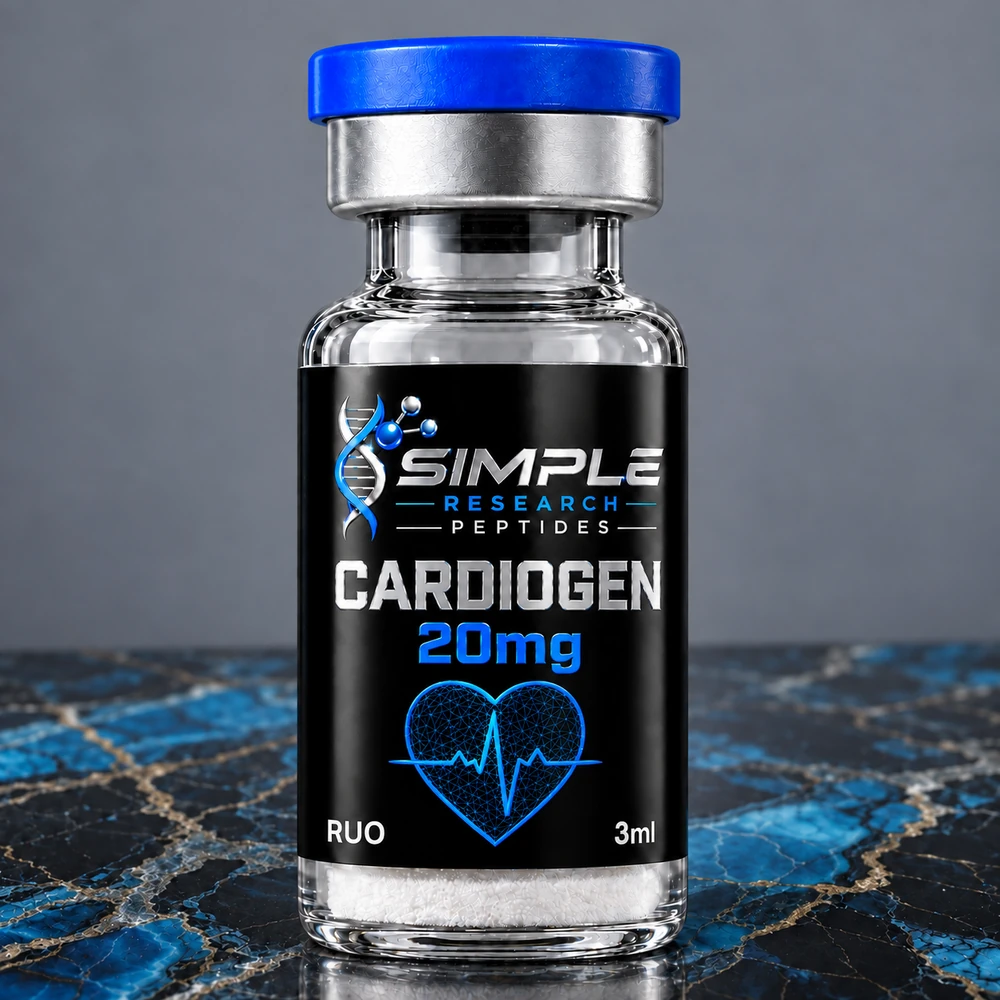
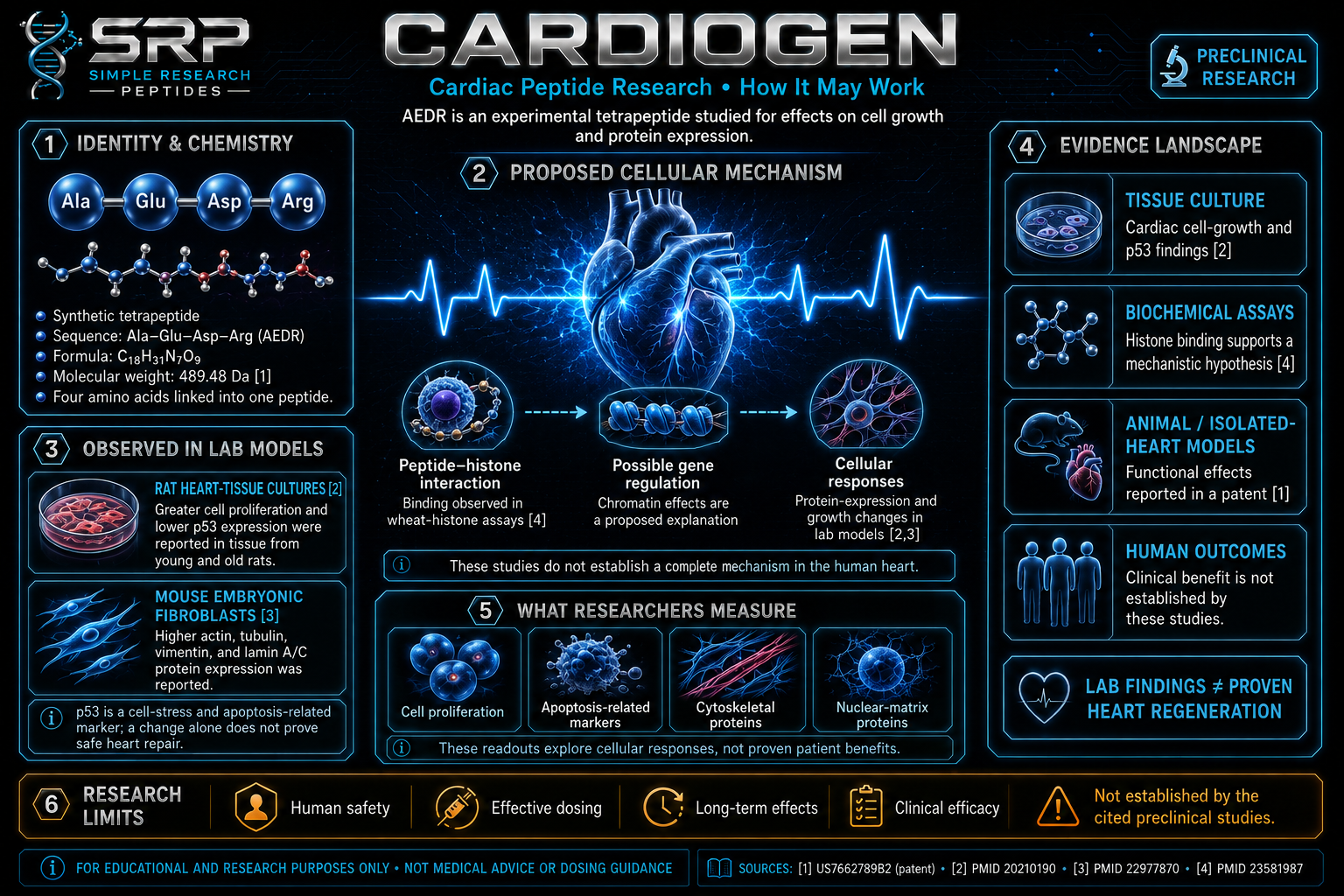
Cardiogen is a synthetic tetrapeptide bioregulator composed of the amino acid sequence Ala-Glu-Asp-Arg, originally identified through peptide bioregulator research programs led by Vladimir Khavinson at the St. Petersburg Institute of Bioregulation and Gerontology [1]. Cardiogen is derived from short endogenous peptide fragments involved in transcriptional regulation and cellular signaling. It is studied in laboratory research as a signaling pathway modulator that influences gene expression, protein synthesis, and cellular turnover within cardiac cell systems.
Cardiogen’s mechanism centers on intracellular regulation, interacting with pathways that control cytoskeletal organization, nuclear structure, and apoptosis signaling. Experimental models indicate that Cardiogen supports cardiomyocyte proliferation while modulating fibroblast activity associated with extracellular matrix deposition, making it relevant for investigating controlled tissue remodeling processes. It has been shown to increase synthesis of cytoskeletal proteins including actin, vimentin, and tubulin, alongside nuclear matrix proteins lamin A and C, with reported lamin upregulation of up to 2.5-fold in controlled systems [2].
Additional studies highlight Cardiogen’s interaction with p53-associated pathways, supporting investigation into apoptosis regulation and cellular preservation mechanisms, including in aged tissue models where these pathways are increasingly dysregulated [3]. In general, Cardiogen is used in in vitro assays and preclinical models to study cardiac-specific signaling and age-related changes in cellular function.
Purity & Quality
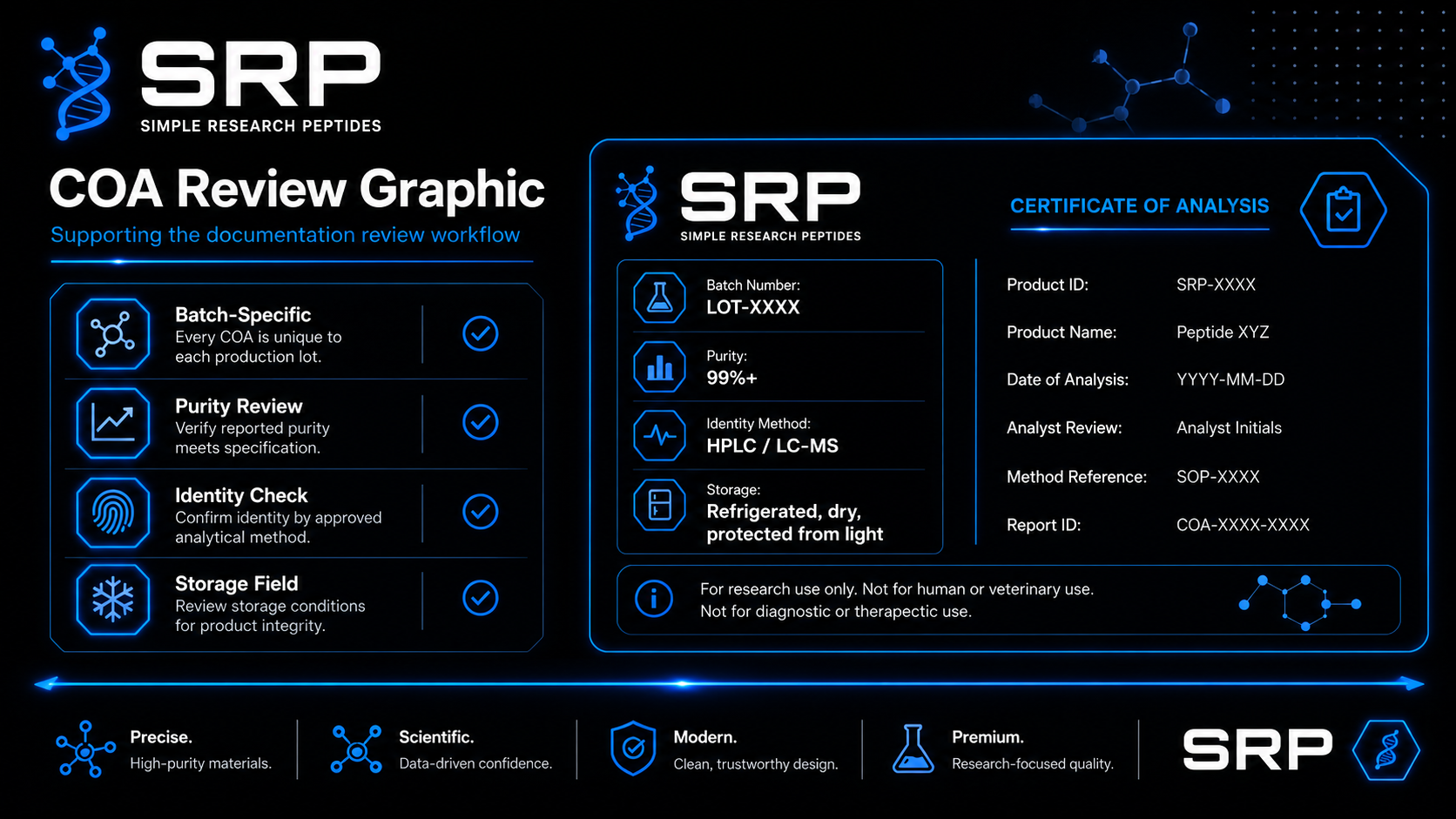
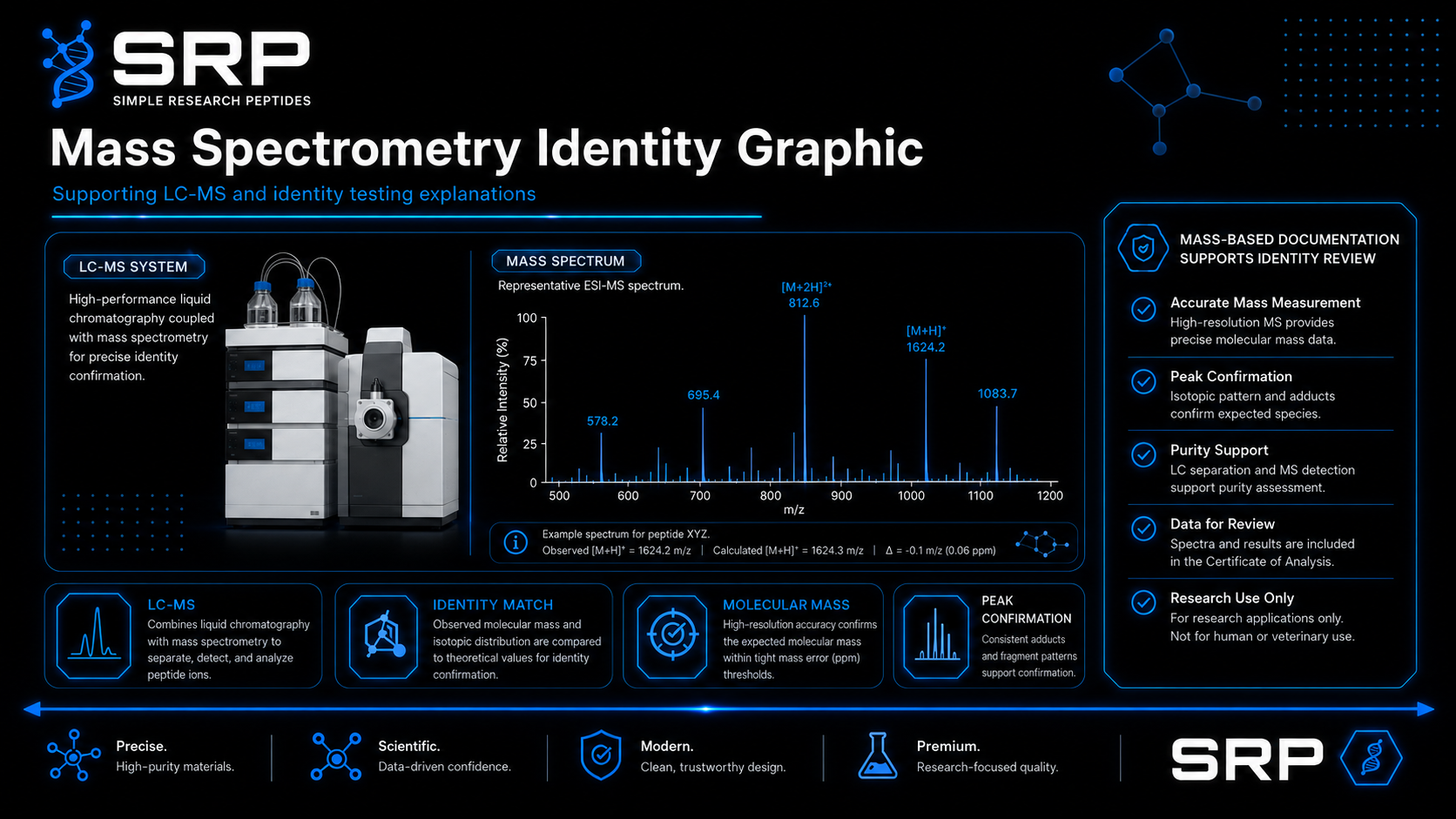
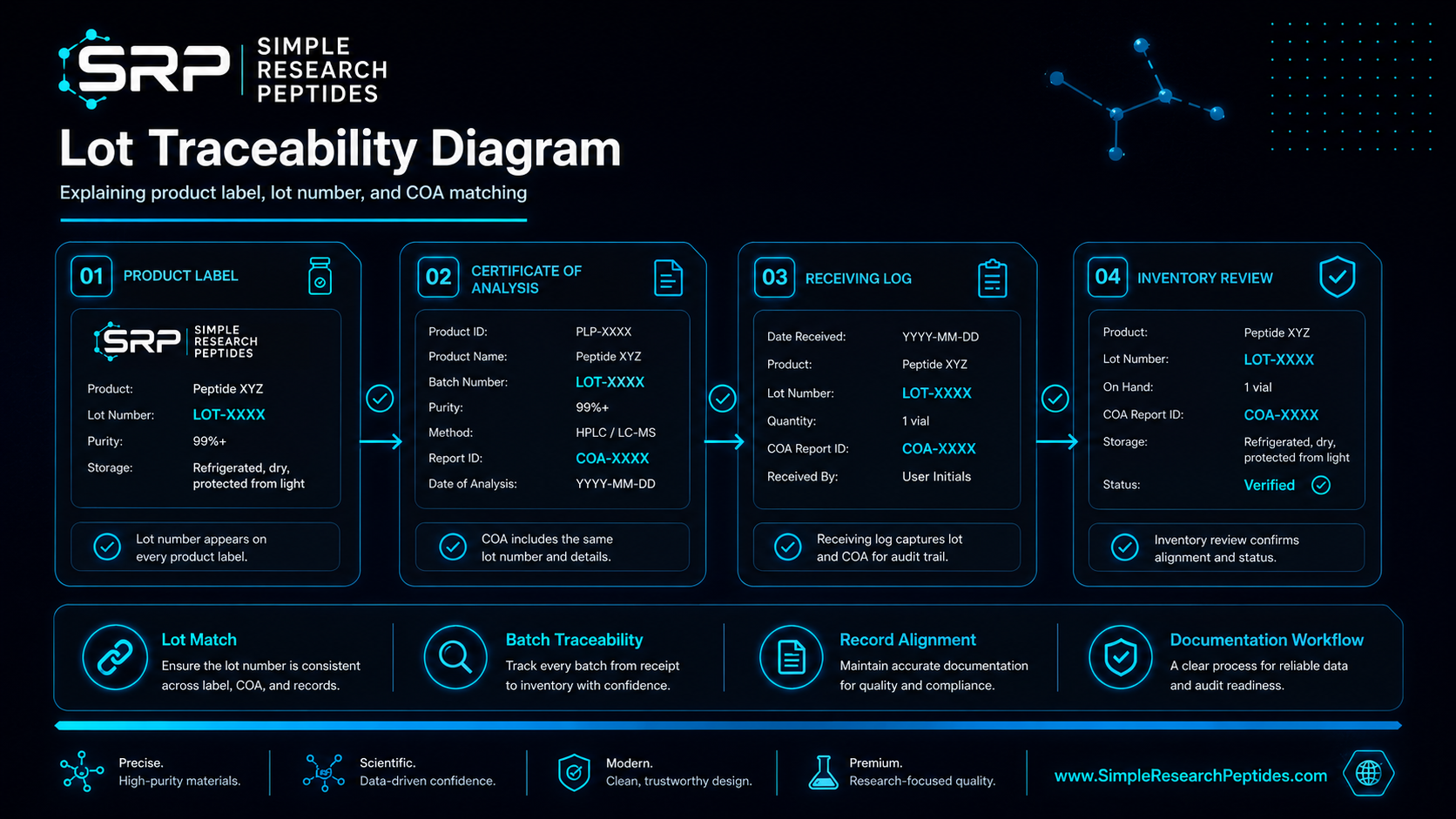
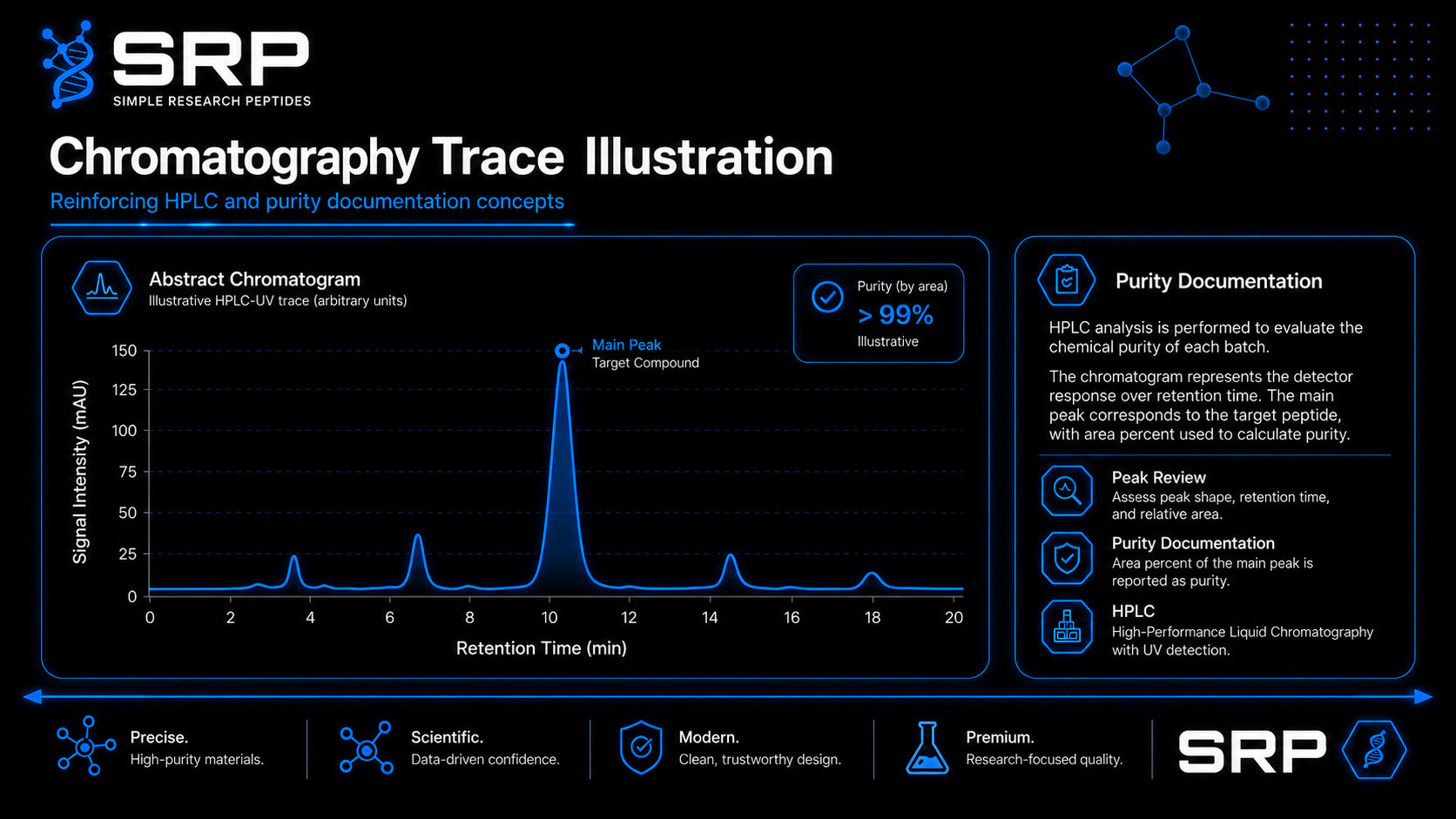
Product identity and purity should be evaluated against the batch-specific analytical documentation for the supplied lot. HPLC and mass spectrometry are analytical methods used in peptide characterization. The COA, mass spectrometry, traceability, and chromatography graphics in this gallery are educational illustrations; they are not test results or a Certificate of Analysis for this Cardiogen lot.
Important: This material is supplied for laboratory research use only and is not intended for human or veterinary use.
Cardiogen (Ala-Glu-Asp-Arg) Chemical Identity
Cardiogen is a synthetic tetrapeptide composed of four amino acids, Ala-Glu-Asp-Arg, placing it within the class of short regulatory peptides. Its compact structure facilitates intracellular interaction with transcriptional machinery and structural protein systems rather than relying on membrane-bound receptor activation. The sequence is derived from naturally occurring peptide motifs associated with gene regulation, allowing Cardiogen to influence cytoskeletal and nuclear protein expression.
These structural characteristics support Cardiogen’s role in modulating intracellular signaling pathways relevant to cardiac cell function in controlled laboratory environments.
Cardiogen: Chemical Properties
| Property | Description |
|---|---|
| Name & Synonyms | Cardiogen, H-Ala-Glu-Asp-Arg-OH, SCHEMBL3194515 |
| PubChem CID | 11583989 |
| CAS Number | 337890-68-3 |
| Molecular Formula | C18H31N7O9 |
| Molecular Weight | 489.5 g/mol |
| Peptide Length | 4 amino acids |
| Compound Class | synthetic tetrapeptide of the bioregulator peptide class (short-chain peptide that regulates gene expression and protein synthesis) |
| Primary Targets | Cardiac fibroblasts |
| InChIKey | QXQARLZWUIQZPX-NAKRPEOUSA-N |
| IUPAC Name | (4S)-4-[[(2S)-2-aminopropanoyl]amino]-5-[[(2S)-3-carboxy-1-[[(1S)-1-carboxy-4-(diaminomethylideneamino)butyl]amino]-1-oxopropan-2-yl]amino]-5-oxopentanoic acid |
Cardiogen Research Applications
Cardiogen (Ala-Glu-Asp-Arg) is used in controlled laboratory systems as a research tool to investigate peptide-mediated regulation of gene expression and intracellular signaling within cardiac-derived cell models. Its short tetrapeptide structure enables mechanistic studies focused on transcriptional control, cytoskeletal organization, and apoptosis-related pathways.
Experimental work primarily utilizes in vitro assays and preclinical models to examine how Cardiogen interacts with intracellular protein systems rather than membrane-bound receptor targets.
Gene Expression and Transcriptional Regulation
Laboratory studies indicate that Cardiogen functions as a modulator of gene expression, particularly within cardiac cell lines and primary cardiomyocyte cultures. Biochemical assays show that exposure to Cardiogen is associated with altered transcriptional activity of genes encoding structural and regulatory proteins [1]. These investigations often measure mRNA expression levels, transcription factor activity, and downstream protein synthesis to characterize how short peptide regulators influence nuclear signaling environments.
Mechanistic investigations suggest that Cardiogen interacts with intracellular pathways linked to chromatin organization and nuclear matrix stability. Changes in the expression of lamin-associated proteins, including lamin A and C, have been examined as indicators of nuclear structural adaptation [2][3]. These markers are commonly used in experimental models to assess how transcriptional regulation influences cellular resilience and structural integrity under controlled stress conditions.
Cytoskeletal Protein Dynamics and Structural Organization
Cardiogen (Ala-Glu-Asp-Arg) has been studied in the context of cytoskeletal protein synthesis and organization, particularly in cardiac-derived cell systems. Experimental models demonstrate that the peptide is associated with modulation of proteins such as actin, vimentin, and tubulin, which are essential for maintaining cellular architecture and mechanical stability [2].
In vitro assays typically evaluate cytoskeletal remodeling through protein expression analysis, immunofluorescence imaging, and structural protein quantification. These studies are relevant for understanding how intracellular signaling pathways regulate the assembly and maintenance of cytoskeletal networks. Mechanistic investigations suggest that Cardiogen may influence the coordination between cytoskeletal components and nuclear structures, providing a model for studying integrated cellular organization [4].
Apoptosis Signaling and p53-Associated Pathways
Cardiogen is frequently used in biochemical studies examining apoptosis signaling pathways, particularly those involving p53-associated regulatory mechanisms [5]. Laboratory studies indicate that Cardiogen exposure is associated with modulation of p53 protein expression and downstream signaling events that regulate programmed cell death.
Experimental models often measure apoptosis-related biomarkers such as caspase activation, DNA fragmentation, and mitochondrial signaling responses to evaluate pathway activity. Mechanistic investigations suggest that Cardiogen provides a useful model for studying how peptide-mediated signaling can influence the balance between cellular survival and apoptosis under controlled experimental conditions. These pathways are of particular interest in systems where cellular stress or damage is induced to evaluate regulatory responses.
Fibroblast Activity and Extracellular Matrix Regulation
Cardiogen has also been studied in experimental models that examine age-related changes in cellular signaling [6]. Laboratory studies using aged cell cultures or stress-induced models indicate that the peptide can be used to investigate how transcriptional regulation and protein synthesis pathways are altered under conditions of cellular aging.
These models often focus on biomarkers related to oxidative stress, protein turnover, and structural protein expression to evaluate how signaling pathways shift over time. Mechanistic investigations suggest that Cardiogen provides a framework for studying the dysregulation of intracellular signaling systems in aging cells, particularly those involving nuclear structure, cytoskeletal integrity, and apoptosis control.
Integrated Cardiac Cellular Signaling Models
Across experimental systems, Cardiogen is used as a model compound for studying the integration of multiple intracellular pathways within cardiac cell environments. Laboratory studies frequently combine assays measuring gene expression, protein synthesis, and signaling pathway activation to evaluate how these systems interact.
These integrated models allow researchers to investigate how transcriptional regulation, cytoskeletal dynamics, apoptosis signaling, and extracellular matrix interactions are coordinated within a single cellular framework. Cardiogen 20mg is therefore utilized as a tool for exploring multi-pathway regulation in controlled experimental settings, supporting research into complex intracellular signaling networks relevant to cardiac cell biology.
How Cardiogen Works: Ala-Glu-Asp-Arg Mechanism of Action
Cardiogen is a short synthetic tetrapeptide (Ala-Glu-Asp-Arg) that functions as a modulator of intracellular signaling and gene expression in laboratory systems. Rather than acting through a defined membrane-bound receptor, Cardiogen is studied for its interaction with intracellular protein networks that regulate transcription, cytoskeletal organization, and apoptosis signaling. Its primary role in experimental models is associated with modulation of nuclear activity and downstream protein synthesis pathways within cardiac-derived cells.
Target Engagement
Current mechanistic understanding suggests that Cardiogen does not exhibit classical receptor agonist or antagonist behavior. Instead, it is investigated for its ability to interact with intracellular targets involved in transcriptional regulation and protein expression [4]. Due to its short peptide length, Cardiogen is believed to access intracellular environments where it can influence nuclear and cytoplasmic signaling components.
Biochemical studies indicate that Cardiogen may associate with protein complexes linked to chromatin organization and nuclear matrix structure. This includes interactions with systems that regulate lamin-associated proteins and other structural elements of the nucleus. While specific binding sites are not fully characterized, experimental evidence supports a role in modulating protein expression through non-receptor-mediated molecular interactions.
Downstream Signaling Pathways
Following intracellular interaction, Cardiogen is associated with modulation of signaling pathways that regulate gene transcription and protein synthesis [4]. Laboratory studies indicate that Cardiogen influences pathways controlling cytoskeletal protein production, including actin, vimentin, and tubulin, as well as nuclear matrix proteins such as lamin A and C.
Mechanistic investigations also highlight its interaction with apoptosis-related signaling pathways, particularly those involving p53 [7]. Changes in p53-associated signaling have been examined as part of broader studies on transcriptional control and cellular stress responses.
These pathways are typically evaluated through gene expression profiling, protein quantification assays, and analysis of signaling intermediates involved in cellular regulation.
Cellular Effects in Experimental Models
In vitro assays and preclinical models demonstrate that Cardiogen modulates multiple aspects of cellular function within cardiac-derived systems [8]. Experimental observations include changes in gene expression profiles, increased synthesis of structural proteins, and alterations in apoptosis-related biomarkers.
Cell culture studies frequently assess cardiomyocyte proliferation markers, fibroblast activity, and extracellular matrix-related protein expression to evaluate how Cardiogen influences cellular organization and signaling balance. Additional models using aged or stress-induced cell systems examine how these pathways respond under conditions of dysregulation.
Together, these findings position Cardiogen as a tool for investigating integrated intracellular signaling processes, particularly those related to structural protein dynamics, transcriptional regulation, and apoptosis control.
Cardiogen: Comparison & Related Research Compounds
Cardiogen (Ala-Glu-Asp-Arg) is commonly compared alongside other short peptide bioregulators that influence gene expression and intracellular signaling rather than classical receptor-mediated pathways. Two closely related compounds include Epitalon (Ala-Glu-Asp-Gly) and Thymogen (Glu-Trp), both of which are investigated for their roles in transcriptional regulation and cellular signaling dynamics.
| Property | Cardiogen 20mg | Epitalon | Thymogen |
|---|---|---|---|
| Type | Synthetic tetrapeptide bioregulator | Synthetic tetrapeptide bioregulator | Synthetic dipeptide bioregulator |
| Primary Target | Gene expression pathways; nuclear and cytoskeletal protein systems | Telomerase-associated pathways; gene expression regulation | Immune-related gene expression and signaling pathways |
| Mechanism Summary | Modulates transcriptional activity and intracellular protein synthesis, including cytoskeletal and nuclear matrix components | Influences gene expression linked to telomerase activity and chromatin regulation | Modulates transcriptional signaling associated with immune cell differentiation |
| Typical Research Systems | In vitro cardiomyocyte assays, fibroblast cultures, preclinical cardiac models | Cell culture models for chromatin regulation, aging-related pathways, biochemical assays | Immune cell cultures, lymphocyte differentiation models, biochemical signaling assays |
| Mechanistic Focus | Cytoskeletal organization, apoptosis signaling, extracellular matrix regulation | Chromatin structure, telomerase signaling, cellular aging pathways | Immune signaling, gene expression regulation, cellular differentiation |
| Regulatory Category | Research-use-only peptide | Research-use-only peptide | Research-use-only peptide |
| Research Stage | Preclinical and biochemical pathway research | Preclinical and biochemical pathway research | Preclinical and biochemical pathway research |
Cardiogen differs from Epitalon in its primary mechanistic focus, with Cardiogen more directly associated with cytoskeletal protein dynamics and cardiac-specific cellular models, while Epitalon is typically studied in the context of chromatin regulation and telomerase-associated signaling. Thymogen, by contrast, is structurally shorter and is primarily used to investigate immune-related transcriptional pathways rather than structural or cytoskeletal systems.
All three compounds share a common research framework centered on short peptide-mediated regulation of gene expression, but differ in tissue specificity, signaling emphasis, and experimental application.
Cardiogen Lab Safety & Handling Guidelines
Cardiogen peptide should be handled by qualified research personnel using established chemical safety procedures appropriate for peptide-based materials. This compound is supplied as a lyophilized peptide and should be stored at −4 °F (−20 °C) or below, protected from heat, moisture, and light.
Maintaining controlled storage conditions for cardiogen helps preserve peptide structure, analytical purity, and overall chemical stability, ensuring consistent performance across laboratory applications.
Following reconstitution, Cardiogen peptide solutions are typically stored at 36–46 °F (2–8 °C). Proper storage and handling conditions help minimize degradation processes such as hydrolysis, oxidation, and peptide aggregation, which may affect experimental reliability.
Handling Guidelines
Proper handling of Cardiogen helps support maintenance of peptide integrity and reproducibility in laboratory studies.
- Store lyophilized material at −4 °F (−20 °C) or below
- Allow vial to reach room temperature before opening
- Protect from light, heat, and humidity
- Use sterile laboratory equipment during preparation
- Avoid repeated freeze–thaw cycles
- Label reconstituted samples with preparation date and concentration
These practices help maintain consistent experimental conditions and support reproducible research outcomes.
Reconstitution Guidelines
Standard peptide preparation procedures should be followed when working with Cardiogen.
- Reconstitute with sterile bacteriostatic water or appropriate laboratory buffer
- Add solvent slowly along the vial wall to minimize foaming
- Avoid vigorous agitation or vortexing
- Gently swirl until the peptide is dissolved
- Store reconstituted solutions at 36–46 °F (2–8 °C)
- Prepare aliquots where appropriate to reduce freeze–thaw cycles
Careful reconstitution helps preserve peptide stability and structural integrity in solution.
Laboratory Safety Protocols
General chemical safety practices should be followed when handling Cardiogen in laboratory environments.
- Wear PPE including gloves, lab coat, and protective eyewear
- Handle compounds within approved laboratory workspaces
- Avoid inhalation, ingestion, or direct contact
- Dispose of materials according to institutional chemical waste procedures
- Maintain proper labeling and documentation for stored research compounds
These practices support safe and compliant laboratory operation.
This product is intended strictly for laboratory research and development use only and is not approved for human or veterinary use.
Frequently Asked Questions
What is Cardiogen peptide used for in research?
Cardiogen is a laboratory research peptide used to study gene expression regulation, intracellular signaling pathways, and structural protein synthesis in cardiac cell models. Researchers use Cardiogen 20mg in in vitro assays and preclinical systems to investigate cytoskeletal organization, nuclear matrix proteins, and apoptosis-related signaling under controlled experimental conditions.
How does Cardiogen work at the molecular level?
Cardiogen functions as a signaling pathway modulator rather than a receptor-specific agonist. It interacts with intracellular systems involved in transcriptional regulation, influencing protein synthesis and gene expression. Research focuses on its effects on cytoskeletal proteins, nuclear structure, and p53-associated signaling pathways in experimental models.
What pathways does Cardiogen help researchers study?
Cardiogen is used to investigate gene expression pathways, cytoskeletal protein dynamics, extracellular matrix regulation, and apoptosis signaling. Common biomarkers studied include actin, vimentin, tubulin, lamin proteins, and p53-related signaling components, helping researchers map how intracellular pathways coordinate structural and regulatory processes.
What types of experimental models are used with Cardiogen?
Cardiogen is typically studied in in vitro cell culture systems such as cardiomyocyte and fibroblast models, as well as in preclinical experimental models. These systems allow controlled analysis of signaling pathways, protein expression, and cellular responses relevant to cardiac-specific intracellular regulation.
How should Cardiogen be stored in laboratory settings?
Cardiogen should be stored as a lyophilized peptide at −20 °C, protected from heat, moisture, and light to maintain stability and purity. After reconstitution, solutions are typically stored at 2–8 °C. Proper storage helps minimize degradation processes such as hydrolysis and oxidation, supporting reliable experimental outcomes.
How should Cardiogen purity and quality be evaluated?
Review batch-specific analytical documentation for molecular identity, chemical purity, and lot traceability. General testing illustrations explain these methods but do not establish the results for a particular lot.
Is Cardiogen approved for human or veterinary use?
Cardiogen is supplied strictly as a laboratory research compound and is not approved for human or veterinary use. It is intended only for controlled experimental applications, including biochemical assays, cell culture studies, and preclinical research models focused on signaling pathways and gene expression.
Scientific References
1. Peptide Regulation of Gene Expression: A Systematic Review, Khavinson VK, Popovich IG, Linkova NS, Mironova ES, Ilina AR, Molecules, 2021, 26(22):7053. https://doi.org/10.3390/molecules26227053
2. Role of p53 in the Regulation of Cellular Senescence, Mijit M, Caracciolo V, Melillo A, Amicarelli F, Giordano A, Biomolecules, 2020, 10(3):420. https://doi.org/10.3390/biom10030420
3. Lamin A/C as a Molecular Link Between Nuclear Organization, Chromatin Dynamics, and Tumor Progression, Foglini C, Scotlandi K, Pasello M, Cells, 2026, 15(6):501. https://doi.org/10.3390/cells15060501
4. Tetrapeptide H-Ala-Glu-Asp-Arg-OH Stimulates Expression of Cytoskeletal and Nuclear Matrix Proteins, Khavinson VKh, Lin’kova NS, Polyakova VO, Kvetnoy IM, Benberin VV, D’yakonov MM, Titkov YS, Bulletin of Experimental Biology and Medicine, 2012, 153(4):559–562. https://doi.org/10.1007/s10517-012-1766-9
5. The Regulatory Roles of p53 in Cardiovascular Health and Disease, Men H, Cai H, Cheng Q, Zhou W, Wang X, Huang S, Zheng Y, Cai L, Cell and Molecular Life Sciences, 2021, 78(5):2001–2018. https://doi.org/10.1007/s00018-020-03694-6
6. Short Peptides Protect Fibroblast-Derived Induced Neurons from Age-Related Changes, Kraskovskaya N, Linkova N, Sakhenberg E, Krieger D, Polyakova V, Medvedev D, Krasichkov A, Khotin M, Ryzhak G, International Journal of Molecular Sciences, 2024, 25(21):11363. https://doi.org/10.3390/ijms252111363
7. EDR Peptide: Possible Mechanism of Gene Expression and Protein Synthesis Regulation Involved in the Pathogenesis of Alzheimer’s Disease, Khavinson V, Linkova N, Kozhevnikova E, Trofimova S, Molecules, 2021, 26(1):159. https://doi.org/10.3390/molecules26010159
8. Possible Treatment of Myocardial Infarct Based on Tissue Engineering Using a Cellularized Solid Collagen Scaffold Functionalized with Arg-Gly-Asp (RGD) Peptide, Schussler O, Falcoz PE, Chachques JC, Alifano M, Lecarpentier Y, International Journal of Molecular Sciences, 2021, 22(22):12563. https://doi.org/10.3390/ijms222212563



Reviews
There are no reviews yet.