



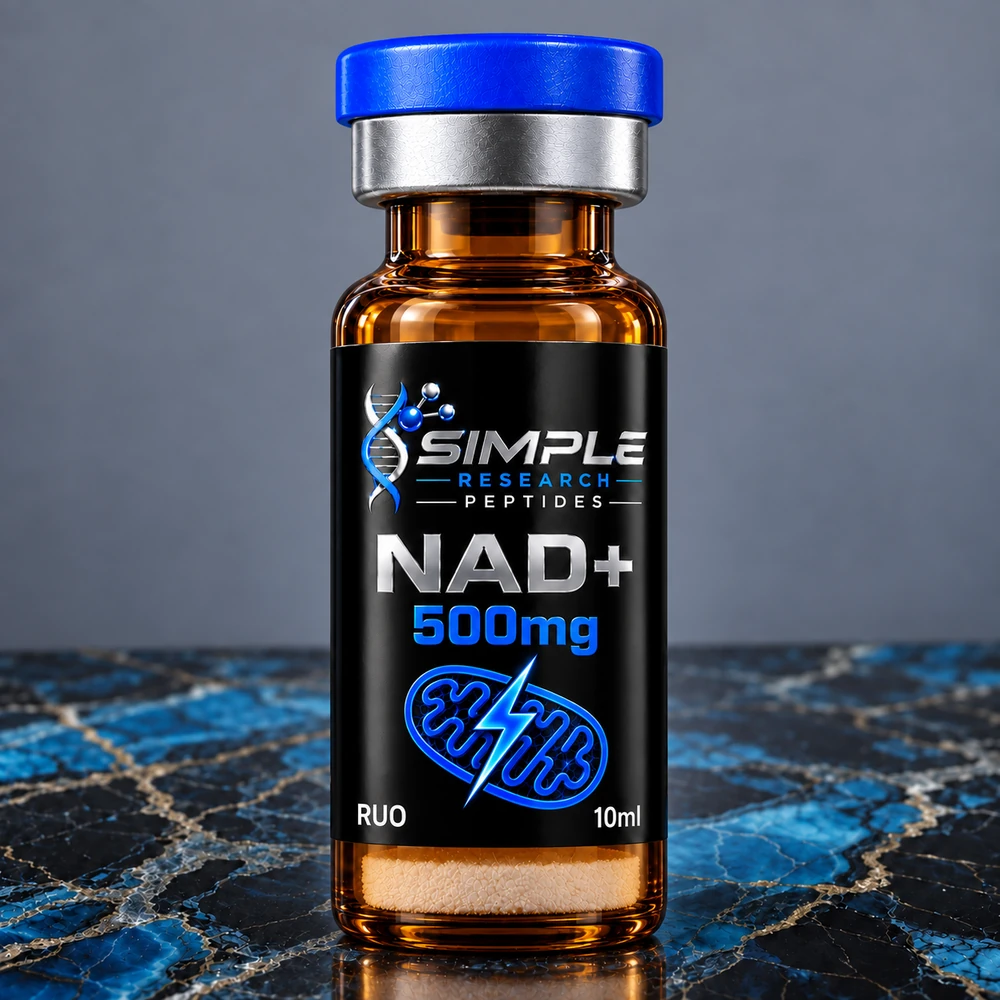
NAD+ (500 mg Vial) is listed for qualified laboratory research use only.
- Research category: Cellular Health Research
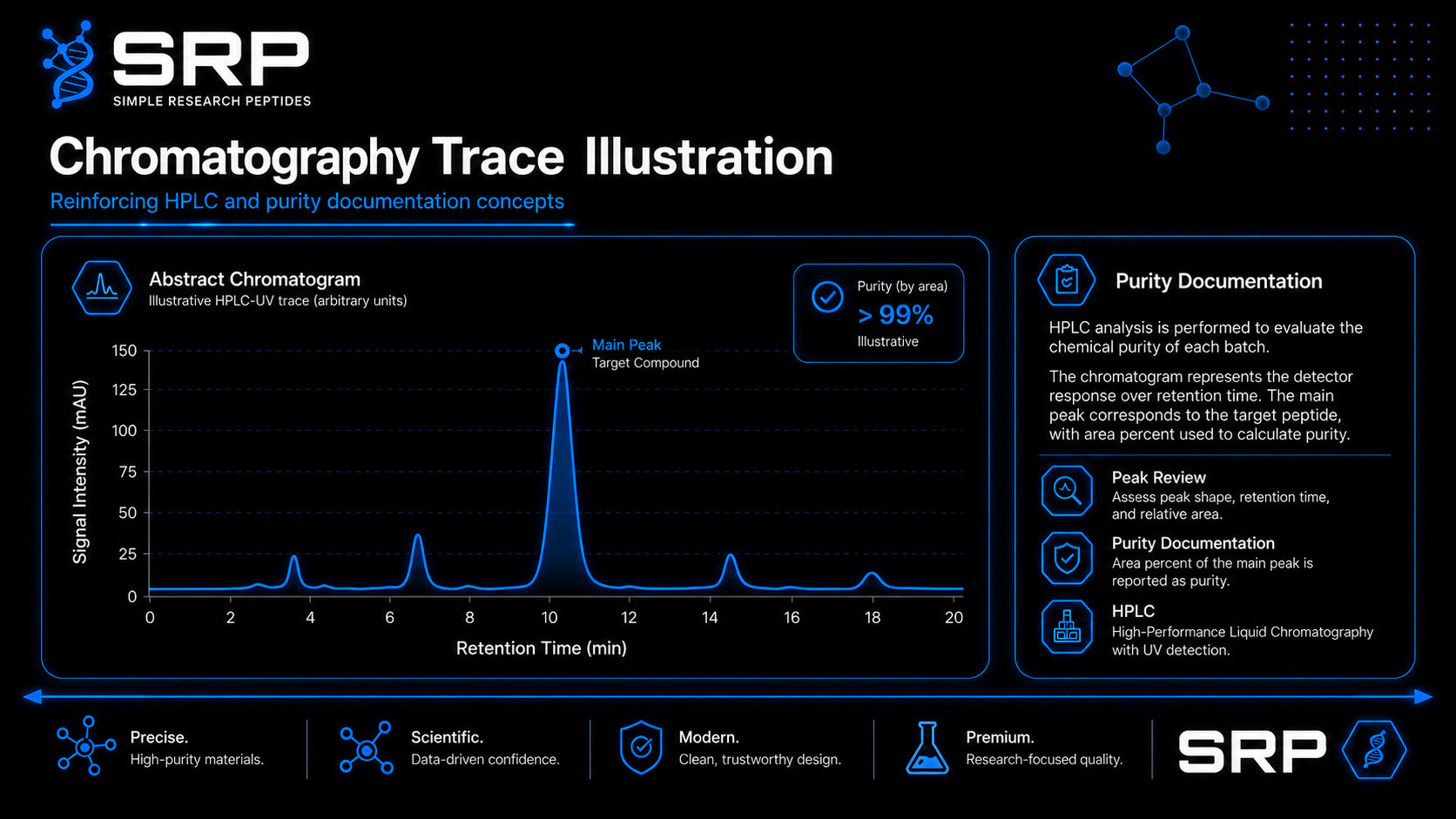
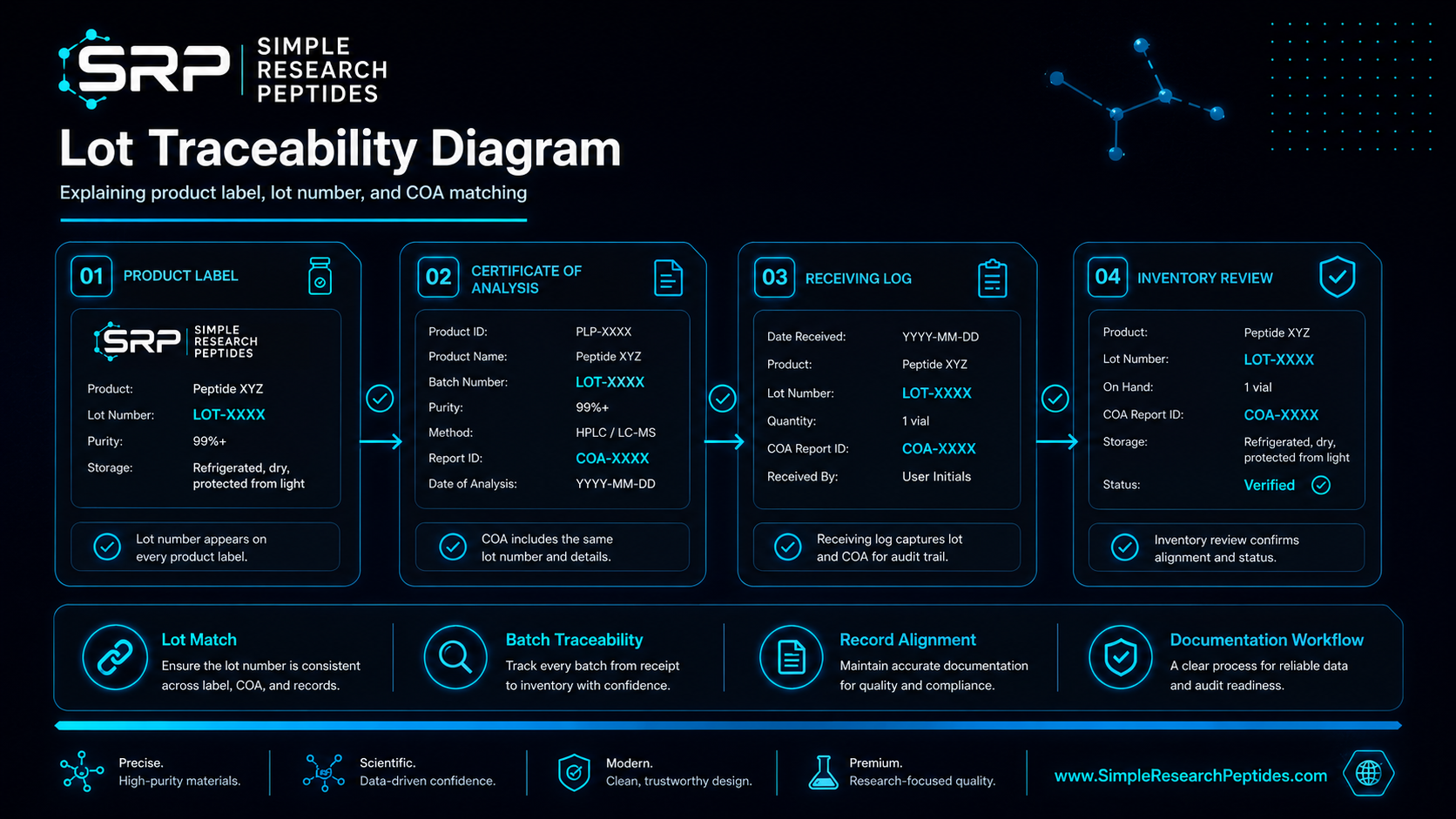
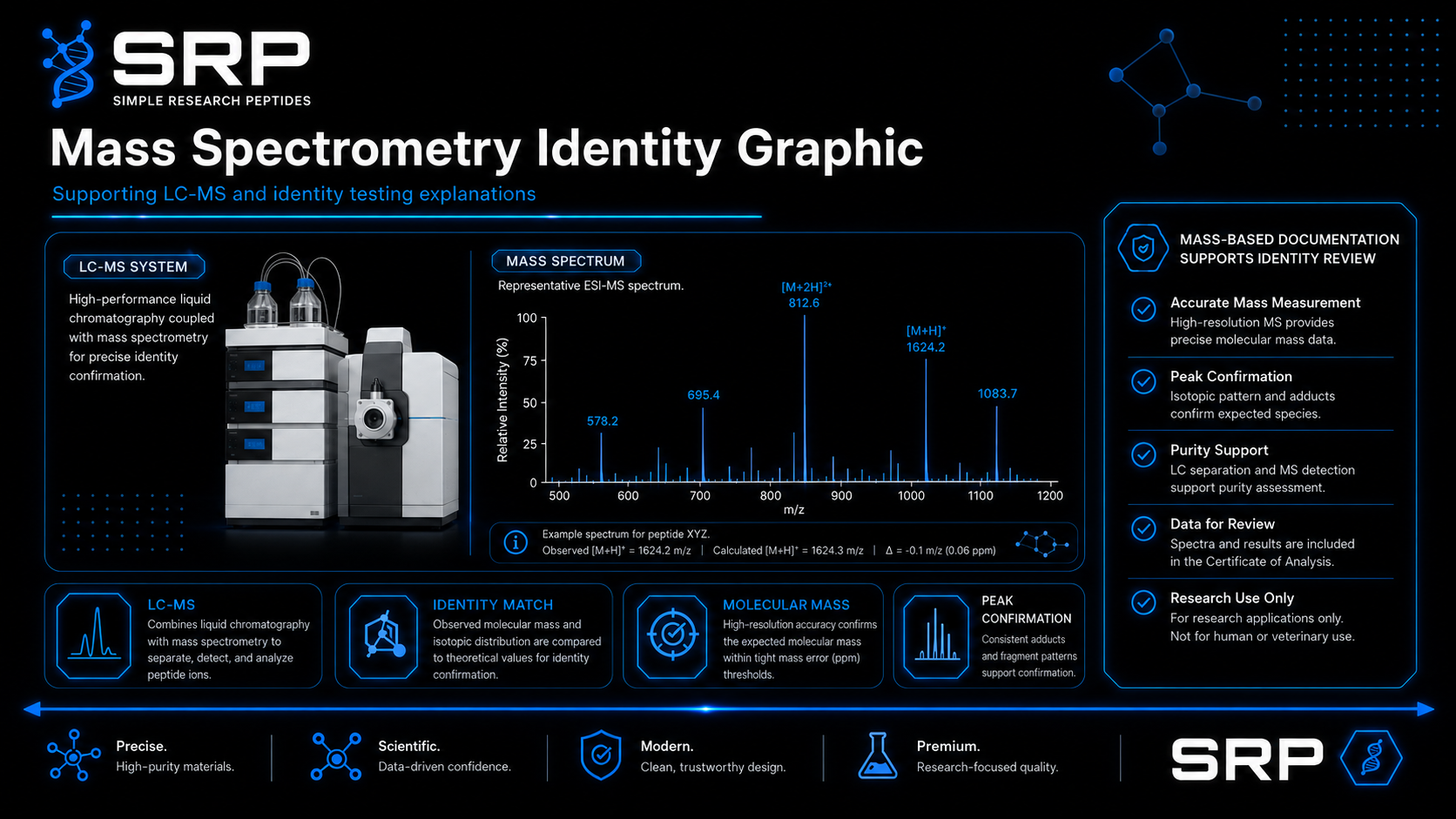
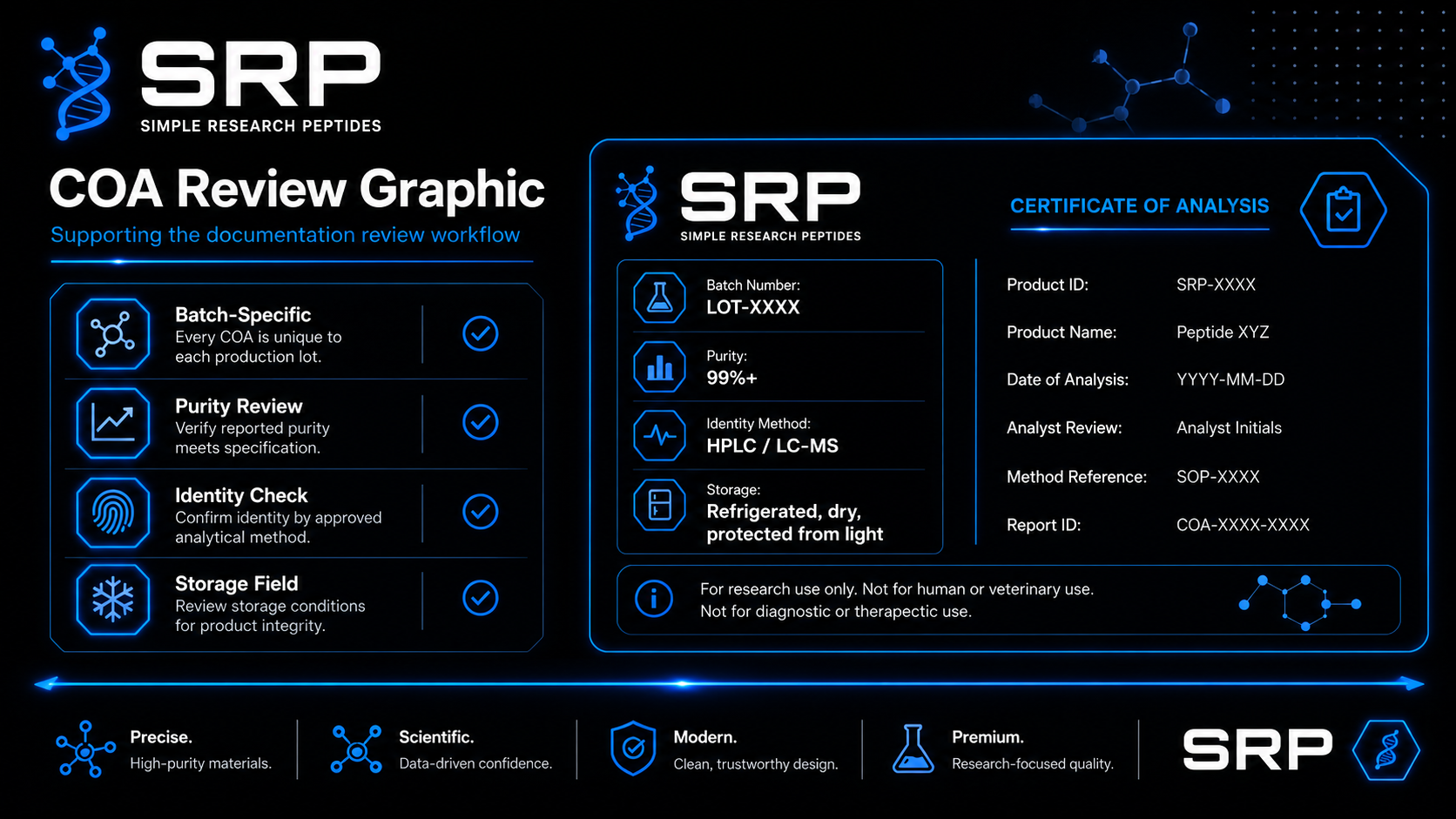
- COA verified
- Third-party tested when available
- For research and laboratory use only
- Made in the USA
- 3ml Vial
Important: This product is not intended for human consumption, medical use, diagnostic use, or treatment of any disease.
Research background: Read the NAD+ Research Guide.
NAD+ Dosage Chart
NAD+ is dosed at 50 mg–100 mg daily via subcutaneous injection in educational protocols. A 500 mg vial reconstituted with bacteriostatic water yields about 166.7 mg/mL. This information is for research and educational use only.
- Reconstitute: Add 3.0 mL bacteriostatic water → 166.7 mg/mL concentration.
- Typical daily range: 50–100 mg once daily subcutaneously (gradual titration from lower doses).
- Easy measuring: At 166.7 mg/mL, 1 unit = 0.01 mL = 1.67 mg on a U‑100 insulin syringe.
- Storage: Lyophilized: freeze at −20 °C (−4 °F); after reconstitution, refrigerate at 2–8 °C (35.6–46.4 °F) for up to 14 days; protect from light and avoid freeze–thaw cycles.
NAD+ (nicotinamide adenine dinucleotide) is a critical coenzyme involved in cellular energy metabolism, DNA repair, and mitochondrial function[1]. Clinical research has primarily employed intravenous infusions at high doses, though subcutaneous administration at lower doses is emerging as a practical maintenance route[2][3]. This educational protocol presents a once‑daily subcutaneous approach with gradual titration for improved tolerability.
Dosing & Reconstitution Guide
| Week | Daily Dose (mg) | Units (per injection) (mL) |
|---|---|---|
| Week 1 | 50 mg | 30 units (0.30 mL) |
| Week 2 | 75 mg | 45 units (0.45 mL) |
| Weeks 3–8 | 100 mg | 60 units (0.60 mL) |
| Weeks 9–12 | 100 mg | 60 units (0.60 mL) |
| Weeks 13–16 | 100 mg | 60 units (0.60 mL) |
Frequency: Inject once daily subcutaneously. This gradual titration protocol begins at 50 mg daily to assess tolerance, as starting too high can produce adverse reactions such as insomnia, anxiety, or fatigue[4]. Most individuals find doses in the 50–100 mg range well‑tolerated after ramp‑up[5]. The 3.0 mL dilution keeps per‑injection volumes practical and allows for accurate unit measurements on standard insulin syringes.
Reconstitution Steps
- Allow the lyophilized vial to reach room temperature before opening to minimize moisture condensation.
- Draw 3.0 mL bacteriostatic water (0.9% benzyl alcohol) with a sterile syringe.
- Inject slowly down the vial wall to avoid foaming; do not aim directly at the powder.
- Gently swirl or roll the vial until the powder fully dissolves (do not shake vigorously).
- The resulting solution should be clear and colorless. If discoloration or precipitate appears, discard.
- Label with the reconstitution date and refrigerate at 2–8 °C (35.6–46.4 °F), protected from light.
- Use within 14 days; inspect before each use for clarity.
Note: Each 0.01 mL (1 unit) contains approximately 1.67 mg of NAD+. Example conversions: 50 mg = 30 units; 75 mg = 45 units; 100 mg = 60 units.
Supplies Needed
- Peptide Vials (NAD+, 500 mg each):
- 8 weeks ≈ 11 vials (total 5,075 mg used)
- 12 weeks ≈ 16 vials (total 7,875 mg used)
- 16 weeks ≈ 22 vials (total 10,675 mg used)
- Insulin Syringes (U‑100, 1 mL):
- Per week: 7 syringes (1/day)
- 8 weeks: 56 syringes
- 12 weeks: 84 syringes
- 16 weeks: 112 syringes
- Bacteriostatic Water (10 mL bottles): Use 3.0 mL per vial for reconstitution.
- 8 weeks (11 vials): 33 mL → 4 × 10 mL bottles
- 12 weeks (16 vials): 48 mL → 5 × 10 mL bottles
- 16 weeks (22 vials): 66 mL → 7 × 10 mL bottles
- Alcohol Swabs: One for the vial stopper + one for the injection site each day.
- Per week: 14 swabs (2/day)
- 8 weeks: 112 swabs → recommend 2 × 100‑count boxes
- 12 weeks: 168 swabs → recommend 2 × 100‑count boxes
- 16 weeks: 224 swabs → recommend 3 × 100‑count boxes
Protocol Overview
- Goal: Support cellular energy metabolism, DNA repair pathways, and mitochondrial function through exogenous NAD+ supplementation[1].
- Schedule: Daily subcutaneous injections for 8–16 weeks with gradual dose titration.
- Dose Range: 50–100 mg daily; start low (50 mg) and increase by ~25 mg weekly as tolerated.
- Reconstitution: 3.0 mL per 500 mg vial (166.7 mg/mL) for accurate unit measurements.
- Storage: Lyophilized powder frozen at −20 °C (−4 °F); reconstituted solution refrigerated at 2–8 °C (35.6–46.4 °F) for up to 14 days; protect from light.
Dosing Protocol
Suggested daily titration approach for subcutaneous administration.
- Start: 50 mg daily for Week 1 to assess individual tolerance.
- Escalation: Increase by 25 mg in Week 2 (75 mg daily); advance to 100 mg daily by Week 3 if well‑tolerated[4][5].
- Maintenance: Continue at 100 mg daily for Weeks 3–16 (or adjust based on response and tolerability).
- Frequency: Once per day, subcutaneous injection.
- Timing: Any consistent time of day; some users prefer morning administration.
- Site Rotation: Rotate injection sites systematically (abdomen, thighs, upper arms) to prevent tissue buildup.
Storage Instructions
Proper storage is critical to preserve NAD+ stability and potency.
- Lyophilized (Unopened): Store at −20 °C (−4 °F) or below (ideally −80 °C for multi‑year storage) in a dry, dark environment[6]. Minimize moisture exposure as NAD+ powder is hygroscopic.
- Reconstituted Solution: Refrigerate at 2–8 °C (35.6–46.4 °F) and use within approximately 14 days[7]. Keep protected from light (UV exposure degrades NAD+).
- Avoid Freeze–Thaw Cycles: Do not repeatedly freeze and thaw reconstituted NAD+ solution, as this reduces potency.
- Inspection: Before each use, inspect the solution for clarity. A fresh NAD+ solution should be clear and colorless. Discard if discoloration, cloudiness, or precipitate develops.
Important Notes
Practical considerations for consistency, safety, and optimal results.
- Use new, sterile insulin syringes for each injection; dispose of used needles in a proper sharps container.
- Rotate injection sites systematically (abdomen at least 2 inches from navel, outer thighs, back of upper arms) to reduce soreness and prevent lipohypertrophy.
- Clean both the vial stopper and injection site with alcohol swabs; allow skin to air‑dry before injecting.
- Inject slowly over 5–10 seconds to minimize tissue irritation; wait a few seconds before withdrawing the needle.
- Document daily dose, injection site, and any observed effects to maintain consistency and track tolerance.
- If persistent redness or a lump develops at injection sites, apply over‑the‑counter hydrocortisone cream and rotate to a different location.
- Starting at the low end (50 mg) is recommended to assess individual tolerance before escalating dose[4].
How This Works
Subcutaneous (SC) or intramuscular (IM) injections at lower doses (tens to low hundreds of milligrams) are emerging as practical alternatives for maintenance therapy and wellness applications[3][11]. Compounded NAD+ can be administered SC in small volumes, and SC self‑injection is convenient for ongoing use[12]. Conservative protocols start around 50–100 mg per injection a few times per week; the present protocol uses daily SC administration with gradual titration to optimize individual tolerance and response.
Potential Benefits & Side Effects
Potential Benefits (Reported in Literature)
- May support cellular energy production and mitochondrial function through replenishment of NAD+ pools[1][8].
- Human case reports and pilot studies suggest benefits at 100–300 mg/day ranges for cognitive support and metabolic health[13].
- High‑dose IV protocols (500–1,500 mg daily for ~10 days) have been used in open‑label studies for substance use disorder, with reports of reduced cravings and improved mood in follow‑ups[2][9].
- No severe adverse events have been reported in published NAD+/NADH trials; side effects are generally mild[14].
Potential Side Effects
- High doses can produce adverse reactions such as insomnia, anxiety, or fatigue if escalated too quickly; gradual titration is advised[4].
- Mild injection‑site reactions (redness, itching, soreness) may occur with subcutaneous administration; typically resolve with site rotation.
- Some individuals report transient headache or flushing; these effects are generally dose‑dependent.
- Doses exceeding ~200–300 mg/day should generally be reserved for supervised therapeutic use due to potential for metabolic byproduct accumulation[15].
Lifestyle Factors
Complementary strategies to maximize NAD+ therapy outcomes.
- Nutrition: Consume a balanced diet rich in NAD+ precursors (niacin/vitamin B3, tryptophan) and support nutrients (B‑vitamins, magnesium). Consider foods that support methylation pathways.
- Exercise: Regular physical activity (both resistance training and aerobic exercise) naturally upregulates cellular NAD+ biosynthesis and enhances mitochondrial adaptations.
- Sleep: Prioritize 7–9 hours of quality sleep per night to support cellular repair processes and optimize circadian NAD+ metabolism.
- Stress Management: Chronic stress depletes NAD+ pools through activation of poly(ADP‑ribose) polymerases (PARPs); incorporate stress‑reduction practices like meditation or yoga.
- Avoid Excessive Alcohol: Alcohol metabolism consumes NAD+; moderate or eliminate alcohol intake during NAD+ protocols.
Injection Technique
Preparation
- Wash hands thoroughly with soap and water.
- Clean the vial stopper with an alcohol swab and allow to air‑dry.
- Select injection site (abdomen at least 2 inches from navel, outer thigh, or back of upper arm) and clean with alcohol swab; allow skin to air‑dry completely before injecting.
Needle Selection
- Use a fine, short needle such as a 28–31 gauge insulin syringe.
- Needle length of 5/16 to 1/2 inch (8–12 mm) is sufficient to reach subcutaneous tissue.[16].
- Standard U‑100 insulin syringes (1 mL capacity) are appropriate for the volumes used in this protocol (0.30–0.60 mL per injection).
Injection Procedure
- Pinch a fold of skin between your thumb and forefinger to isolate subcutaneous tissue.
- Insert the needle at approximately a 45° angle into the pinched subcutaneous layer[16][17]. (For ultrashort 4 mm needles, a 90° angle without pinching may be used, but for typical 8–12 mm needles, 45° with pinched skin is recommended.)
- Do not aspirate for subcutaneous injections[16].
- Depress the plunger slowly and steadily to inject the NAD+ solution over 5–10 seconds. Injecting too rapidly may increase irritation.
- Wait a few seconds after full injection before withdrawing the needle at the same angle it was inserted.
- Apply a clean cotton swab or bandage with light pressure to the site; do not rub vigorously.
- Dispose of the used needle/syringe immediately in a proper sharps container.
Site Rotation
- Rotate injection sites systematically to prevent soreness, lipohypertrophy, or scar tissue buildup[18].
- Alternate between left/right sides of the abdomen or different quadrants if injecting daily.
- The abdomen (at least 2 inches away from the navel) is a common site for subcutaneous NAD+ because it has a good layer of subcutaneous fat and tends to be less sensitive.
- Outer thigh and back of upper arm are alternative sites; choose areas with adequate subcutaneous tissue.
Volume Considerations
- NAD+ injections in this protocol range from 0.30 mL (50 mg dose) to 0.60 mL (100 mg dose).
- Subcutaneous tissue can comfortably absorb up to about 1.5 mL per injection; the volumes used here are well within this limit[19].
- If higher individual doses are ever needed (above ~150 mg), consider splitting into two injections at different sites to enhance absorption and comfort.
References
-
Pharmaceuticals (Basel)
— Clinical evidence for targeting NAD+ therapeutically: metabolic pathways and therapeutic potential -
Current Psychiatry Research and Reviews
— NAD+ and enkephalinase infusions attenuate burden in substance use disorder (pilot of 50 cases) -
Fagron Academy (US)
— NAD+ dosing review: routes, protocols, and case study insights from clinical practice -
Jinfiniti (NAD+ Dosage Chart)
— NAD+ injection dosage guidance: chart, timing, and safety considerations for titration -
Olympia Pharmacy
— NAD+ injection (Nicotinamide Adenine Dinucleotide): compounding pharmacy information and dosing guidance -
Sigma-Aldrich Product Information
— β‑Nicotinamide adenine dinucleotide (NAD+) product specification and stability data -
Empower Pharmacy
— NAD+ injection (lyophilized): compounding specifications and reconstitution guidance -
PMC (Pharmacology & Potential Implications of NAD+)
— Comprehensive review of NAD+ metabolism, aging, and therapeutic applications -
AgelessRx
— NAD+ injection clinical overview and administration protocols -
Frontiers in Aging Neuroscience
— A pilot study investigating changes in human plasma and urine NAD+ metabolome during 6‑hour IV infusion (750 mg dose) -
Pure Bio Labs
— NAD+ vial (500 mg): high‑purity peptide product specifications -
Fagron Academy (NAD+ Review)
— Subcutaneous and intramuscular NAD+ administration: emerging practices for maintenance therapy -
Jinfiniti (Dosage Chart)
— Human case reports: benefits at 100–300 mg/day ranges for cognitive and metabolic support -
American Journal of Physiology (PubMed)
— Evaluation of safety and effectiveness of NAD+ in different clinical conditions: a systematic review -
Fagron Academy
— Dosing considerations: regimens exceeding 200–300 mg/day reserved for supervised therapeutic use -
CDC Pink Book (Chapter 6)
— Vaccine administration: needle selection and injection technique for subcutaneous route -
CDC Subcutaneous Injection Guide
— Technique diagram and site guidance for subcutaneous injections (45–90° angle, no aspiration) -
NCBI Bookshelf
— Best practices for injections: asepsis, site preparation, administration, and rotation to prevent lipohypertrophy -
PMC (Subcutaneous Drug Injection Review)
— Literature review of factors influencing pain at injection site and volume considerations for subcutaneous route
Reviews
There are no reviews yet.