Quercetin
Quick summary
A plant flavonoid widely studied in cell models of oxidative stress and of senescent-cell biology. Research focus: flavonoid biology and senescence research. SRP's starting dose for this compound is still pending.
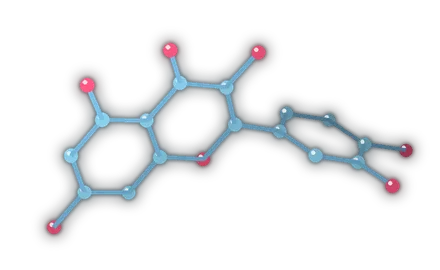
3D structure
Overview
A plant flavonoid widely studied in cell models of oxidative stress and of senescent-cell biology.
Looking for research material? Simple Research Peptides lists Ultra High Purity Quercetin 1000 mg – 120 Capsules for laboratory research use.
Mechanism
A flavonoid that inhibits many kinases and, in combination with dasatinib, has been studied as a senolytic.
Research areas
- flavonoid biology
- senescence research
Storage & reconstitution
Supplied in capsule form. Store sealed in a cool, dry place away from light and moisture.
Recommended starting dose (low and slow)
| Starting dose | Pending - to be added by SRP |
|---|---|
| Frequency | Pending - to be added by SRP |
| Reconstitution | Pending - to be added by SRP |
Route and timing
Route: Oral.
Timing: Pending - to be added by SRP
Cycle length and repeat
Pending - to be added by SRP
Half-life
Approximate, for Bobby's review: Not well characterized in published research.
Side effects
Pending - to be added by SRP
Suggested bloodwork and monitoring
Draft, for Bobby's review: CBC and comprehensive metabolic panel (kidney and liver function, electrolytes) before starting and again after a few weeks.
Cautions
Pending - to be added by SRP
Reconstitution calculator
Math aid only. It converts the numbers you enter; it is not dosing advice. For research use only.
Frequently asked questions
What is Quercetin studied for?
In research it is studied for flavonoid biology and senescence research. A flavonoid that inhibits many kinases and, in combination with dasatinib, has been studied as a senolytic.
How is Quercetin given in research?
Oral. SRP has not yet published a frequency for this compound.
What amount should a researcher start with?
SRP has not yet published a starting dose for Quercetin. Contact SRP before starting any research protocol, and do not guess.
Related peptides
Last updated: October 19, 2026