
Creatine Monohydrate
Quick summary
One of the most-studied nutritional compounds. Research focus: phosphocreatine energy system and exercise physiology. SRP's starting dose for this compound is still pending.
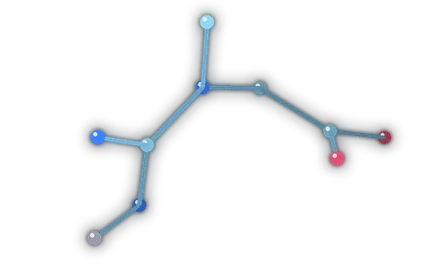
3D structure
Overview
One of the most-studied nutritional compounds. It acts as a phosphate buffer for cellular energy in muscle and brain.
Looking for research material? Simple Research Peptides lists Micronized Creatine Monohydrate Powder – 500 g for laboratory research use.
Mechanism
Buffers ATP through the creatine kinase/phosphocreatine system.
Research areas
- phosphocreatine energy system
- exercise physiology
Storage & reconstitution
Supplied as a dry powder. Keep tightly sealed, cool, dry and away from light.
Recommended starting dose (low and slow)
| Starting dose | Pending - to be added by SRP |
|---|---|
| Frequency | Pending - to be added by SRP |
| Reconstitution | Pending - to be added by SRP |
Route and timing
Route: Depends on the form; see the product details.
Timing: Pending - to be added by SRP
Cycle length and repeat
Pending - to be added by SRP
Half-life
Approximate, for Bobby's review: About 3 hours in the blood.
Side effects
Pending - to be added by SRP
Suggested bloodwork and monitoring
Draft, for Bobby's review: CBC and comprehensive metabolic panel (kidney and liver function, electrolytes) before starting and again after a few weeks.
Cautions
Pending - to be added by SRP
Reconstitution calculator
Math aid only. It converts the numbers you enter; it is not dosing advice. For research use only.
Frequently asked questions
What is Creatine Monohydrate studied for?
In research it is studied for phosphocreatine energy system and exercise physiology. Buffers ATP through the creatine kinase/phosphocreatine system.
How is Creatine Monohydrate given in research?
Depends on the form; see the product details. SRP has not yet published a frequency for this compound.
What amount should a researcher start with?
SRP has not yet published a starting dose for Creatine Monohydrate. Contact SRP before starting any research protocol, and do not guess.
Related peptides
Last updated: October 19, 2026